Introduction
There’s something quietly satisfying about waking up on a weekend morning, the kitchen still dim and quiet, except for the soft hiss of the stove. I remember the first time I managed to make scrambled eggs that actually tasted like they came from a cozy little brunch spot downtown. Honestly, I was skeptical—it seemed too good to be true that eggs could be that creamy and tender without sitting in a pan forever.
That morning, I was craving eggs but didn’t want to deal with the usual rubbery scramble I’d end up with. So, I fiddled with the heat, stirred gently, and let the eggs almost whisper their way to doneness. The result? Silky soft, rich, and just the right bit of buttery smoothness that made me pause and savor each bite. It wasn’t just breakfast; it was a small, delicious victory.
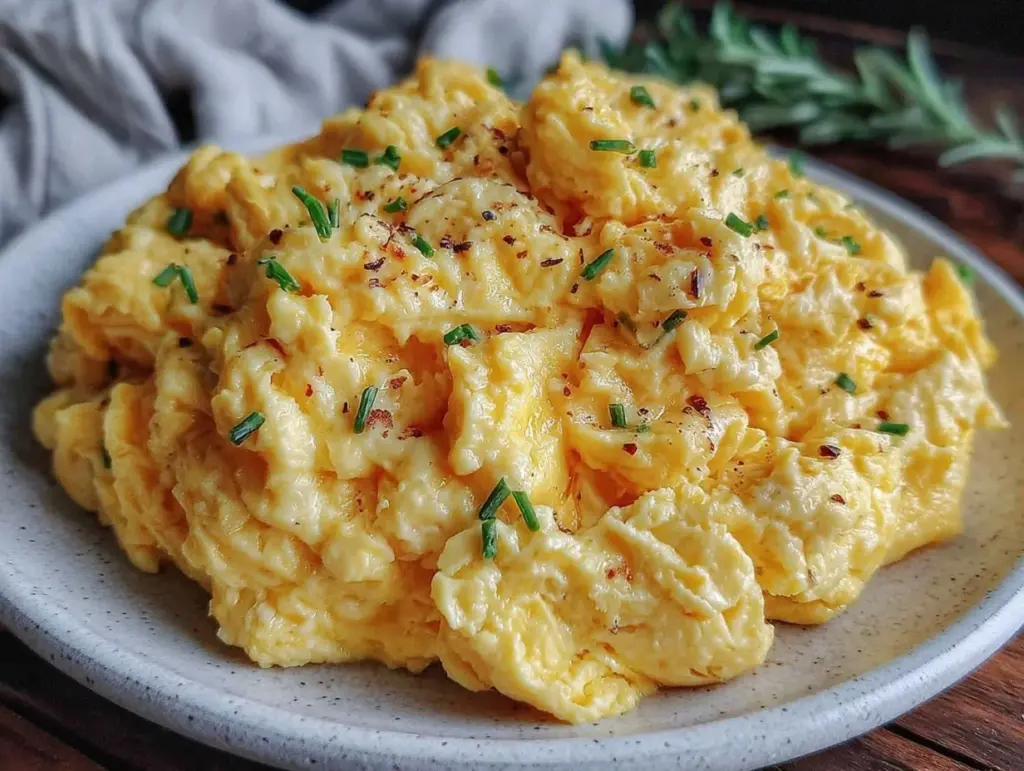
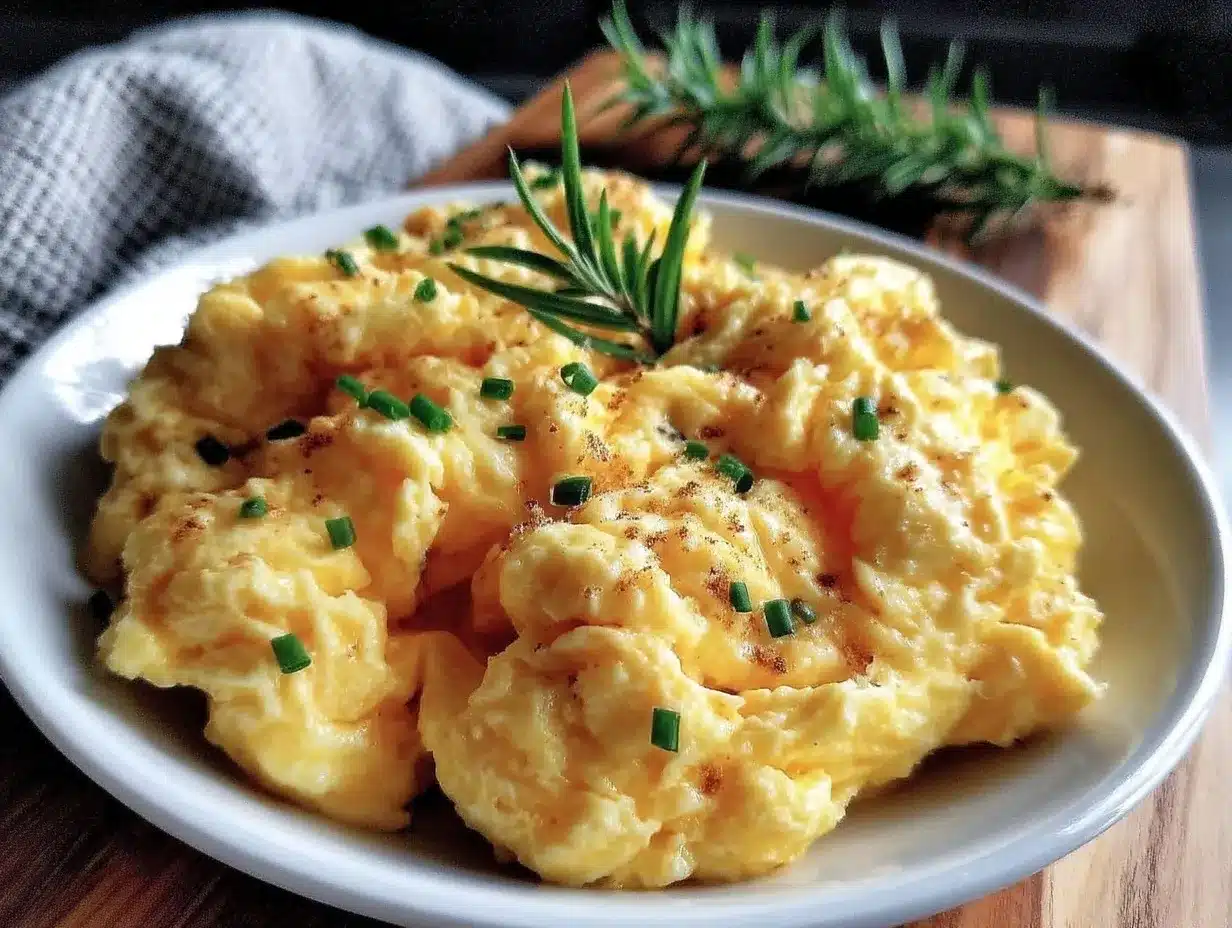
What stuck with me was how these creamy perfect scrambled eggs—restaurant style—felt like a little luxury that anyone could make at home. No fancy gadgets, no weird ingredients, just patience and the right technique. That’s why this recipe lives in my rotation now—it’s for those mornings when you want something special but simple, something that feels like a treat and tastes like it was made with care.
So, if you’ve ever wondered how restaurants get their scrambled eggs so dreamy and soft, this recipe is your quiet little secret. It’s about the slow coaxing of eggs to their perfect texture, and yeah, it’ll make your morning a bit brighter.
Why You’ll Love This Recipe
- Quick & Easy: Ready in under 10 minutes, perfect for busy mornings or lazy brunches.
- Simple Ingredients: No complicated shopping trips—just eggs, butter, salt, and cream or milk.
- Perfect for Any Occasion: Whether it’s a weekday breakfast or a weekend treat, these eggs fit right in.
- Crowd-Pleaser: Always gets nods of approval from kids, friends, and even picky eaters.
- Unbelievably Delicious: The texture is ultra-creamy and soft—nothing like the dry scrambled eggs you usually get at home.
This recipe isn’t your typical scramble; it’s the result of cooking eggs gently and patiently, mimicking the slow, careful method restaurants use. The secret? Low heat, constant stirring, and a splash of cream to keep things luscious. I’ve tested this method dozens of times, tweaking it just right so it’s foolproof. You’ll notice how the eggs come out light but rich, with a melt-in-your-mouth feel that makes breakfast feel special. Plus, it’s flexible enough to customize with herbs, cheese, or veggies if you want to get fancy.
Honestly, it’s the kind of recipe that makes you close your eyes after the first bite and appreciate the little comforts of a well-made meal.
What Ingredients You Will Need
This recipe uses simple, wholesome ingredients to deliver bold flavor and that signature creamy texture without any fuss. Most of these are pantry staples, and you can easily swap or skip a few depending on what you have around.
- Large eggs (4–6, depending on appetite; room temperature helps them cook evenly)
- Unsalted butter (2 tablespoons; adds richness and creaminess)
- Heavy cream or half-and-half (2 tablespoons; this is the secret to that silky texture. You can substitute whole milk, but cream is best)
- Salt (to taste; I prefer flaky sea salt for finishing)
- Freshly ground black pepper (optional, for seasoning at the end)
- Chives or parsley (optional, finely chopped for garnish – adds a fresh pop of color and flavor)
Ingredient tips: For the best results, I like using pasture-raised eggs—they tend to have a deeper color and richer flavor. When it comes to butter, European-style butter with higher fat content makes the eggs even creamier. If you want to try a dairy-free version, swap the butter for a neutral oil like avocado oil and use coconut cream instead of dairy cream.
Equipment Needed
- Nonstick skillet (8-inch or 10-inch recommended; helps prevent sticking and makes cleanup easier)
- Heatproof spatula or silicone spoon (for gentle stirring and folding)
- Mixing bowl (medium size, for whisking eggs)
- Whisk or fork (to beat eggs thoroughly)
- Measuring spoons (for butter and cream)
- Serving plate (warm it up slightly so eggs don’t cool too fast)
If you don’t have a nonstick pan, a well-seasoned cast iron skillet can work too, but be extra gentle when stirring. I’ve tried this recipe with various spatulas, and a flexible silicone one gives the best control without scraping the pan. For budget-friendly options, many kitchen stores offer decent nonstick pans at affordable prices—just avoid anything scratched or damaged.
Preparation Method
- Crack and whisk the eggs: Crack 4 large eggs into a mixing bowl. Add 2 tablespoons of heavy cream and a pinch of salt. Whisk vigorously until the yolks and whites are fully combined and the mixture is slightly frothy—about 30 seconds. This incorporates air, which helps the eggs stay fluffy.
- Heat your pan gently: Place your nonstick skillet over low heat and add 2 tablespoons of unsalted butter. Let it melt slowly, coating the pan evenly. You want the butter to foam but not brown, so keep the heat low to avoid overcooking.
- Pour in the eggs: Once the butter is foamy, pour in the egg mixture. Let it sit undisturbed for about 10 seconds until you see the edges just starting to set.
- Begin gentle stirring: Using a heatproof spatula, start gently stirring the eggs in small circles, pushing the cooked edges toward the center. Keep the motion slow and steady; you’re coaxing the eggs to cook evenly without scrambling them too quickly.
- Watch for texture changes: After about 1 to 2 minutes, the eggs will begin to curdle softly but still look slightly runny. This is the magic moment—stop stirring briefly to let the eggs firm up a bit, then continue folding gently.
- Remove from heat early: When the eggs are mostly set but still a little creamy and glossy, take the pan off the heat. They’ll keep cooking from residual heat, so this prevents overcooking and dryness.
- Season and serve: Taste and adjust salt as needed. Add freshly ground black pepper if you like, and sprinkle with chopped chives or parsley for a fresh touch. Serve immediately on a warm plate.
Preparation notes: Patience is key here—cooking the eggs over low heat and stirring gently makes all the difference. If the eggs start to look dry or rubbery, the heat is too high. Also, don’t rush to add the cream; it really helps with the creamy texture and slows down the cooking slightly. I usually serve these with toasted sourdough or a simple salad for a light brunch.
Cooking Tips & Techniques
One of the trickiest parts of making creamy scrambled eggs restaurant style is controlling the heat. Too high, and you get dry, curdled eggs; too low, and they take forever to cook. I learned (the hard way) that patience and gentle heat are your best friends here.
Stirring slowly and consistently helps the eggs cook evenly while keeping the texture soft. I sometimes switch between stirring and folding motions to create curds that are tender, not chunky or broken up too much.
Adding cream or half-and-half isn’t just about richness—it actually lowers the cooking temperature slightly, giving you more control. Butter adds flavor and helps keep the eggs moist. I’ve tried versions without butter, but they just don’t have that silky mouthfeel.
My personal fail: once I tried cranking up the heat to make breakfast faster, and ended up with dry eggs that looked more like rubber. Since then, I stick to low and slow, and it’s never failed me.
If you’re multitasking, keep the eggs on the stove last so you can watch them closely. They cook fast once the edges start setting, so don’t wander off. Also, remove the pan from heat just before you think they’re done—the residual heat finishes the job without overcooking.
Variations & Adaptations
- Herb and Cheese Scramble: Fold in 1/4 cup grated sharp cheddar or feta and a tablespoon of finely chopped fresh herbs like dill or tarragon just before finishing cooking.
- Veggie Boost: Sauté diced mushrooms, spinach, or cherry tomatoes in butter first, then add eggs to the pan for a heartier scramble.
- Dairy-Free Option: Swap butter for olive oil and use coconut cream instead of dairy cream, stirring gently to keep creaminess.
- Spicy Kick: Add a pinch of smoked paprika or a few drops of hot sauce into the eggs before cooking for a subtle heat.
- Seasonal Twist: In spring, try tossing in fresh peas and mint; in fall, caramelized onions and sage work beautifully.
One of my favorite personal variations is adding a dollop of crème fraîche right at the end—it melts into the eggs and adds a tangy creaminess that’s just dreamy.
Serving & Storage Suggestions
Serve these creamy perfect scrambled eggs hot, straight from the pan, for the best texture and flavor. They pair beautifully with toasted sourdough, crispy bacon, or a light arugula salad dressed simply with lemon and olive oil.
Leftovers can be stored in an airtight container in the refrigerator for up to 2 days, though honestly, scrambled eggs are best fresh. To reheat, warm gently in a microwave at 50% power or in a nonstick pan over low heat, stirring occasionally to prevent drying out.
Flavors mellow and become a bit denser when refrigerated, so adding a small splash of cream while reheating can help bring back some of that original creaminess.
Nutritional Information & Benefits
Each serving of these creamy scrambled eggs (about 2 eggs) contains roughly 180 calories, 14 grams of protein, 14 grams of fat (mostly from butter and cream), and minimal carbohydrates. Eggs are a great source of high-quality protein, rich in essential amino acids, and packed with vitamins like B12 and D.
The butter and cream add richness and fat-soluble vitamins such as A and E, which support skin and eye health. If you’re watching carbs or gluten, this recipe fits perfectly into low-carb and gluten-free diets.
Keep in mind the dairy content if you’re lactose intolerant, though the amount here is usually tolerated well by most. I appreciate this recipe as a balanced, protein-packed meal that keeps me full and satisfied well into the day.
Conclusion
This creamy perfect scrambled eggs recipe restaurant style is one of those dishes that proves simple ingredients and a little patience can make breakfast feel like a special occasion. It’s quick enough for busy mornings but rich and comforting enough to savor slowly.
Feel free to tweak the cream, herbs, or add-ins to suit your mood or pantry. Personally, I love how this recipe makes me feel like I’m treating myself without any fuss or fancy steps.
Try it once, and you might find yourself making it again and again—the kind of eggs that make mornings a little brighter and kitchens a little cozier.
Let me know how your creamy scrambled eggs turn out or what variations you loved best!
FAQs
How do I make scrambled eggs creamy like in restaurants?
Cook the eggs slowly over low heat, stirring gently and constantly. Adding a splash of cream or milk and butter also helps create that silky texture.
Can I use milk instead of cream for this recipe?
Yes, whole milk works fine but cream gives a richer, more luxurious texture. If you only have milk, add a little extra butter to boost creaminess.
Why do my scrambled eggs turn out dry or rubbery?
Usually because of high heat or overcooking. Cook the eggs over low heat and remove them from the pan when they’re slightly underdone—they’ll finish cooking off the heat.
Can I make this recipe vegan or dairy-free?
You can replace butter with oil and use coconut cream or plant-based milk for a dairy-free version, though the texture will be a bit different.
How long can I store leftover scrambled eggs?
Store in an airtight container in the fridge for up to 2 days. Reheat gently to avoid drying them out, adding a splash of cream if needed.
Pin This Recipe!
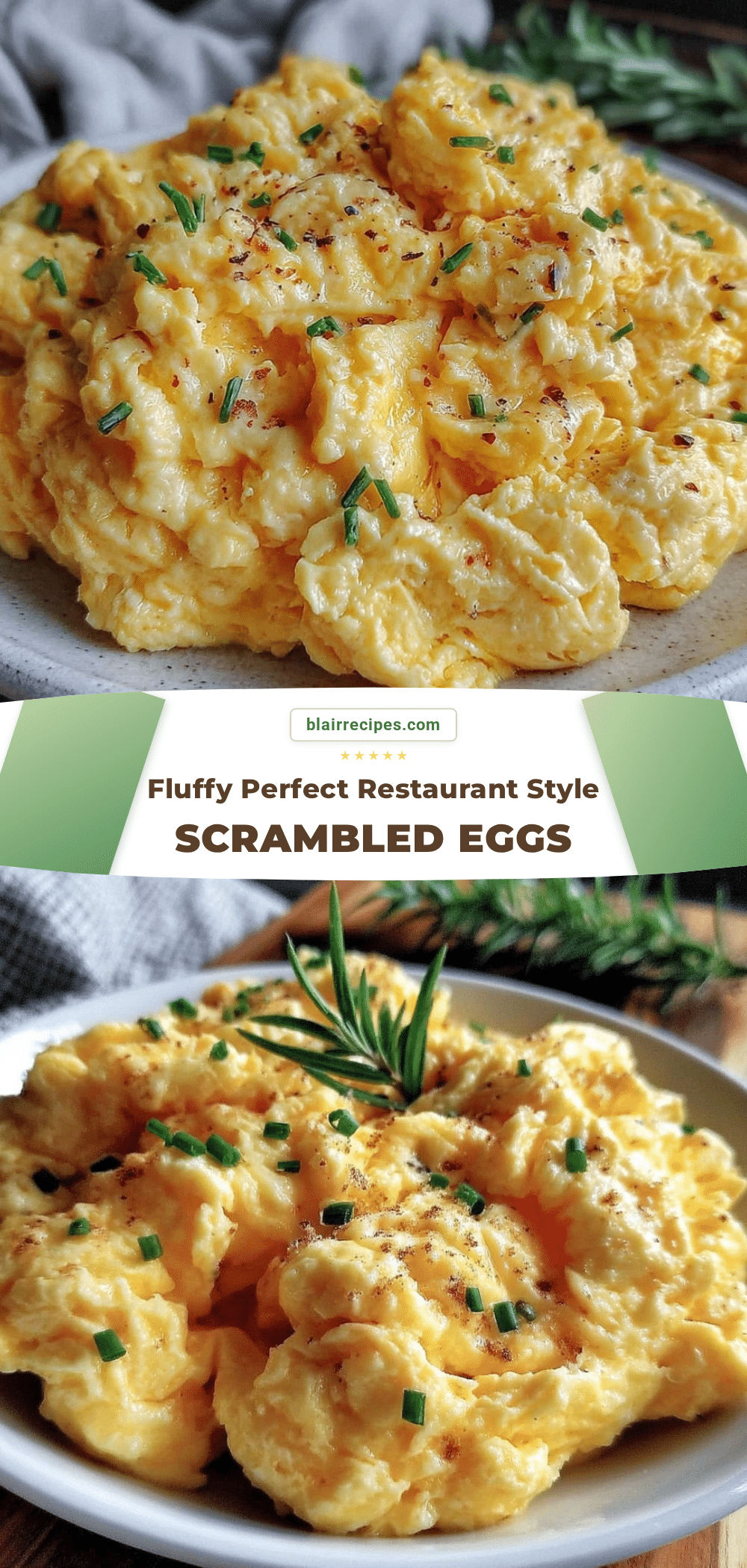
Creamy Perfect Scrambled Eggs Recipe Easy Restaurant Style at Home

This recipe teaches you how to make ultra-creamy, soft scrambled eggs just like in restaurants using simple ingredients and a slow, gentle cooking method.
- Prep Time: 5 minutes
- Cook Time: 5 minutes
- Total Time: 10 minutes
- Yield: 2 servings 1x
- Category: Breakfast
- Cuisine: American
Ingredients
- 4 large eggs (room temperature)
- 2 tablespoons unsalted butter
- 2 tablespoons heavy cream or half-and-half (can substitute whole milk)
- Salt to taste (preferably flaky sea salt)
- Freshly ground black pepper (optional)
- Chives or parsley, finely chopped (optional, for garnish)
Instructions
- Crack 4 large eggs into a mixing bowl. Add 2 tablespoons of heavy cream and a pinch of salt. Whisk vigorously until yolks and whites are fully combined and mixture is slightly frothy, about 30 seconds.
- Place a nonstick skillet over low heat and add 2 tablespoons of unsalted butter. Let it melt slowly, coating the pan evenly without browning.
- Pour in the egg mixture once the butter is foamy. Let it sit undisturbed for about 10 seconds until edges start to set.
- Using a heatproof spatula, gently stir the eggs in small circles, pushing cooked edges toward the center. Stir slowly and steadily.
- After 1 to 2 minutes, when eggs begin to curdle softly but still look slightly runny, stop stirring briefly to let eggs firm up, then continue folding gently.
- Remove the pan from heat when eggs are mostly set but still creamy and glossy. Residual heat will finish cooking.
- Season with salt and freshly ground black pepper if desired. Sprinkle with chopped chives or parsley and serve immediately on a warm plate.
Notes
Cook eggs slowly over low heat and stir gently to avoid dryness or rubbery texture. Remove from heat when slightly underdone to finish cooking with residual heat. Use cream for best texture; milk can be substituted but may reduce creaminess. For dairy-free, use oil instead of butter and coconut cream instead of dairy cream.
Nutrition
- Serving Size: About 2 eggs per ser
- Calories: 180
- Sodium: 150
- Fat: 14
- Saturated Fat: 8
- Carbohydrates: 1
- Protein: 14
Keywords: scrambled eggs, creamy scrambled eggs, restaurant style eggs, easy breakfast, brunch recipe, soft scrambled eggs