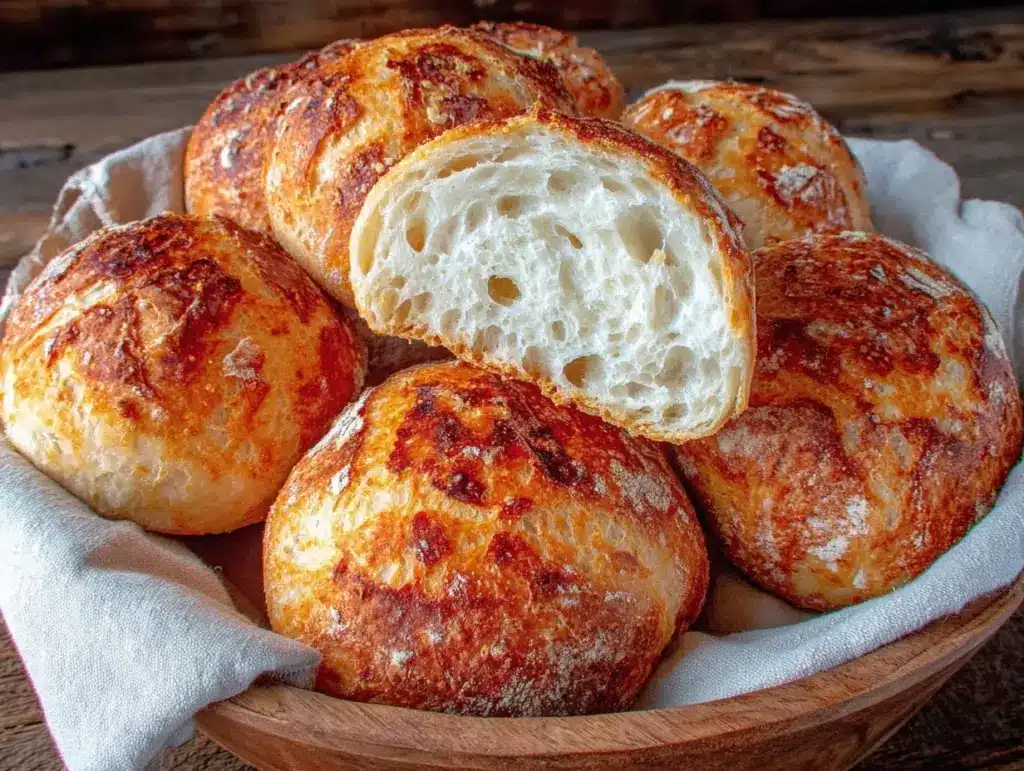
“You sure these rolls are going to turn out fluffy?” my friend asked skeptically as I pulled a tray of warm, golden-brown sourdough dinner rolls from the oven. Honestly, I wasn’t 100% sure myself the first time I tried this recipe. I’d been fiddling with sourdough bread for a while, but dinner rolls felt like a different beast—small, delicate, and demanding the perfect balance between a soft interior and a crispy crust.
That night, I had just gotten home from a long, chaotic day, craving something simple yet comforting. I’d planned to bake a loaf of sourdough but somehow ended up with these rolls instead—an accidental experiment sparked by leftover dough and an impatient craving. The smell wafting out of the oven was pure magic, and as I bit into the first roll, the light, fluffy crumb contrasted beautifully with the crackly crust. It was like biting into a warm, cloud-like hug with a little crunch to keep things interesting.
Since then, these fluffy sourdough dinner rolls with crispy crust have become my go-to whenever I want that special something to pair with dinner or just to snack on with a pat of butter. They’re straightforward enough for weeknight baking but impressive enough to bring along to a friendsgiving feast or holiday meal. My neighbor even texted me asking for the recipe after a potluck—turns out, these rolls are crowd-pleasers, no joke.
What sticks with me the most, though, is how these rolls turned a tiring day into a cozy pause. They’re simple, warm, and honestly, a little bit addictive. If you’re looking for bread that feels homemade without needing a full day of attention, these sourdough dinner rolls might just become your quiet kitchen companion too.
Why You’ll Love This Fluffy Sourdough Dinner Rolls Recipe
After months of testing and tweaking, I can confidently say this recipe nails the balance between texture, flavor, and ease. Here’s what makes these sourdough dinner rolls stand out from the crowd:
- Quick & Easy: While sourdough can often feel intimidating, this recipe comes together with simple steps and manageable rising times—perfect for busy home bakers who want great results without fuss.
- Simple Ingredients: You probably already have everything you need in your pantry—flour, sourdough starter, salt, water, and a bit of sugar. No weird additives or special flours required.
- Perfect for Every Occasion: Whether it’s a casual weeknight dinner or a festive holiday table, these rolls fit right in. They pair beautifully with dishes like the crockpot green bean casserole or a bowl of rich stew.
- Crowd-Pleaser: Kids and adults alike go nuts for these rolls. The crispy crust keeps things interesting, while the fluffy inside melts in your mouth.
- Unbelievably Delicious: The sourdough starter adds a tangy depth of flavor that you just don’t get with regular yeast rolls. Plus, the crispy crust gives a satisfying bite that makes every mouthful memorable.
What really makes this recipe different is the way the dough is handled—lightly shaped to keep the air bubbles intact, then baked in a way that encourages a crust that’s crisp but not tough. I’ve found that using a Dutch oven or covering the rolls during the first part of baking helps keep them moist inside while developing that signature crust. Plus, swapping in bread flour over all-purpose flour brings a little extra chewiness that feels just right.
These sourdough dinner rolls aren’t just bread; they’re the kind of thing you’ll find yourself making again and again, whether for a quick family dinner or a special occasion. You know that feeling when the first bite makes you close your eyes? That’s exactly why I keep this recipe in my back pocket.
What Ingredients You Will Need
This recipe uses simple, wholesome ingredients to deliver bold flavor and satisfying texture without the fuss. Most of these are pantry staples, and a few tips on selecting the right ones can make all the difference:
- Bread Flour – 3 ½ cups (420 g). Bread flour helps build a strong gluten structure, giving the rolls their fluffy yet chewy texture. I usually go with King Arthur for consistent results.
- Active Sourdough Starter – ½ cup (120 g), bubbly and fed within the last 6-8 hours. A lively starter is key for good rise and flavor.
- Warm Water – 1 cup (240 ml), around 80°F (27°C). Warm water activates the yeast and starter without cooking it.
- Salt – 1 ½ teaspoons (9 g). Use fine sea salt for even distribution.
- Sugar – 1 tablespoon (12 g). Just a touch to feed the yeast and add a subtle sweetness.
- Unsalted Butter – 3 tablespoons (45 g), melted and slightly cooled. Adds richness and helps keep the crumb tender.
- Optional Toppings: Coarse sea salt or sesame seeds for sprinkling on top before baking (adds a nice finishing touch).
If you’re short on bread flour, you can substitute with all-purpose flour, but expect a slightly softer crust. For a dairy-free version, swap melted butter with olive oil or coconut oil. During berry season, these rolls pair wonderfully with fresh fruit preserves if you want a sweet twist on the classic.
Equipment Needed
- Mixing Bowls: One large bowl for dough mixing and a smaller one for proofing.
- Dutch Oven or Covered Baking Dish: Helps trap steam during baking, critical for that crispy crust. If you don’t have one, a rimmed baking sheet with a pan of hot water on the rack below can work as a budget-friendly alternative.
- Dough Scraper: Makes handling sticky sourdough much easier—honestly, it saved me from countless kitchen disasters.
- Kitchen Scale: For accurate measurements of flour and water, which sourdough loves.
- Proofing Basket or Bowl: Lined with a well-floured towel to keep the dough from sticking during its rise.
- Oven Thermometer: Optional but helpful for keeping your oven at the perfect temperature.
I’ve tried shaping rolls on bare countertops and on parchment paper; the latter saves cleanup and helps with transferring the dough. A timer is also handy because with sourdough, rising times can be a bit unpredictable.
Preparation Method
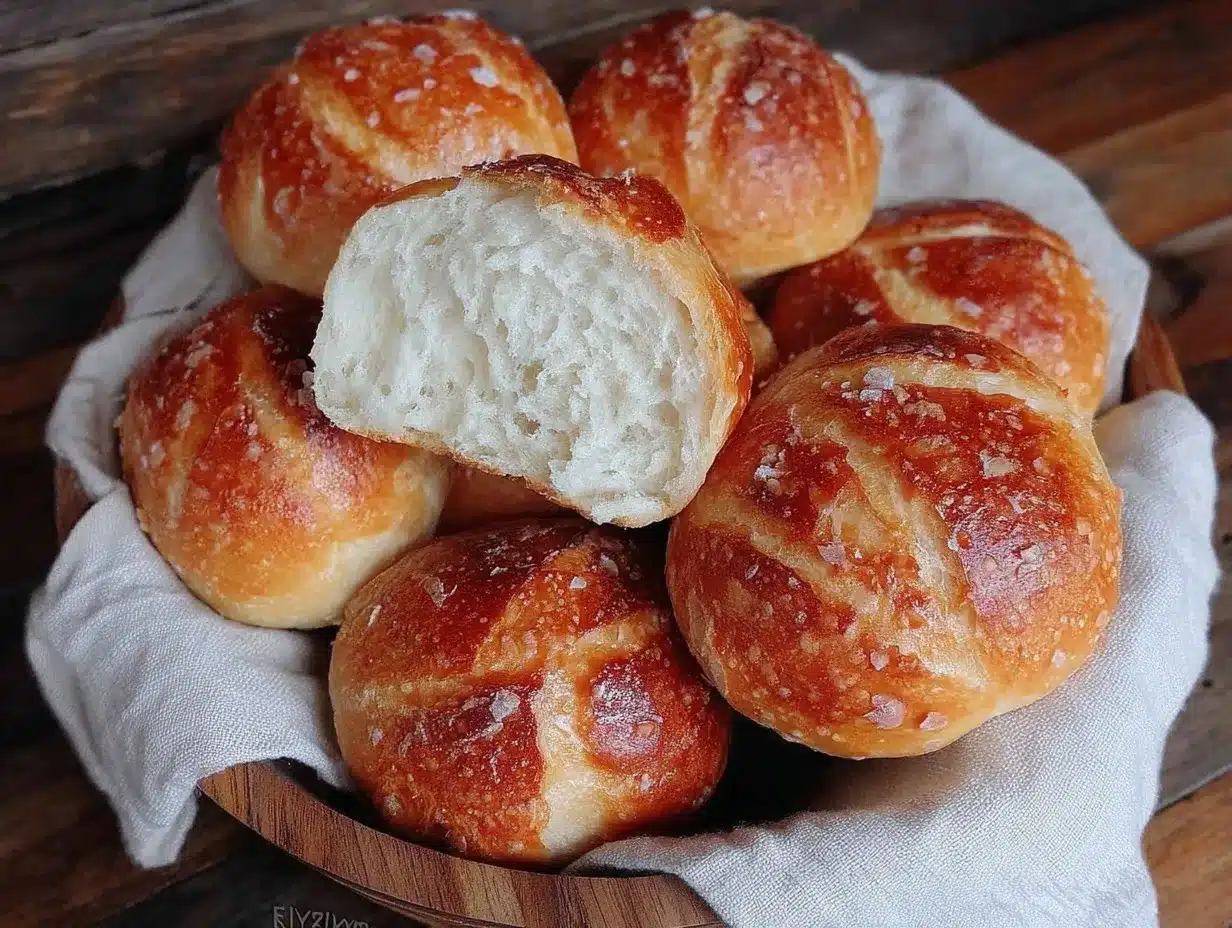
- Activate Your Starter (10 minutes): Make sure your sourdough starter is bubbly and active. Feed it 4-6 hours prior if needed. You want it lively to get a good rise.
- Mix the Dough (15 minutes): In a large bowl, combine 3 ½ cups (420 g) bread flour, 1 ½ tsp (9 g) salt, and 1 tbsp (12 g) sugar. Add ½ cup (120 g) sourdough starter and 1 cup (240 ml) warm water. Stir until just combined—don’t overmix. Add 3 tbsp (45 g) melted butter and fold gently into the dough.
- Bulk Fermentation (3-4 hours): Cover the bowl with a damp towel or plastic wrap and let the dough rise at room temperature. Every 30 minutes for the first 2 hours, perform a quick stretch and fold to develop gluten. The dough should roughly double in volume and feel airy.
- Shape the Rolls (20 minutes): Lightly flour your work surface. Turn the dough out and divide it into 12 equal portions (about 80 g or 3 oz each). Gently shape each into a tight ball, trying not to deflate the air pockets. Place them spaced evenly in a parchment-lined baking dish or Dutch oven.
- Proof the Rolls (1-2 hours): Cover loosely and let the rolls rise until puffy and nearly doubled in size. You should see a slight jiggle when you gently shake the pan.
- Preheat the Oven (20 minutes before baking): Heat your oven to 450°F (232°C). If using a Dutch oven, place it inside to heat as well.
- Bake (20-25 minutes): If using a Dutch oven, carefully place the rolls (on parchment) inside, cover with the lid, and bake for 15 minutes. Remove the lid and bake for an additional 5-10 minutes until the crust is deeply golden and crisp. If using a baking sheet, place a small pan with hot water on the bottom rack to create steam, bake rolls for 20-25 minutes until crusty.
- Cool Slightly and Serve: Transfer rolls to a wire rack to cool for at least 10 minutes. They smell heavenly right out of the oven but need a moment to set.
Pro tip: If your dough feels too sticky during shaping, sprinkle your hands lightly with flour but try not to overdo it—too much flour can make the rolls dense. Also, don’t rush the proofing steps; patience here rewards you with that perfect fluffy crumb.
Cooking Tips & Techniques
Sourdough baking can be a bit finicky, but these tips will help you get consistent, delicious rolls:
- Temperature Matters: Keeping your starter and dough at the right temperature makes a huge difference. A warmer kitchen speeds up fermentation, while cooler slows it down. I’ve found my rolls rise best around 70-75°F (21-24°C).
- Stretch and Fold: Incorporate this gentle technique during bulk fermentation to build structure without toughening the dough. It’s like giving the dough a little workout.
- Don’t Over-Shape: Handle the dough gently to preserve those precious air bubbles, which turn into lovely fluffy pockets.
- Steam is Key: Creating steam in the oven during the first part of baking helps develop that crisp crust. If you don’t have a Dutch oven, try placing a cast iron skillet or oven-safe dish with boiling water on the oven floor.
- Watch the Crust Color: Pull the rolls out as soon as they reach a deep golden brown. Too dark, and they can get bitter or too hard.
My first few batches were dense and heavy because I rushed proofing or overfloured the dough. The lesson? Slow down, trust the process, and keep notes—you’ll get better every time.
Variations & Adaptations
These sourdough dinner rolls are pretty versatile, and you can tweak them to suit your mood, dietary needs, or the season:
- Garlic Herb Rolls: Add 1 teaspoon garlic powder and 2 tablespoons chopped fresh herbs like rosemary or thyme into the dough. Brush tops with garlic butter before baking for an aromatic twist.
- Whole Wheat Blend: Substitute up to half the bread flour with whole wheat flour for a nuttier flavor and heartier crumb. Expect longer proofing times as whole wheat absorbs more water.
- Gluten-Free Version: Use a gluten-free sourdough starter and a blend of gluten-free flours like rice and tapioca flour. Note that texture will be different, but still tasty.
- Sweet Cinnamon Rolls: Roll the dough out, sprinkle with cinnamon and sugar, then roll up and slice before proofing for a quick cinnamon roll upgrade.
Personally, I love making these rolls with a sprinkle of coarse sea salt on top and serving them alongside sautéed green beans with lemon zest. It’s a combo that never fails to impress.
Serving & Storage Suggestions
Serve these fluffy sourdough dinner rolls warm with butter—honestly, that’s the best way to enjoy them. They make a fantastic side for roasts, soups, or hearty casseroles like the green bean casserole that’s a family favorite in my house.
To store, place cooled rolls in an airtight container or resealable bag at room temperature for up to 2 days. For longer storage, freeze the rolls wrapped tightly in foil or plastic wrap for up to 3 months. When ready to eat, thaw at room temperature and warm in a 350°F (175°C) oven for 5-10 minutes to refresh the crust.
Flavors actually deepen after a day or two, so if you’re not in a rush, letting the rolls rest wrapped overnight can make them taste even better the next day.
Nutritional Information & Benefits
Each roll (based on 12 servings) contains approximately 150 calories, 3 grams of fat, 28 grams of carbohydrates, and 5 grams of protein. The sourdough fermentation process helps break down gluten and phytic acid, making these rolls easier to digest than typical bread.
The inclusion of whole ingredients like bread flour and natural starter also means you’re getting a modest amount of B vitamins and minerals. If you opt for whole wheat flour, you’ll boost fiber content further.
These rolls are naturally free from additives and preservatives, perfect for those seeking a wholesome homemade bread that pairs well with a balanced meal.
Conclusion
Fluffy sourdough dinner rolls with crispy crust aren’t just a side dish—they’re little bites of comfort that add richness to any meal. Whether you’re winding down after a hectic day or setting an inviting table for guests, these rolls bring a homemade touch that feels both effortless and special.
The recipe’s flexibility means you can make it your own, adjusting the flavor or flour blend to suit your kitchen whims. I love that they come together with simple ingredients yet deliver something that feels truly next-level.
Give these rolls a try and let me know how they turn out! Share your favorite pairings or any tweaks you’ve made—I’m always excited to hear about new ways to enjoy this recipe. Here’s to many cozy meals with a basket of warm, crusty rolls on the side.
Frequently Asked Questions About Fluffy Sourdough Dinner Rolls
How long does it take to make sourdough dinner rolls?
The process takes about 4-6 hours total, including dough mixing, bulk fermentation, shaping, proofing, and baking. Most of this time is hands-off, perfect for multitasking.
Can I use all-purpose flour instead of bread flour?
Yes, but the rolls might be slightly less chewy and have a softer crust. Bread flour gives better gluten development for a fluffier texture.
What if my sourdough starter isn’t very active?
Feed your starter 4-6 hours before baking with equal parts flour and water. Use the bubbly, risen starter for best results. If it’s sluggish, you can add a pinch of commercial yeast to boost rise.
Can I freeze these rolls?
Absolutely! Freeze cooled rolls wrapped tightly in foil or plastic wrap. Reheat in the oven at 350°F (175°C) for 5-10 minutes to restore crispness.
How do I get a crispy crust on sourdough rolls?
Use steam during the first 10-15 minutes of baking by covering the rolls or placing a pan of water in the oven. Baking in a Dutch oven traps moisture and helps develop the crust.
Pin This Recipe!

Fluffy Sourdough Dinner Rolls

These fluffy sourdough dinner rolls feature a soft interior with a crispy crust, perfect for any occasion from weeknight dinners to holiday feasts. Made with simple ingredients and an easy method, they deliver a homemade touch without the fuss.
- Prep Time: 25 minutes
- Cook Time: 20-25 minutes
- Total Time: 4-6 hours
- Yield: 12 rolls 1x
- Category: Bread
- Cuisine: American
Ingredients
- 3 ½ cups (420 g) bread flour
- ½ cup (120 g) active sourdough starter, bubbly and fed within the last 6-8 hours
- 1 cup (240 ml) warm water, around 80°F (27°C)
- 1 ½ teaspoons (9 g) fine sea salt
- 1 tablespoon (12 g) sugar
- 3 tablespoons (45 g) unsalted butter, melted and slightly cooled
- Optional toppings: coarse sea salt or sesame seeds for sprinkling
Instructions
- Activate your starter: Ensure your sourdough starter is bubbly and active. Feed it 4-6 hours prior if needed.
- Mix the dough: In a large bowl, combine bread flour, salt, and sugar. Add sourdough starter and warm water. Stir until just combined. Add melted butter and fold gently into the dough.
- Bulk fermentation: Cover the bowl and let the dough rise at room temperature for 3-4 hours. Every 30 minutes for the first 2 hours, perform a quick stretch and fold.
- Shape the rolls: Lightly flour your work surface. Divide dough into 12 equal portions (~3 oz each). Shape each into a tight ball and place spaced evenly in a parchment-lined baking dish or Dutch oven.
- Proof the rolls: Cover loosely and let rise for 1-2 hours until puffy and nearly doubled in size.
- Preheat the oven: Heat oven to 450°F (232°C). If using a Dutch oven, place it inside to heat.
- Bake: If using a Dutch oven, place rolls inside on parchment, cover, and bake for 15 minutes. Remove lid and bake an additional 5-10 minutes until crust is golden and crisp. If using a baking sheet, place a pan of hot water on the bottom rack to create steam and bake rolls for 20-25 minutes.
- Cool and serve: Transfer rolls to a wire rack and cool for at least 10 minutes before serving.
Notes
Use a Dutch oven or cover rolls during the first part of baking to trap steam and develop a crispy crust. Handle dough gently to preserve air bubbles. If dough is sticky during shaping, lightly flour hands but avoid over-flouring to keep rolls light. Let rolls rest overnight wrapped for deeper flavor. For dairy-free, substitute butter with olive or coconut oil. Bread flour is preferred for chewiness but all-purpose flour can be used with a softer crust.
Nutrition
- Serving Size: 1 roll
- Calories: 150
- Fat: 3
- Carbohydrates: 28
- Protein: 5
Keywords: sourdough dinner rolls, fluffy rolls, crispy crust bread, homemade sourdough, easy bread recipe, sourdough bread rolls