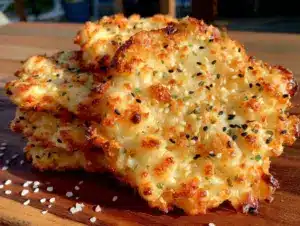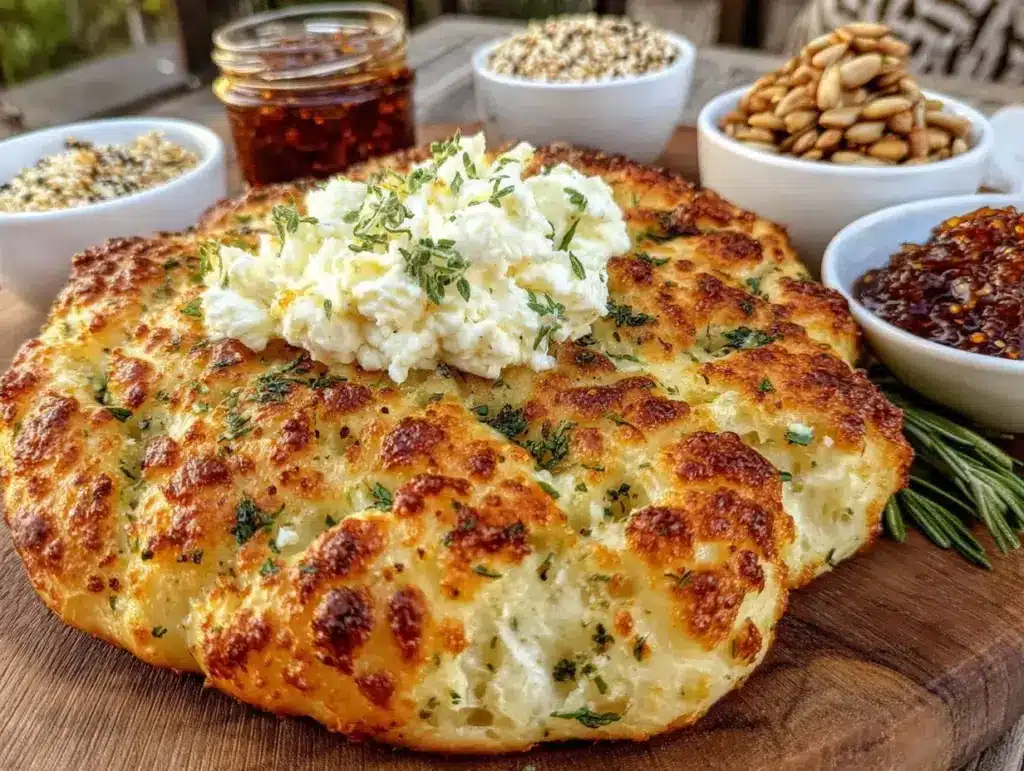
“You’re seriously telling me to toss this?” I remember looking skeptically at the jar of sourdough discard sitting on the counter, the remnants of my latest starter feed. Baking sourdough bread was this magical ritual I’d finally nailed, but the discard? It always seemed like the sad leftover nobody wanted. Then one evening, after a long day juggling work and kids, I decided to try making flatbreads with that discard instead of letting it go to waste. Honestly, it was like a little kitchen epiphany.
The dough came together quickly, and as it hit the hot skillet, the smell transported me somewhere cozy and warm. These easy sourdough discard flatbreads turned out crispy on the edges, chewy in the middle, and just downright addictive. They weren’t just a way to save the discard—they became my go-to quick snack and a surprise hit with everyone at the dinner table. What started as a “throwaway” ingredient quickly became a staple in my kitchen, proving that sometimes the best recipes come from the simplest ideas.
There’s something quietly satisfying about taking what would’ve been wasted and turning it into something delicious and comforting. This recipe stuck with me not just because of how tasty it is, but because it feels a little like a secret weapon for busy nights or unexpected guests. No fuss, no fancy ingredients. Just good food that feels like it’s always been part of the family.
Why You’ll Love This Recipe
After testing and tweaking this sourdough discard flatbread recipe through numerous batches (more than I care to admit), I’m convinced it’s one of those rare gems that hits all the right notes. Here’s why it deserves a permanent spot in your recipe box:
- Quick & Easy: The dough comes together in under 15 minutes, and cook time is just a few minutes per flatbread—perfect for those busy evenings when you want something tasty without the wait.
- Simple Ingredients: No need for fancy flours or specialty items. Basic pantry staples like flour, sourdough discard, olive oil, and salt do the trick beautifully.
- Perfect for Snacks or Meals: Whether you’re craving a quick snack, need a base for toppings, or want an easy side to complement dinner, these flatbreads fit the bill.
- Crowd-Pleaser: Family, friends, even picky eaters—everyone seems to love the chewy texture and subtle tang from the sourdough discard.
- Unbelievably Delicious: The slight sour note from the discard gives these flatbreads a depth of flavor you won’t find in regular flatbreads.
What really sets this recipe apart is the way it respects the sourdough discard’s flavor without overpowering it. By keeping the mix simple and focusing on the right cooking technique, you get a flatbread that’s crisp on the outside and tender inside. Plus, this recipe feels like a little kitchen win, turning something that often feels like waste into something worth savoring.
If you enjoy dishes with sourdough’s character but don’t have time for long fermentations, this is your shortcut. And if you’re looking for a versatile base, you might find it pairs wonderfully with dishes like honey roasted butternut squash or a fresh green bean side like sautéed green beans with lemon zest. It’s a kitchen staple that feels special every time.
What Ingredients You Will Need
This recipe uses simple, wholesome ingredients to deliver bold flavor and satisfying texture without the fuss. Most are pantry staples, and if you keep a sourdough starter, you already have the star ingredient waiting!
- Sourdough discard (100g / 3.5 oz): Unfed or discard from your starter; this adds a lovely tang and moisture.
- All-purpose flour (150g / 1 1/4 cups): Use a trusted brand like King Arthur for consistent results.
- Water (60ml / 1/4 cup), lukewarm: Helps bring the dough together; adjust slightly if needed.
- Olive oil (1 tbsp): Adds richness and helps with browning.
- Salt (1/2 tsp): Balances flavor; sea salt or kosher salt works well.
- Optional herbs or spices: Dried oregano, garlic powder, or chili flakes for flavor twists.
If you prefer gluten-free, try swapping the all-purpose flour with a gluten-free blend (just make sure it’s suitable for baking). For a dairy-free version, this recipe is already naturally free of dairy, so you’re good to go.
Feel free to experiment with adding fresh herbs or seeds like sesame or nigella on top before cooking—that’s a personal favorite for some extra flair.
Equipment Needed
- Mixing bowl: A medium-sized bowl for combining the dough ingredients.
- Measuring cups and spoons: Accuracy helps keep the dough consistent, but a kitchen scale is even better.
- Rolling pin or your hands: You can roll the dough out or stretch it by hand for a rustic look.
- Non-stick skillet or cast iron pan: A heavy skillet like cast iron works best to get that perfect golden crust. If you don’t have cast iron, a good non-stick pan will do.
- Spatula or tongs: For flipping the flatbreads safely.
I used a well-seasoned cast iron skillet for the best results. It holds heat evenly, giving those irresistible brown spots and a bit of char. If you don’t have one yet, a budget-friendly option like an enameled pan or heavy non-stick skillet works just fine. Just make sure it’s hot before adding the dough!
Preparation Method
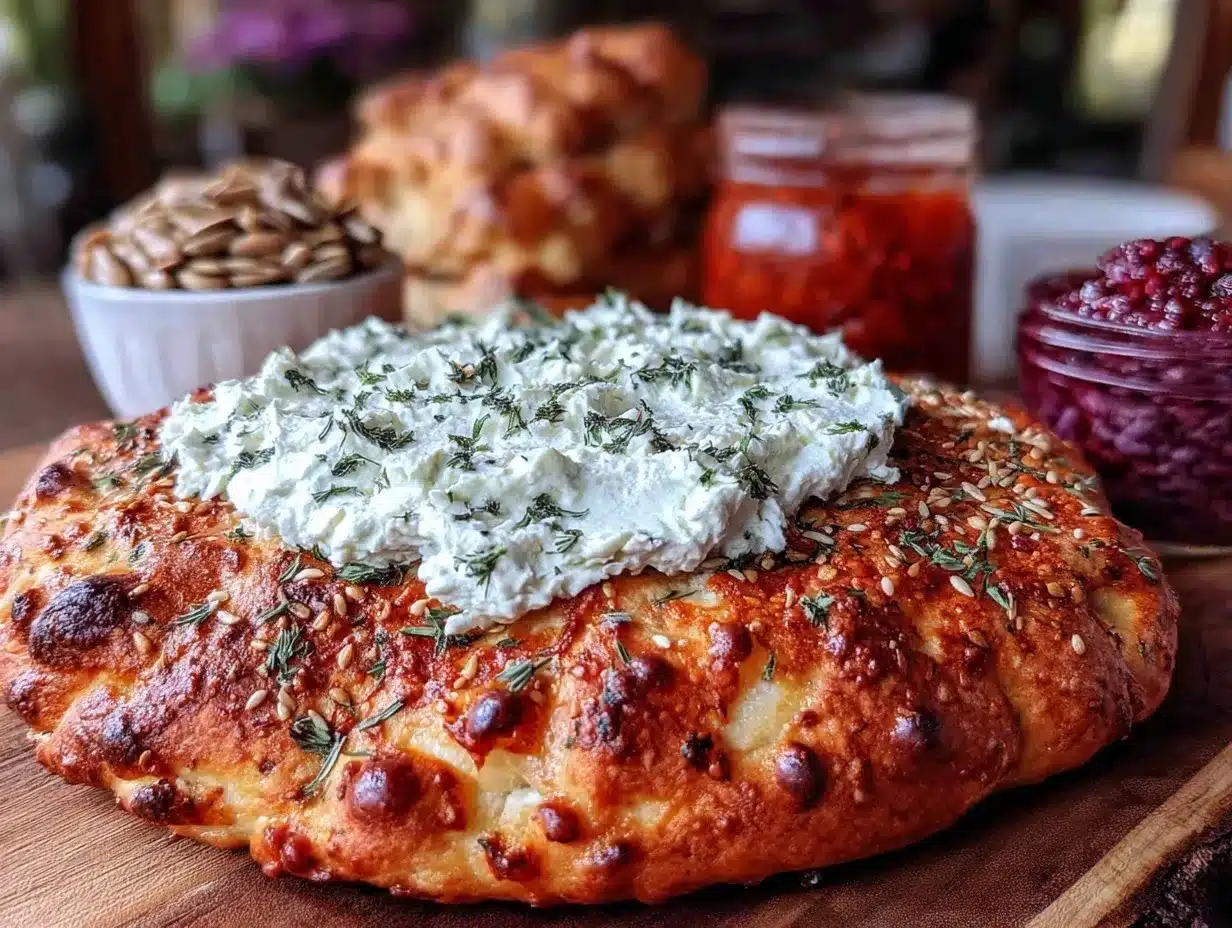
- Combine ingredients: In your mixing bowl, add 100g (3.5 oz) of sourdough discard, 150g (1 1/4 cups) all-purpose flour, 60ml (1/4 cup) lukewarm water, 1 tablespoon olive oil, and 1/2 teaspoon salt. Stir together with a wooden spoon or your hands until a shaggy dough forms. (About 5 minutes)
- Knead the dough: Lightly flour your work surface and knead the dough for about 5-7 minutes until smooth and elastic. If it feels too sticky, sprinkle a bit more flour but keep it slightly tacky for tenderness.
- Rest the dough: Cover the dough with a damp towel or plastic wrap and let it rest at room temperature for 20-30 minutes. This resting period hydrates the flour and makes rolling easier.
- Divide and shape: After resting, divide the dough into 4 equal portions. Roll or pat each portion into a roughly 6-7 inch (15-18 cm) round, about 1/8 inch (3 mm) thick. If you want, sprinkle herbs or seeds on top and gently press them in.
- Heat your skillet: Place your cast iron or non-stick skillet on medium-high heat and let it get hot (about 3-5 minutes). You can test by flicking a drop of water—it should sizzle immediately.
- Cook flatbreads: Place one flatbread in the skillet. Cook for about 2 minutes until you see bubbles forming and the bottom has golden brown spots. Flip and cook the other side for another 1-2 minutes. Adjust heat if it browns too fast or too slow.
- Repeat and serve: Continue with remaining dough balls. Stack cooked flatbreads on a plate and cover with a clean towel to keep warm.
Pro tip: If your flatbreads puff up too much, gently press them down with your spatula to get even cooking. And don’t rush the skillet heating—hot pan equals better crust!
Cooking Tips & Techniques
Getting these sourdough discard flatbreads just right can feel a bit like a dance, but here are some tips I’ve picked up from trial and some amusing kitchen mishaps:
- Don’t skip the resting step: I once tried skipping the dough rest to save time, and the flatbreads turned out stiff and tough. The 20-30 minute rest relaxes the gluten and makes the dough easier to work with.
- Watch your heat: Too hot, and you risk burning the flatbread before the inside cooks; too low, and you won’t get that nice crust. Medium-high heat with a well-seasoned pan is the sweet spot.
- Flour your surface lightly: Over-flouring can dry the dough out, so just dust enough to keep it from sticking.
- Use your hands for shaping if you like a rustic look: Rolling pins are great, but I often pat and stretch with my fingertips for uneven edges that crisp up beautifully.
- Experiment with toppings right before cooking: A sprinkle of garlic powder, za’atar, or fresh rosemary can add a punch of flavor.
Once, I left the skillet too hot and ended up with a flatbread that looked more like a crispy cracker—still delicious, but not what I was going for. Those little mistakes taught me to keep an eye on the process and trust my senses. The smell of toasting dough, the sight of bubbles, and the feel of the dough’s elasticity all guide you to success.
Variations & Adaptations
One of the best things about these flatbreads is how flexible they are. Here are a few ways you can switch things up:
- Herb & Garlic Flatbread: Add minced garlic and chopped fresh herbs like rosemary or thyme to the dough before resting for an aromatic boost.
- Spiced Flatbread: Incorporate chili flakes, cumin, or smoked paprika for a spicy kick—perfect for pairing with dips or grilled veggies.
- Gluten-Free Version: Substitute all-purpose flour with a gluten-free baking mix, adding a little xanthan gum if your blend doesn’t contain it. You might need to adjust water slightly for consistency.
- Cheese-Topped Flatbread: Sprinkle grated mozzarella or parmesan on top just before flipping in the pan to add melty, savory goodness.
- Stuffed Flatbreads: Try folding in fillings like sautéed mushrooms or caramelized onions (like those in the green beans with caramelized shallots and mushrooms recipe) before cooking for a hearty twist.
I once made a batch with za’atar and feta crumbles, which turned into an unexpected party favorite. The key is to keep the dough flexible enough to handle add-ins without tearing.
Serving & Storage Suggestions
These flatbreads are best served warm, straight off the skillet. They make a fantastic base for quick toppings—think smashed avocado, a drizzle of olive oil and sea salt, or a smear of hummus.
For a more substantial meal, pair them with slow-cooked dishes or roasted veggies. They complement sides like the crockpot green bean casserole beautifully, balancing creamy and crunchy textures.
To store, wrap cooled flatbreads tightly in plastic wrap or foil and keep in the fridge for up to 3 days. Reheat in a dry skillet over medium heat for a minute or two on each side to regain crispness. You can also freeze them between parchment paper sheets in an airtight container for up to 2 months—just thaw and reheat when ready.
Flavors tend to mellow and develop after resting a few hours, so if you have leftovers, try warming them up and adding fresh toppings for a tasty snack later.
Nutritional Information & Benefits
Here’s a rough estimate per flatbread (makes 4):
| Nutrient | Amount |
|---|---|
| Calories | 140-160 kcal |
| Carbohydrates | 28g |
| Protein | 4g |
| Fat | 3g (mostly from olive oil) |
| Fiber | 1-2g |
The sourdough discard adds a slight tang and may aid digestion due to natural fermentation byproducts, although the discard itself hasn’t fully fermented like mature starter. Using olive oil introduces heart-healthy fats, and with simple ingredients, this flatbread is a modestly nourishing snack or side.
For those watching gluten, swapping to a gluten-free flour blend is a straightforward option. This recipe is naturally dairy-free and can be easily adapted for vegan diets.
Conclusion
Making these easy sourdough discard flatbreads has been a delightful way to transform what might otherwise be kitchen waste into something genuinely tasty and satisfying. They’re quick, approachable, and flexible enough to suit a bunch of different occasions or flavor preferences.
Whether you’re a sourdough enthusiast looking for creative uses or simply want a quick homemade snack, this recipe is a keeper. I love how it turns a simple discard into a cozy treat that feels like it belongs at any meal. I hope you’ll enjoy making (and eating) these as much as I do.
Give them a try, play around with flavors, and please share how you customize your flatbreads—I’m always curious to hear your twists and tips!
Frequently Asked Questions
Can I use sourdough starter instead of discard for this recipe?
Yes, you can use active starter, but keep in mind the dough may be more bubbly and could require slightly less water since active starter has more hydration.
What if I don’t have olive oil? Can I substitute it?
Certainly! You can use other neutral oils like avocado or vegetable oil. Butter or ghee also work but may change the flavor and texture slightly.
How thin should I roll the flatbreads?
About 1/8 inch (3 mm) thick is ideal. Thinner will crisp up more, thicker will be chewier and softer inside.
Can I bake these flatbreads instead of cooking on the stove?
Yes, you can bake at 450°F (230°C) on a preheated baking stone or sheet for about 6-8 minutes. They won’t get the same skillet-char but will still be delicious.
How long does the dough keep if I want to make it ahead?
You can refrigerate the dough for up to 24 hours after mixing. Bring it back to room temperature before shaping and cooking.
Pin This Recipe!
Easy Sourdough Discard Flatbread Recipes Perfect for Quick Snacks

These easy sourdough discard flatbreads are quick to make, crispy on the edges, chewy in the middle, and perfect for snacks or meals. They transform sourdough discard into a delicious, versatile flatbread with simple pantry ingredients.
- Prep Time: 15 minutes
- Cook Time: 10 minutes
- Total Time: 25 minutes
- Yield: 4 servings 1x
- Category: Snack
- Cuisine: American
Ingredients
- 100g (3.5 oz) sourdough discard
- 150g (1 1/4 cups) all-purpose flour
- 60ml (1/4 cup) lukewarm water
- 1 tablespoon olive oil
- 1/2 teaspoon salt
- Optional herbs or spices: dried oregano, garlic powder, chili flakes
Instructions
- Combine 100g sourdough discard, 150g all-purpose flour, 60ml lukewarm water, 1 tablespoon olive oil, and 1/2 teaspoon salt in a mixing bowl. Stir until a shaggy dough forms (about 5 minutes).
- Lightly flour your work surface and knead the dough for 5-7 minutes until smooth and elastic. Add a little more flour if too sticky but keep slightly tacky.
- Cover the dough with a damp towel or plastic wrap and let rest at room temperature for 20-30 minutes.
- Divide the dough into 4 equal portions. Roll or pat each into a 6-7 inch (15-18 cm) round about 1/8 inch (3 mm) thick. Optionally sprinkle herbs or seeds on top and press gently.
- Heat a cast iron or non-stick skillet over medium-high heat for 3-5 minutes until hot.
- Cook one flatbread in the skillet for about 2 minutes until bubbles form and bottom is golden brown. Flip and cook the other side for 1-2 minutes. Adjust heat as needed.
- Repeat with remaining dough portions. Stack cooked flatbreads on a plate and cover with a clean towel to keep warm.
Notes
Do not skip the resting step to keep dough tender. Heat skillet well before cooking for best crust. If flatbreads puff too much, gently press down with spatula. Experiment with herbs, spices, or seeds on top before cooking. For gluten-free, substitute flour with gluten-free blend and adjust water as needed.
Nutrition
- Serving Size: 1 flatbread
- Calories: 140160
- Sugar: 0.5
- Sodium: 300
- Fat: 3
- Saturated Fat: 0.4
- Carbohydrates: 28
- Fiber: 1.5
- Protein: 4
Keywords: sourdough discard, flatbread, quick snack, easy recipe, sourdough, no waste, skillet flatbread, simple ingredients