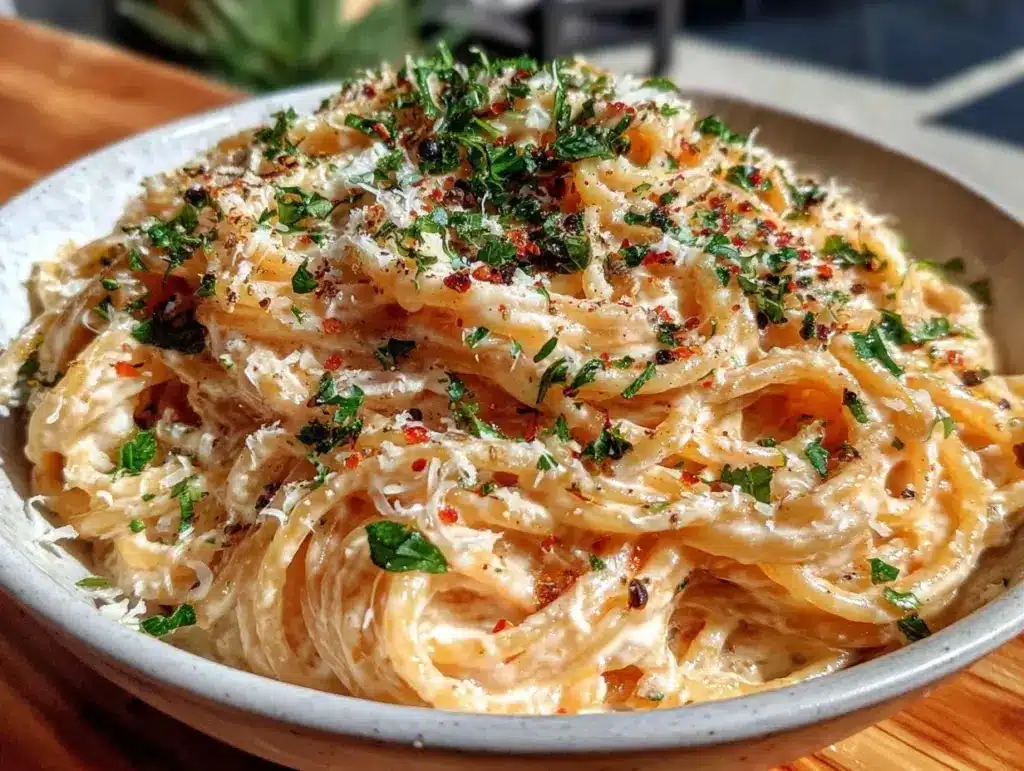
“Are you sure that’s all you’re making?” my roommate asked, eyeing the pot on the stove with mild skepticism. Honestly, I was a bit skeptical myself. I’d been craving something simple, something that didn’t require a dozen ingredients or a complicated ritual. So there I was, in the quiet hum of a late-night kitchen, tossing pasta with a heap of freshly cracked black pepper and a generous handful of Pecorino Romano. I remember thinking, “This can’t possibly turn out creamy without cream.” But that’s the magic of creamy cacio e pepe with fresh cracked pepper. It’s humble yet satisfying, with just a few pantry staples coming together to create this silky, peppery sauce that clings to every strand of spaghetti like a dream.
That night became a bit of an obsession. I made this recipe three times that week — each time tweaking the pepper quantity, testing different types of Pecorino, and savoring how the simple ingredients morphed into a comforting dinner that felt like a warm hug. The fresh cracked pepper isn’t just a seasoning here; it’s the star that gives this dish its soul. And, well, there’s something quietly satisfying about mastering a dish that’s deceptively simple but endlessly rewarding. This recipe stuck with me because it proves you don’t need fancy or complicated to make something memorable on a weeknight.
Why You’ll Love This Creamy Cacio e Pepe Recipe
Having cooked this dish countless times, I can confidently say it’s a game-changer for anyone who loves quick, flavorful pasta without fuss. Here’s why this creamy cacio e pepe recipe deserves a spot in your rotation:
- Quick & Easy: Ready in under 20 minutes, perfect for those busy evenings when you want something comforting but don’t have hours to spend in the kitchen.
- Simple Ingredients: Uses just pasta, Pecorino Romano, freshly cracked black pepper, and a little pasta water—no cream, no butter, no fuss. Chances are, you already have everything on hand.
- Perfect for Weeknight Dinners: Whether you’re cooking solo or feeding a small crowd, this dish scales effortlessly and feels special without the stress.
- Crowd-Pleaser: The pepper’s bold kick combined with the creamy cheese sauce gets rave reviews from even the pickiest eaters (yes, kids too, if you go easy on the pepper).
- Unbelievably Delicious: The sauce is luxuriously creamy, thanks to the technique of using starchy pasta water and freshly grated cheese, creating a texture that coats every bite.
What sets this recipe apart is the emphasis on fresh cracked pepper—not just ground pepper. The pepper’s aroma and subtle heat build layer upon layer of flavor, making this cacio e pepe far from ordinary. Plus, the technique of tempering the cheese with pasta water ensures a smooth, velvety sauce instead of clumps or dryness. It’s comfort food that feels effortless but tastes like you’ve spent hours crafting it. This is the kind of dish that makes you want to close your eyes after the first bite and just savor the moment.
What Ingredients You Will Need for Creamy Cacio e Pepe with Fresh Cracked Pepper
This recipe uses simple, wholesome ingredients to deliver bold flavor and a satisfying texture without the fuss. Most of these are pantry staples, and you can easily swap a few if needed.
- Spaghetti or Tonnarelli Pasta – 12 ounces (340 grams); traditional choices for cacio e pepe. I prefer De Cecco for its firm texture.
- Pecorino Romano Cheese – 1 ½ cups, finely grated (about 5 ounces or 140 grams); sharp and salty, this is the heart of the sauce. Look for a block to grate fresh rather than pre-shredded.
- Freshly Cracked Black Pepper – 2 tablespoons (adjust to taste); use a pepper mill or crush peppercorns coarsely for maximum aroma and flavor.
- Pasta Water – About 1 cup (240 ml), reserved from cooking the pasta; the starch in the water creates the creamy sauce without cream or butter.
- Salt – For pasta water; be generous but not excessive to season the pasta properly.
Optional substitutions and tips:
- Use gluten-free pasta if needed; just be sure to reserve enough pasta water to help the sauce bind properly.
- If Pecorino Romano isn’t available, a mix of Parmesan and Pecorino can work, but Pecorino’s tang is what makes this special.
- For a dairy-free twist, try vegan hard cheese alternatives and a little nutritional yeast, though it won’t be quite the same.
- In warmer months, serve with a fresh green salad or a side like sautéed green beans with lemon zest and pine nuts to brighten the meal.
Equipment Needed
- Large Pot – For boiling the pasta; a heavy-bottomed pot helps maintain consistent heat.
- Large Skillet or Wide Pan – To toss the pasta with cheese and pepper; a wide pan lets you stir and emulsify the sauce evenly.
- Fine Grater or Microplane – For grating Pecorino Romano cheese finely; this is key to melting the cheese smoothly.
- Pepper Mill or Mortar and Pestle – For freshly cracking black peppercorns; freshly cracked pepper truly makes a difference here.
- Ladle – To scoop pasta water gradually into the sauce for that perfect creamy texture.
If you don’t have a microplane, a fine box grater works well. For cracking peppercorns, a mortar and pestle gives you control over coarseness, but a good-quality pepper mill is a great investment for all kinds of cooking. I’ve found that using a wide skillet rather than a deep pot helps prevent the cheese from clumping when mixing—it’s all about even heat distribution and gentle stirring.
Preparation Method
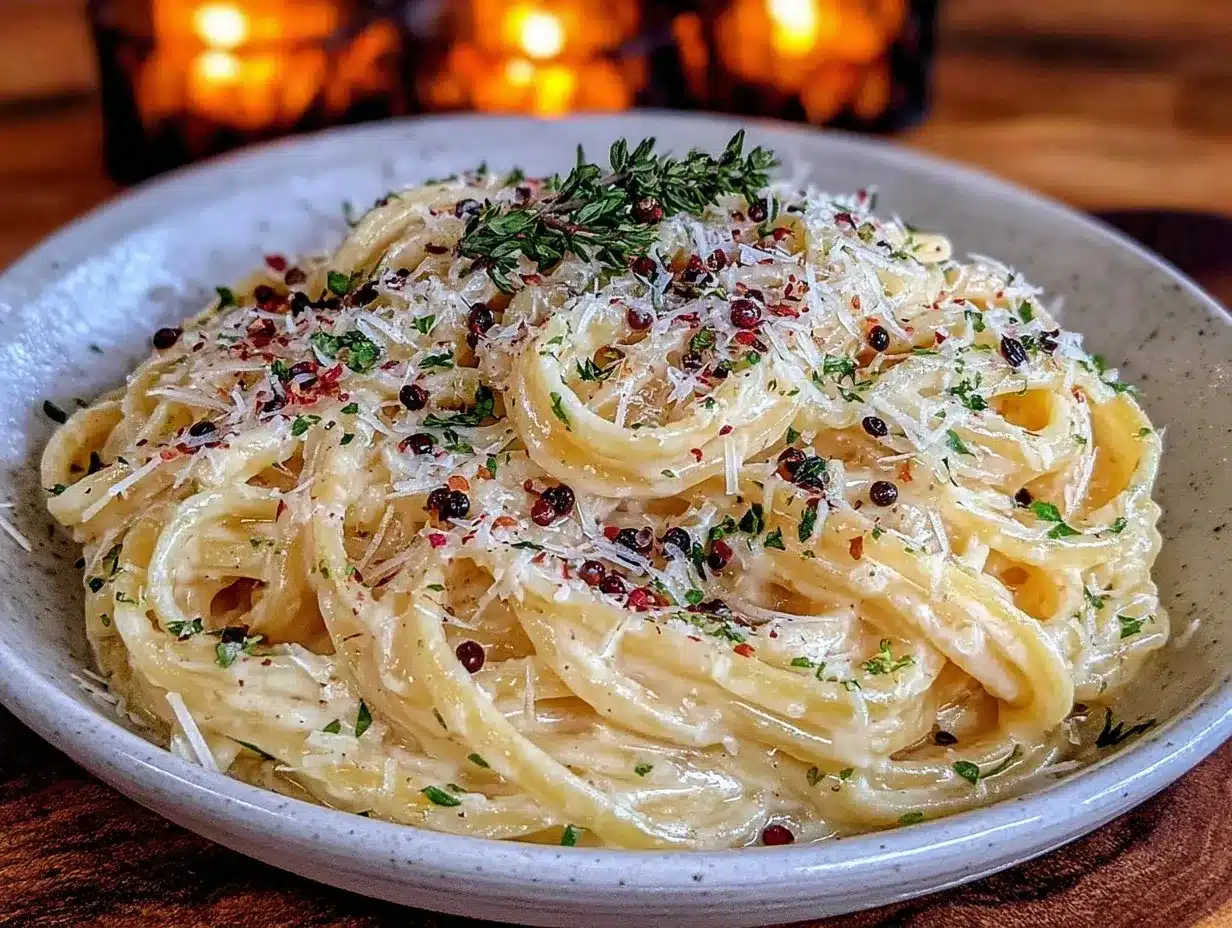
- Bring a large pot of salted water to a boil. Use about 4 quarts (3.8 liters) of water and add 1 tablespoon of salt. The water should taste like the sea.
- Add 12 ounces (340 grams) of spaghetti and cook until al dente. Follow package instructions but start checking 1-2 minutes before the suggested time.
- Reserve 1 cup (240 ml) of pasta water before draining. This starchy water is essential for the sauce’s creaminess, so don’t skip it.
- Drain the pasta and immediately transfer it to a large warm skillet over medium heat. This keeps the pasta hot and ready to absorb flavors.
- Add 2 tablespoons of freshly cracked black pepper to the skillet. Toast the pepper for about 1 minute, stirring constantly to release its fragrance.
- Gradually sprinkle in 1 ½ cups (about 5 ounces / 140 grams) of finely grated Pecorino Romano. Toss the pasta constantly to melt the cheese evenly.
- Slowly add reserved pasta water, a few tablespoons at a time. Stir vigorously to emulsify the cheese and water into a smooth, creamy sauce. Use about ¾ to 1 cup (180-240 ml), adjusting as needed to reach desired consistency.
- Check seasoning. Taste and add more cracked pepper if desired. The sauce should be creamy, with a peppery kick and salty tang from the Pecorino.
- Serve immediately. Spoon pasta onto warm plates and, if you like, add a little extra Pecorino and cracked pepper on top.
Pro tip: Tossing quickly and steadily while adding pasta water is key to preventing clumps. If the sauce looks dry or grainy, add a splash more pasta water. The cheese should melt smoothly and cling to each strand instead of forming lumps.
Cooking Tips & Techniques for Success
Getting creamy cacio e pepe just right can feel tricky at first, but once you get the hang of it, it’s incredibly rewarding. Here are some tips I’ve picked up along the way:
- Freshly cracked black pepper is non-negotiable. Pre-ground pepper lacks the punch and aroma that elevate this dish. Toasting the pepper gently heightens its flavor and adds a subtle smoky note.
- Keep the pasta water hot and starchy. This water acts as the sauce’s glue. Don’t over-drain or rinse the pasta.
- Grate the cheese finely and fresh. Pre-grated cheese often has anti-caking agents that can affect melting.
- Slowly add pasta water. Adding too much at once can make the sauce runny; too little and it clumps. Patience here pays off.
- Use a wide pan and toss with tongs or two forks. This helps coat the pasta evenly and encourages emulsification.
- Avoid high heat when mixing. Too hot and the cheese will seize up; medium to medium-low is ideal.
- Don’t skip seasoning the pasta water. Properly salted water seasons the pasta internally, balancing the salty Pecorino.
I once tried rushing this recipe, adding all the cheese at once and stirring too vigorously on high heat—ended up with clumps and a grainy mess. Now I take it slow and steady, and the difference is night and day.
Variations & Adaptations
While traditional cacio e pepe is perfect as is, I enjoy experimenting now and then:
- Garlic-Infused Twist: Lightly sauté minced garlic in olive oil before adding the pasta and pepper for a subtle aromatic depth.
- Gluten-Free Version: Use gluten-free spaghetti or linguine, ensuring you reserve enough pasta water to bind the sauce well.
- Spicy Kick: Add a pinch of red pepper flakes alongside the cracked pepper for a fiery edge.
- Herb Variation: Toss in fresh chopped parsley or basil at the end for a fresh contrast to the rich sauce.
- Veggie Boost: Serve alongside or mixed with sautéed mushrooms or zucchini ribbons (something like the vibrant green bean and tomato salad with feta complements this dish beautifully).
My personal favorite is the garlic-infused version on a chilly evening—it adds warmth without overpowering the peppery creaminess. If you’re feeling adventurous, try swapping Pecorino for a mix of Parmesan and Grana Padano to mellow the sharpness slightly.
Serving & Storage Suggestions
Cacio e pepe is best enjoyed fresh and hot, right from the pan, with the sauce luxuriously coating every strand. Serve it immediately with a simple green side or a crisp salad to balance the richness. I often pair it with roasted vegetables like the honey roasted butternut squash with rosemary for a cozy, well-rounded meal.
To store leftovers, place the pasta in an airtight container and refrigerate for up to 2 days. The sauce tends to thicken as it cools, so reheat gently on the stovetop over low heat, adding a splash of warm water or broth to loosen it back up.
While cacio e pepe doesn’t keep well frozen (the cheese sauce can separate), it reheats beautifully if warmed slowly and carefully. Flavors meld over time, but the pepper’s freshness diminishes, so adding a little extra cracked pepper when reheating helps revive that signature bite.
Nutritional Information & Benefits
This creamy cacio e pepe recipe is surprisingly light, considering its indulgent texture. Per serving (about 1 cup cooked pasta with sauce), you can expect roughly:
| Nutrient | Amount |
|---|---|
| Calories | 450-500 kcal |
| Protein | 18-20 grams |
| Fat | 15-18 grams (mostly from cheese) |
| Carbohydrates | 60-65 grams |
| Fiber | 2-3 grams |
Pecorino Romano provides a good source of calcium and protein, while black pepper contains antioxidants and supports digestion. This dish is naturally gluten-free if you use gluten-free pasta, and free from added sugars or artificial ingredients. It’s a satisfying way to enjoy pasta without heavy creams or butter, making it a realistic comfort food option for many diets.
Conclusion
This creamy cacio e pepe with fresh cracked pepper recipe is a testament to how simple ingredients, treated with care, can deliver unforgettable flavor and texture. It’s quick enough for weeknights but special enough to impress guests without any fuss. I love this recipe because it reminds me that sometimes the best meals are the ones that come together when you least expect them—comforting, satisfying, and full of character.
Feel free to tweak the pepper level or try one of the variations to make it your own. And if you give it a shot, I’d love to hear how it turns out or what personal twists you add to this classic dish. Cooking is all about sharing stories and flavors, after all—so let’s keep the tradition going with a simple plate of creamy cacio e pepe.
Frequently Asked Questions about Creamy Cacio e Pepe with Fresh Cracked Pepper
What makes cacio e pepe creamy without cream?
The creaminess comes from emulsifying finely grated Pecorino Romano cheese with hot starchy pasta water. This combination creates a smooth, velvety sauce that coats the pasta beautifully.
Can I use pre-ground black pepper?
Freshly cracked black pepper is recommended for its robust flavor and aroma. Pre-ground pepper lacks the boldness and can make the dish less vibrant.
How do I prevent the cheese from clumping?
Gradually add pasta water while tossing the pasta and cheese constantly over medium heat. Avoid high heat and add liquid slowly to help the cheese melt evenly.
Is this recipe gluten-free?
Traditional pasta contains gluten, but you can easily make this recipe gluten-free by using gluten-free spaghetti or linguine.
Can I prepare cacio e pepe ahead of time?
It’s best served fresh. However, if needed, refrigerate leftovers for up to two days and reheat gently with a splash of water to restore creaminess.
Pin This Recipe!
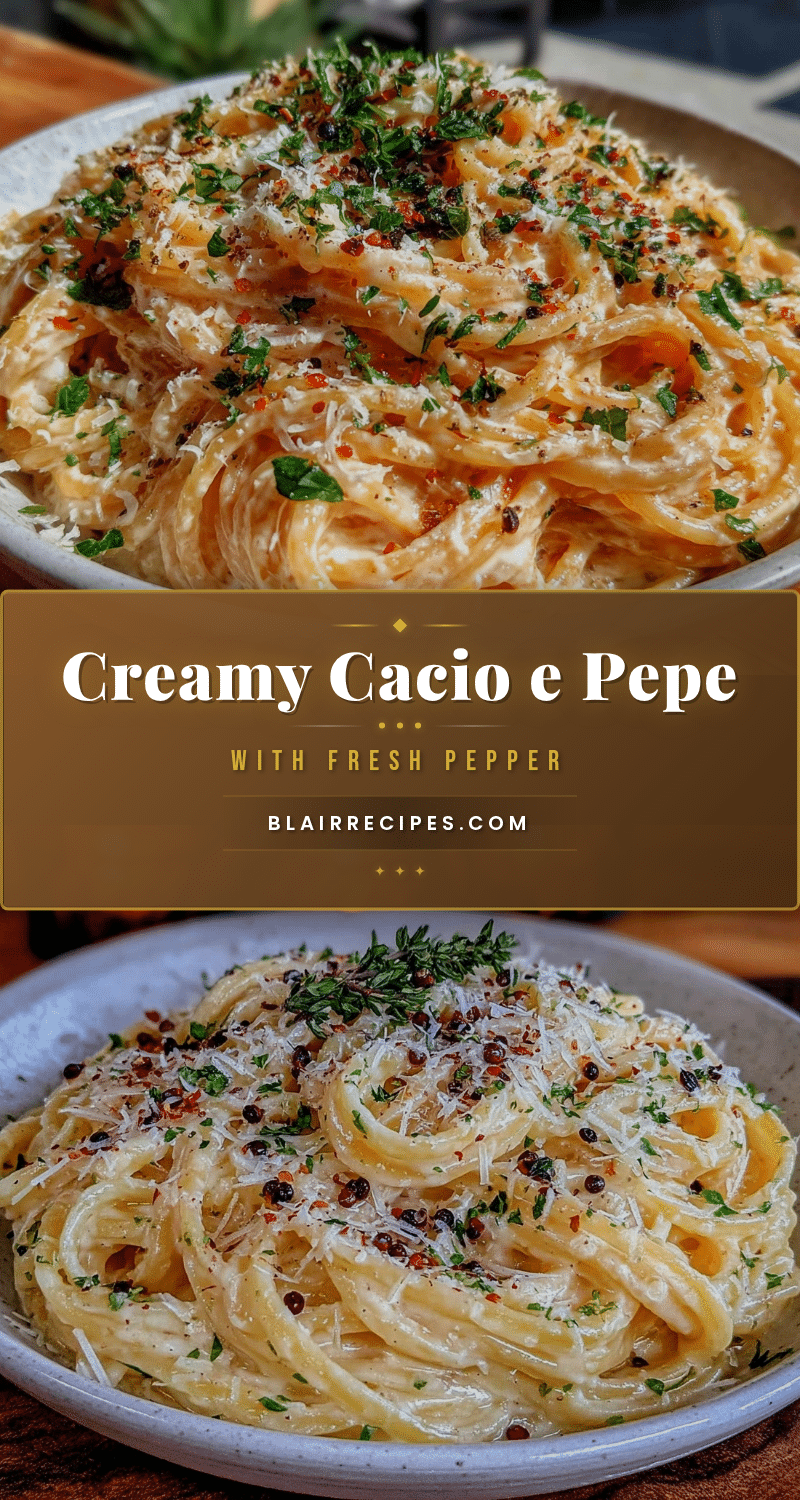
Creamy Cacio e Pepe Recipe Perfect for Easy Homemade Dinner

A simple and quick pasta dish featuring spaghetti tossed with freshly cracked black pepper and Pecorino Romano cheese, creating a creamy, peppery sauce without any cream or butter.
- Prep Time: 5 minutes
- Cook Time: 15 minutes
- Total Time: 20 minutes
- Yield: 4 servings 1x
- Category: Main Course
- Cuisine: Italian
Ingredients
- 12 ounces (340 grams) spaghetti or tonnarelli pasta
- 1 ½ cups (about 5 ounces or 140 grams) finely grated Pecorino Romano cheese
- 2 tablespoons freshly cracked black pepper (adjust to taste)
- About 1 cup (240 ml) reserved pasta water
- Salt for pasta water
Instructions
- Bring a large pot of salted water (about 4 quarts or 3.8 liters) to a boil. Add 1 tablespoon of salt; the water should taste like the sea.
- Add 12 ounces (340 grams) of spaghetti and cook until al dente, checking 1-2 minutes before package instructions suggest.
- Reserve 1 cup (240 ml) of pasta water before draining the pasta.
- Drain the pasta and immediately transfer it to a large warm skillet over medium heat.
- Add 2 tablespoons of freshly cracked black pepper to the skillet and toast for about 1 minute, stirring constantly.
- Gradually sprinkle in 1 ½ cups (about 5 ounces / 140 grams) of finely grated Pecorino Romano cheese, tossing constantly to melt the cheese evenly.
- Slowly add reserved pasta water a few tablespoons at a time, stirring vigorously to emulsify the cheese and water into a smooth, creamy sauce. Use about ¾ to 1 cup (180-240 ml), adjusting as needed.
- Taste and adjust seasoning with more cracked pepper if desired.
- Serve immediately, optionally adding extra Pecorino and cracked pepper on top.
Notes
Use freshly cracked black pepper for best flavor. Gradually add pasta water while tossing to prevent clumps. Use a wide pan and medium heat to emulsify sauce smoothly. Reserve pasta water to create creamy sauce without cream or butter. Serve immediately for best texture. Leftovers can be refrigerated up to 2 days and reheated gently with added water.
Nutrition
- Serving Size: About 1 cup cooked p
- Calories: 475
- Fat: 16.5
- Carbohydrates: 62.5
- Fiber: 2.5
- Protein: 19
Keywords: cacio e pepe, creamy pasta, Pecorino Romano, black pepper pasta, easy dinner, Italian pasta, weeknight dinner