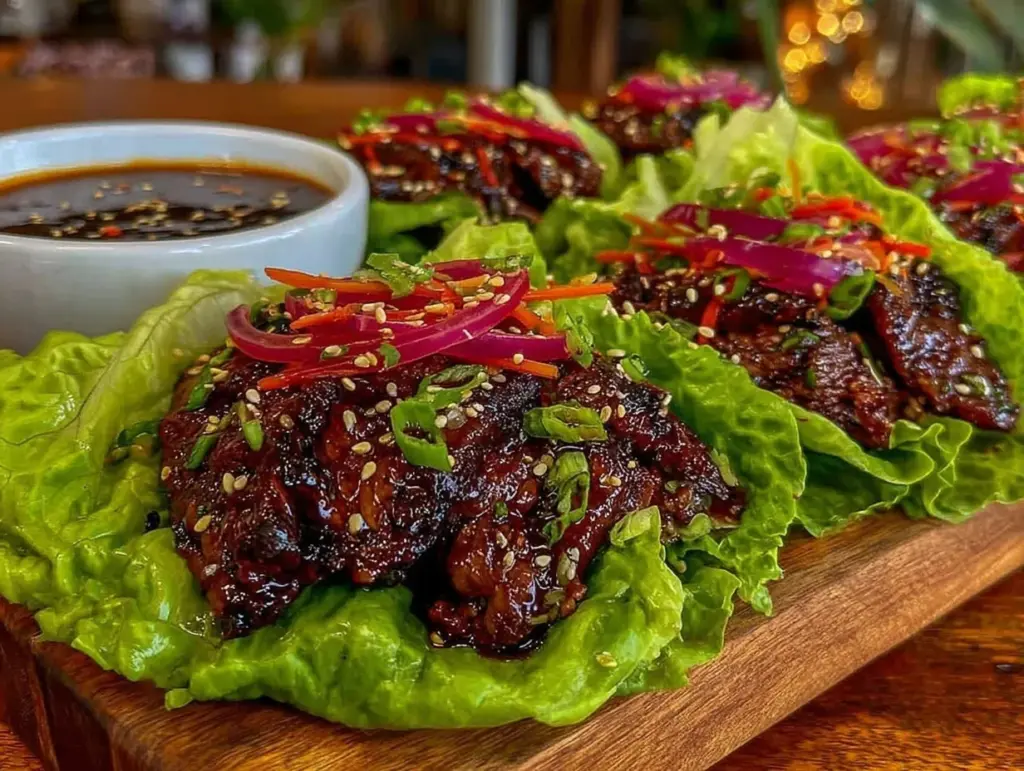
“You gotta try this bulgogi beef—it’s insane,” my coworker said, sliding a lettuce wrap across the table toward me during lunch break. I was skeptical. Lettuce wraps? Korean flavors? Honestly, I wasn’t sure if the combo would work. But that first bite—that hit me with sweet, savory, and just the right kick of umami. The tender, marinated beef melted in my mouth, balanced perfectly by the crispness of the lettuce and the zingy brightness of the pickled onions. It was a quick lunch that felt like a mini celebration, one I never expected from a simple office meal.
That moment stuck with me. Over the following week, I found myself craving those savory Korean bulgogi beef lettuce wraps with pickled onion again and again. I started tweaking the marinade, making the pickled onions a little tangier, and testing different lettuce varieties for the perfect crunch. It wasn’t just a meal; it became a little ritual that added spark to hectic days. It’s funny how a casual lunchtime recommendation turned into a kitchen obsession.
These wraps are a perfect balance of flavors and textures—meaty, fresh, tangy, and slightly spicy. They’re also a great way to sneak in some greens without feeling like you’re eating a salad (because who wants soggy lettuce?). If you’ve ever been curious about Korean flavors but hesitant to try something complicated, this recipe is your friendly in. Just trust me on this one, it’s worth making it your own little weekday favorite.
Why You’ll Love This Recipe
After making and remaking these savory Korean bulgogi beef lettuce wraps with pickled onion, I can say they’re a genuine crowd-pleaser that fits into busy lifestyles without sacrificing flavor. Here’s why this recipe keeps coming back to my kitchen:
- Quick & Easy: Ready in under 30 minutes, making it perfect for busy weeknights or when you need a fast meal that doesn’t feel rushed.
- Simple Ingredients: You probably already have most of what you need in your pantry and fridge—soy sauce, garlic, and lettuce aren’t exactly exotic staples.
- Perfect for Casual Gatherings: These wraps make an excellent finger food for small get-togethers or impromptu dinners with friends.
- Crowd-Pleaser: I’ve watched even the pickiest eaters ask for seconds, thanks to the balance of savory beef and bright pickled onions.
- Unbelievably Delicious: The marinade uses a touch of sweetness from brown sugar and a hint of sesame oil, creating layers of flavor that feel both comforting and exciting.
This isn’t just any bulgogi recipe. Instead of the traditional thicker cuts, I use thinly sliced beef ribeye for tenderness, and the quick pickled onions add a tang that cuts through the richness. The assembly into crisp lettuce gives each bite a fresh pop, making this dish feel light but satisfying. Honestly, the way the flavors come together makes it a recipe I reach for when I want a meal that’s both comforting and a little bit special.
What Ingredients You Will Need
This recipe keeps things straightforward, focusing on fresh, wholesome ingredients that come together to create bold, satisfying flavors. Most items are pantry staples or easy to find in grocery stores with an Asian foods aisle.
- For the Bulgogi Beef:
- 1 lb (450 g) thinly sliced beef ribeye or sirloin (ask your butcher to slice it thin if you can)
- 3 tablespoons soy sauce (I prefer Kikkoman for a well-balanced saltiness)
- 2 tablespoons brown sugar (adds a gentle caramelized sweetness)
- 1 tablespoon sesame oil (to bring that signature nutty aroma)
- 3 garlic cloves, minced (fresh garlic is a must for that punch)
- 1 teaspoon freshly grated ginger (adds warmth and zest)
- 1/2 teaspoon black pepper
- 1 tablespoon rice wine or mirin (optional, but really lifts the marinade)
- For the Pickled Onions:
- 1 medium red onion, thinly sliced
- 1/2 cup (120 ml) rice vinegar
- 1 tablespoon sugar
- 1/2 teaspoon salt
- Pinch of red pepper flakes (optional, for a subtle heat)
- For Assembly:
- 1 head of butter or Bibb lettuce leaves (washed and patted dry)
- Optional garnishes: toasted sesame seeds, sliced green onions, or a drizzle of sriracha mayo
If you don’t have rice vinegar, apple cider vinegar works in a pinch for the pickled onions. For a gluten-free option, substitute tamari for soy sauce. You can also swap ribeye for flank steak or sirloin, but be sure to slice it as thin as possible for the best tenderness.
Equipment Needed
- A sharp chef’s knife for slicing the beef and onions thinly (this really makes a difference in texture).
- A mixing bowl for marinating the beef.
- A skillet or cast iron pan for cooking the bulgogi beef—cast iron works great to get a nice sear.
- A small jar or bowl with a lid for quick pickling the onions (or just a regular bowl covered with plastic wrap).
- Tongs or chopsticks for turning the beef in the pan.
- Optional: a mandoline slicer if you want perfectly thin onion slices quickly.
Personally, I’ve found that a well-seasoned cast iron skillet gives the best caramelization on the beef, but a heavy-bottomed stainless steel pan will also do the job. For easier pickling, using a jar with a tight lid helps shake the onions and vinegar together to speed up the process.
Preparation Method
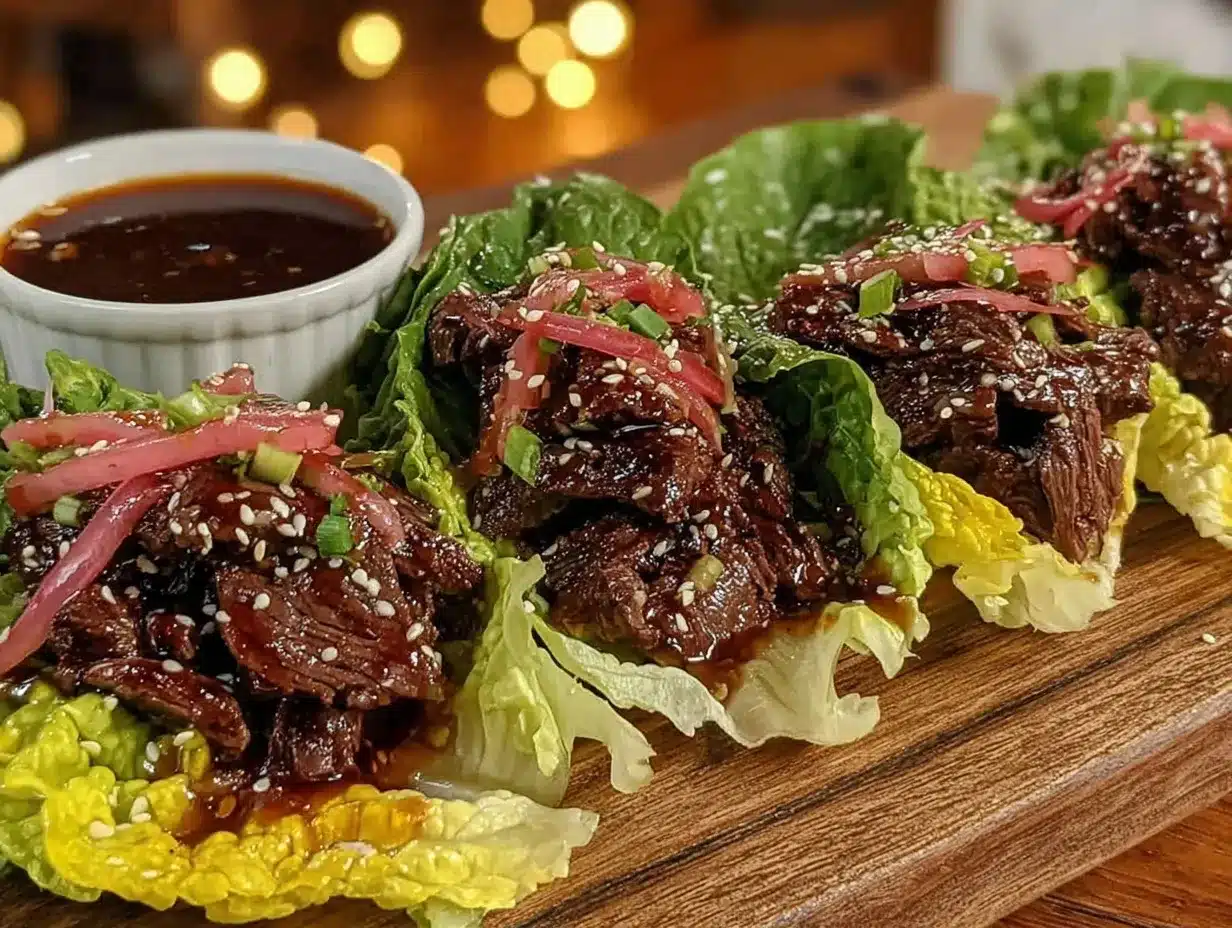
- Prepare the Pickled Onions (10 minutes + resting): In a small bowl or jar, combine rice vinegar, sugar, salt, and red pepper flakes. Stir until sugar dissolves. Add the thinly sliced red onions and toss to coat. Let them sit at room temperature for at least 10 minutes while you prep the beef. The onions will soften and develop a bright tang. For best flavor, refrigerate for a few hours or overnight if you have time.
- Marinate the Beef (5 minutes): In a mixing bowl, whisk together soy sauce, brown sugar, sesame oil, minced garlic, grated ginger, black pepper, and rice wine. Add the thinly sliced beef and toss to coat evenly. Let it marinate for at least 5 minutes—if you have a bit more time, 20 minutes is even better. The marinade tenderizes the meat and layers in flavor.
- Cook the Bulgogi Beef (8-10 minutes): Heat your skillet over medium-high heat until hot. Add the marinated beef in a single layer (you may need to do this in batches to avoid overcrowding). Cook, stirring occasionally, until the beef is browned and caramelized, about 3-4 minutes per batch. It should smell fragrant and look glossy with a slight char on some edges. If the pan gets dry, add a splash of water or a little more sesame oil.
- Prepare the Lettuce: While the beef cooks, gently separate the lettuce leaves, rinse, and pat dry. Choose the larger leaves for easy wrapping.
- Assemble the Wraps: Lay a lettuce leaf flat, spoon a generous amount of bulgogi beef in the center, and top with pickled onions. Sprinkle with toasted sesame seeds or sliced green onions if you like. For a spicy kick, add a drizzle of sriracha mayo or your favorite hot sauce.
Pro tip: Don’t overload your lettuce wraps or they’ll tear. A modest portion makes eating easier and more enjoyable. Also, if the beef cools down too fast, give the skillet a quick warm-up before serving the next batch—freshly cooked bulgogi is unbeatable.
Cooking Tips & Techniques
Getting bulgogi just right is about balancing flavor and texture. Here are some insights I’ve picked up from trial and error:
- Slice thinly: Thin slices of beef cook quickly and stay tender. If your butcher can’t slice it thin, partially freeze the meat for 30 minutes—it firms up and’s easier to cut.
- Don’t crowd the pan: Overloading the skillet traps steam, making the meat soggy instead of caramelized. Cook in batches if needed.
- Marinate briefly but effectively: Bulgogi marinades don’t need hours—just enough to coat and tenderize. Too long can cause the meat to become mushy.
- Use high heat for searing: A hot pan helps develop the signature caramelization. But watch carefully to avoid burning the sugar.
- Pickled onions add punch: They cut through the richness and add a refreshing crunch. If you like, you can pickle other veggies like cucumbers or carrots similarly.
- Multitasking: Start pickling onions first, then marinate beef while the onions soak. This keeps prep time tight.
Once, I tried cooking all the beef at once, and it steamed rather than seared—lesson learned! Also, letting the bulgogi rest a couple of minutes off heat helps the juices redistribute, making it even tastier.
Variations & Adaptations
These lettuce wraps are versatile and easy to adapt for different diets and flavor profiles:
- Vegetarian Version: Swap beef for thinly sliced mushrooms or tofu marinated in the same bulgogi sauce. Sauté until caramelized for a delicious meat-free option.
- Spice it Up: Add gochujang (Korean chili paste) to the marinade or drizzle it on the wraps for a spicy boost that’s authentic and flavorful.
- Different Greens: Try using crisp romaine or green leaf lettuce if you can’t find butter lettuce. Napa cabbage leaves also work well and add a subtle crunch.
- Seasonal Twist: In warmer months, add fresh herbs like cilantro or mint for brightness. In cooler seasons, pair the wraps with a side like honey-roasted butternut squash with rosemary for a cozy meal.
- Gluten-Free: Use tamari or coconut aminos in place of soy sauce. Confirm your sugar is gluten-free to keep it safe for sensitive diets.
Once, I tried topping my wraps with a quick kimchi slaw instead of pickled onions—totally different vibe but equally addictive. Feel free to experiment and find your own favorite combo.
Serving & Storage Suggestions
These bulgogi beef lettuce wraps are best served fresh and warm. The contrast between the hot, savory beef and the cool, crisp lettuce is part of what makes them so irresistible. Serve immediately after cooking for the best texture.
If you want to prep ahead, store the cooked beef separately in an airtight container in the fridge for up to 3 days. The pickled onions can be made a few days in advance and actually taste better after resting. Just keep your lettuce leaves chilled and dry until serving to avoid sogginess.
For reheating, gently warm the beef in a skillet or microwave until hot (avoid overcooking). Assemble the wraps fresh right before eating. These wraps pair beautifully with light sides like an easy sautéed green beans with lemon zest or a refreshing cucumber salad.
Over time, the flavors in the pickled onions deepen, making them a versatile condiment beyond these wraps. You might find yourself adding them to sandwiches or grilled meats for a bright pop.
Nutritional Information & Benefits
These savory Korean bulgogi beef lettuce wraps offer a balanced meal with protein, fiber, and fresh veggies. Per serving (about 3 wraps), you’re looking at approximately 350 calories, 25 grams of protein, 8 grams of carbohydrates, and 20 grams of fat, mostly from healthy sources like sesame oil and lean beef.
The beef provides iron and B vitamins crucial for energy and wellbeing, while the lettuce adds fiber and hydration. The pickled onions contribute probiotics and antioxidants, supporting digestion and immune health. This recipe fits nicely into low-carb and gluten-free diets when using tamari, making it a flexible choice for many.
Conclusion
These savory Korean bulgogi beef lettuce wraps with pickled onion have become a go-to for quick, satisfying meals that deliver big flavor without fuss. Whether you’re feeding family on a weeknight or impressing friends at a casual gathering, this recipe brings together the best of Korean cooking in a simple, approachable way.
Feel free to tweak the spice level, swap proteins, or add your favorite garnishes to make it truly yours. For me, it’s the perfect blend of sweet, savory, tangy, and fresh—a combination that keeps me coming back. I hope you find the same little joy in each bite.
When you try it, I’d love to hear what variations you come up with or how these wraps fit into your meal rotation. Happy cooking and savor every bite!
FAQs
What cut of beef works best for bulgogi lettuce wraps?
Thinly sliced ribeye or sirloin works best because they cook quickly and stay tender. You can ask your butcher to slice it thin or partially freeze the meat yourself for easier slicing.
Can I make the pickled onions ahead of time?
Yes! The pickled onions taste even better after sitting for a few hours or overnight in the fridge. Just keep them covered and chilled until ready to use.
Is there a vegetarian alternative to bulgogi beef?
Absolutely. Thinly sliced mushrooms or firm tofu marinated and cooked in the same bulgogi sauce make tasty vegetarian wraps.
What type of lettuce is best for wraps?
Butter lettuce or Bibb lettuce leaves are ideal because they’re soft yet sturdy enough to hold the filling without tearing.
How do I store leftover bulgogi beef?
Store cooked beef in an airtight container in the fridge for up to 3 days. Reheat gently before serving, and keep the lettuce separate until ready to assemble.
Pin This Recipe!
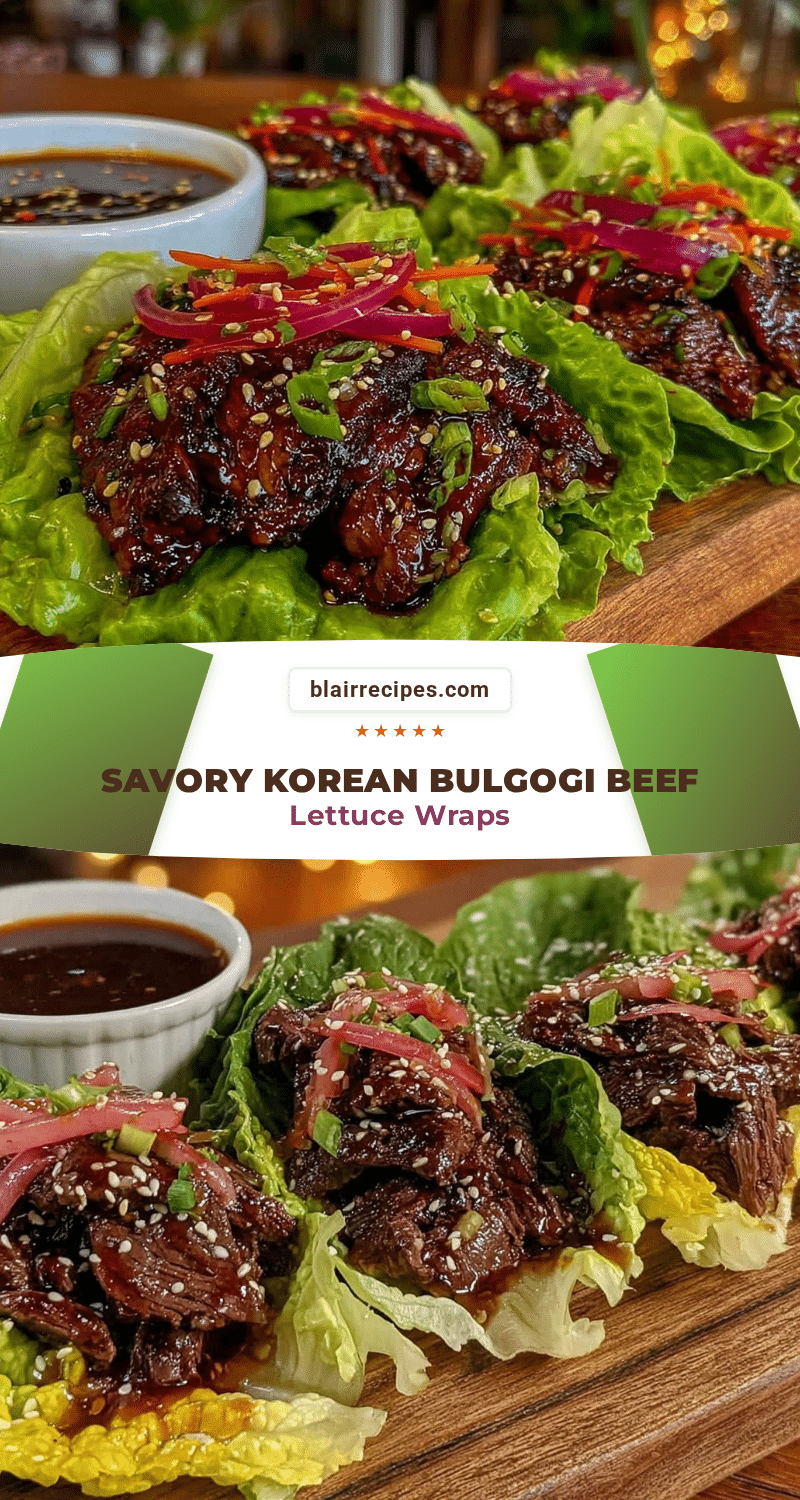
Savory Korean Bulgogi Beef Lettuce Wraps Easy Homemade Recipe with Pickled Onion

These savory Korean bulgogi beef lettuce wraps with pickled onion offer a perfect balance of sweet, savory, and tangy flavors with tender marinated beef and crisp lettuce, ideal for quick and satisfying meals.
- Prep Time: 15 minutes
- Cook Time: 10 minutes
- Total Time: 25 minutes
- Yield: 4 servings 1x
- Category: Main Course
- Cuisine: Korean
Ingredients
- 1 lb (450 g) thinly sliced beef ribeye or sirloin
- 3 tablespoons soy sauce
- 2 tablespoons brown sugar
- 1 tablespoon sesame oil
- 3 garlic cloves, minced
- 1 teaspoon freshly grated ginger
- 1/2 teaspoon black pepper
- 1 tablespoon rice wine or mirin (optional)
- 1 medium red onion, thinly sliced
- 1/2 cup (120 ml) rice vinegar
- 1 tablespoon sugar
- 1/2 teaspoon salt
- Pinch of red pepper flakes (optional)
- 1 head of butter or Bibb lettuce leaves
- Optional garnishes: toasted sesame seeds, sliced green onions, or a drizzle of sriracha mayo
Instructions
- Prepare the Pickled Onions: In a small bowl or jar, combine rice vinegar, sugar, salt, and red pepper flakes. Stir until sugar dissolves. Add the thinly sliced red onions and toss to coat. Let sit at room temperature for at least 10 minutes or refrigerate for a few hours or overnight for best flavor.
- Marinate the Beef: In a mixing bowl, whisk together soy sauce, brown sugar, sesame oil, minced garlic, grated ginger, black pepper, and rice wine. Add the thinly sliced beef and toss to coat evenly. Let marinate for at least 5 minutes, preferably 20 minutes.
- Cook the Bulgogi Beef: Heat skillet over medium-high heat until hot. Add marinated beef in a single layer, cooking in batches if needed. Cook, stirring occasionally, until browned and caramelized, about 3-4 minutes per batch. Add a splash of water or sesame oil if pan gets dry.
- Prepare the Lettuce: Gently separate lettuce leaves, rinse, and pat dry. Choose larger leaves for wrapping.
- Assemble the Wraps: Lay a lettuce leaf flat, spoon a generous amount of bulgogi beef in the center, and top with pickled onions. Sprinkle with toasted sesame seeds or sliced green onions if desired. Add a drizzle of sriracha mayo or hot sauce for a spicy kick.
Notes
Do not overload lettuce wraps to avoid tearing. Cook beef in batches to prevent steaming and ensure caramelization. Pickled onions taste better after resting several hours or overnight. For gluten-free, substitute tamari for soy sauce. Thinly slice beef for tenderness; partially freeze meat for easier slicing if needed.
Nutrition
- Serving Size: About 3 wraps per se
- Calories: 350
- Fat: 20
- Carbohydrates: 8
- Protein: 25
Keywords: bulgogi, Korean beef, lettuce wraps, pickled onions, quick dinner, easy recipe, Korean cuisine, savory wraps