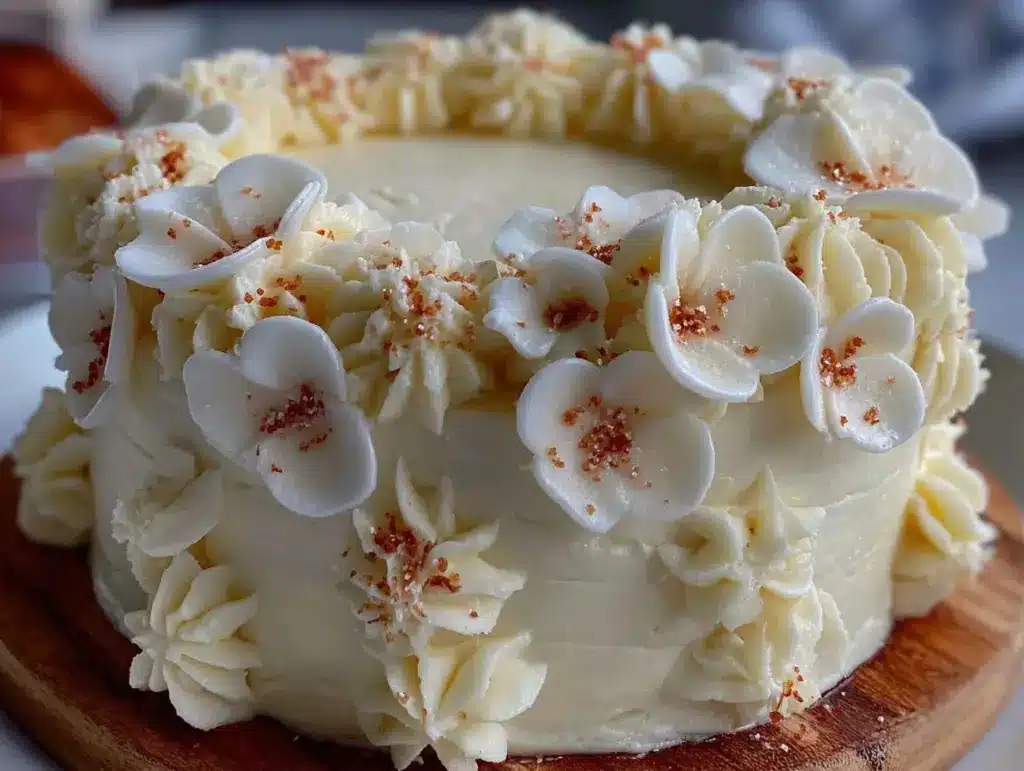
“Is the cake ready yet?” my niece asked, eyes wide with a mix of excitement and impatience. I was hunched over the kitchen counter, carefully shaping delicate white fondant flowers to decorate the cross cake for her First Communion. Honestly, I wasn’t sure I could pull off something this elegant on such short notice—but as the afternoon sunlight filtered through the window and the scent of vanilla filled the air, I started to believe this cake might just be the perfect centerpiece for that special day.
The idea for this Perfect First Communion Cross Cake with Elegant White Fondant Flowers came about quite unexpectedly. I was juggling a busy weekend when a last-minute request came through from a family friend. She needed a cake that looked beautiful yet felt simple enough for a heartfelt celebration. I wasn’t really a baker who specialized in fancy cakes, but I realized that with the right recipe and a few thoughtful touches, it could be something truly memorable.
That afternoon, as I worked with the fondant and adjusted the soft buttercream, I found a quiet satisfaction in the process. The cake’s smooth, white surface and delicate flowers seemed to capture the solemn joy of the occasion. By the time the guests arrived, people kept asking for the recipe—something about the balance of light sweetness and elegant design truly hit home. This cake isn’t just a dessert; it’s a keepsake in edible form, one that brings a subtle calm to the sometimes hectic moments of celebration.
Why You’ll Love This Recipe
Having made this cake several times now, I can honestly say it’s become a go-to for First Communion celebrations and other meaningful gatherings. Here’s why you’ll want to keep this recipe handy:
- Quick & Easy: The cake comes together in about 90 minutes from start to finish, making it perfect for last-minute plans or when you just want something special without hours in the kitchen.
- Simple Ingredients: You won’t need to hunt down fancy specialty items—most ingredients are common pantry staples, and the fondant flowers can be made with basic supplies.
- Perfect for Celebrations: Whether it’s a First Communion, baptism, or any event where a meaningful symbol is needed, this cross cake fits the bill beautifully.
- Crowd-Pleaser: Kids and adults alike appreciate the gentle sweetness and moist crumb; it’s a recipe that gets compliments every time.
- Elegant Yet Approachable: The fondant flowers look intricate but are surprisingly easy to make, giving the cake a professional touch without the stress.
What sets this cake apart is the balance between tradition and accessibility. The white fondant flowers aren’t just decoration—they soften the structured cross shape, adding an organic feel that makes the cake inviting rather than intimidating. It’s not just another decorated cake; it’s one that invites you to pause for a moment of quiet reflection amidst the celebration.
Honestly, after the first bite, many say it’s the kind of cake you want to savor slowly, eyes closed, appreciating the subtle vanilla notes and tender crumb. It’s comfort food with a gentle grace, perfect for impressing guests without feeling over the top.
What Ingredients You Will Need
This recipe uses simple, wholesome ingredients to deliver bold flavor and a satisfying texture without the fuss. Most of these are pantry basics, and the fondant flowers require just a few extra supplies you might already have or can easily find.
- For the Cake Batter:
- All-purpose flour, 2 ½ cups (315 g)
- Baking powder, 2 ½ teaspoons (10 g)
- Salt, ½ teaspoon (3 g)
- Unsalted butter, 1 cup (227 g), softened (I like using Kerrygold for creaminess)
- Granulated sugar, 1 ¾ cups (350 g)
- Large eggs, 4, room temperature
- Whole milk, 1 cup (240 ml), room temperature
- Pure vanilla extract, 2 teaspoons (10 ml)
- For the Buttercream Frosting:
- Unsalted butter, 1 cup (227 g), softened
- Powdered sugar, 4 cups (480 g), sifted
- Heavy cream, 2-3 tablespoons (30-45 ml)
- Vanilla extract, 1 teaspoon (5 ml)
- Pinch of salt
- For the Fondant Flowers:
- White fondant, about 16 ounces (450 g) (Wilton brand is reliable and easy to work with)
- Cornstarch or powdered sugar, for dusting
- Edible pearl dust (optional, for a soft shimmer)
- Small rolling pin and flower cutters (see equipment below)
Substitution tips: Use almond milk or oat milk instead of whole milk if you prefer a dairy-free option. For a gluten-free version, swap the all-purpose flour with a gluten-free baking blend—but note the texture might be slightly different. If you want to experiment, you can add a teaspoon of almond extract along with vanilla for a subtle twist.
Equipment Needed
Here’s what you’ll want on hand to make this cake and the elegant fondant flowers:
- 9 x 13-inch rectangular cake pan (for the base cross shape)
- Mixing bowls (medium and large)
- Electric stand mixer or hand mixer (essential for smooth buttercream and well-aerated batter)
- Spatulas (rubber and offset for frosting)
- Rolling pin (small size works best for fondant)
- Flower-shaped fondant cutters (small to medium size)
- Sharp knife (for trimming cake edges and shaping the cross)
- Cooling rack
- Bench scraper or cake smoother (helpful but optional to get a clean finish)
If you don’t have a stand mixer, a robust hand mixer will do just fine. For the fondant flowers, if you can’t find specific cutters, small cookie cutters or even a clean bottle cap can work in a pinch. Just be sure to dust your surface lightly with cornstarch to prevent sticking. I’ve found that using a bench scraper makes frosting the cake a lot easier, but if you prefer, a simple offset spatula can get the job done with a bit more patience.
Preparation Method
- Preheat your oven to 350°F (175°C). Grease and lightly flour your 9 x 13-inch cake pan. This helps the cake release smoothly later.
- Mix dry ingredients: In a medium bowl, sift together the all-purpose flour, baking powder, and salt. Set aside.
- Cream butter and sugar: In your mixer bowl, beat the softened butter and granulated sugar on medium-high speed for about 3-4 minutes, until light and fluffy. This step is key for a tender crumb.
- Add eggs one at a time: Beat each egg into the butter mixture, scraping down the bowl between additions to keep everything smooth and combined.
- Alternate adding dry ingredients and milk: Reduce mixer speed to low and add the dry ingredients in three parts, alternating with the milk in two parts, starting and ending with the flour mixture. Mix just until combined—overmixing can make the cake dense.
- Stir in vanilla extract. Give the batter one last gentle mix to incorporate.
- Pour batter into the prepared pan: Spread evenly with a spatula and tap the pan gently to remove air bubbles.
- Bake for 35-40 minutes: The cake is done when a toothpick inserted into the center comes out clean or with a few moist crumbs. Cool in the pan for 15 minutes.
- Remove cake and shape the cross: Carefully invert the cake onto a cooling rack. Once fully cooled (about 1 hour), use a sharp knife to trim the edges and cut the cake into a cross shape (imagine a vertical and horizontal bar intersecting). Save scraps for snacking or trifle.
- Prepare the buttercream: Beat softened butter on medium speed until creamy. Gradually add powdered sugar, alternating with heavy cream, until smooth and spreadable. Mix in vanilla and a pinch of salt. Adjust consistency by adding more cream or sugar if needed.
- Apply a crumb coat: Spread a thin layer of buttercream over the entire cross cake. Chill for 20 minutes to set.
- Final frosting layer: Spread a smooth, even second coat of buttercream over the cake. Use a bench scraper or spatula to smooth the sides and top.
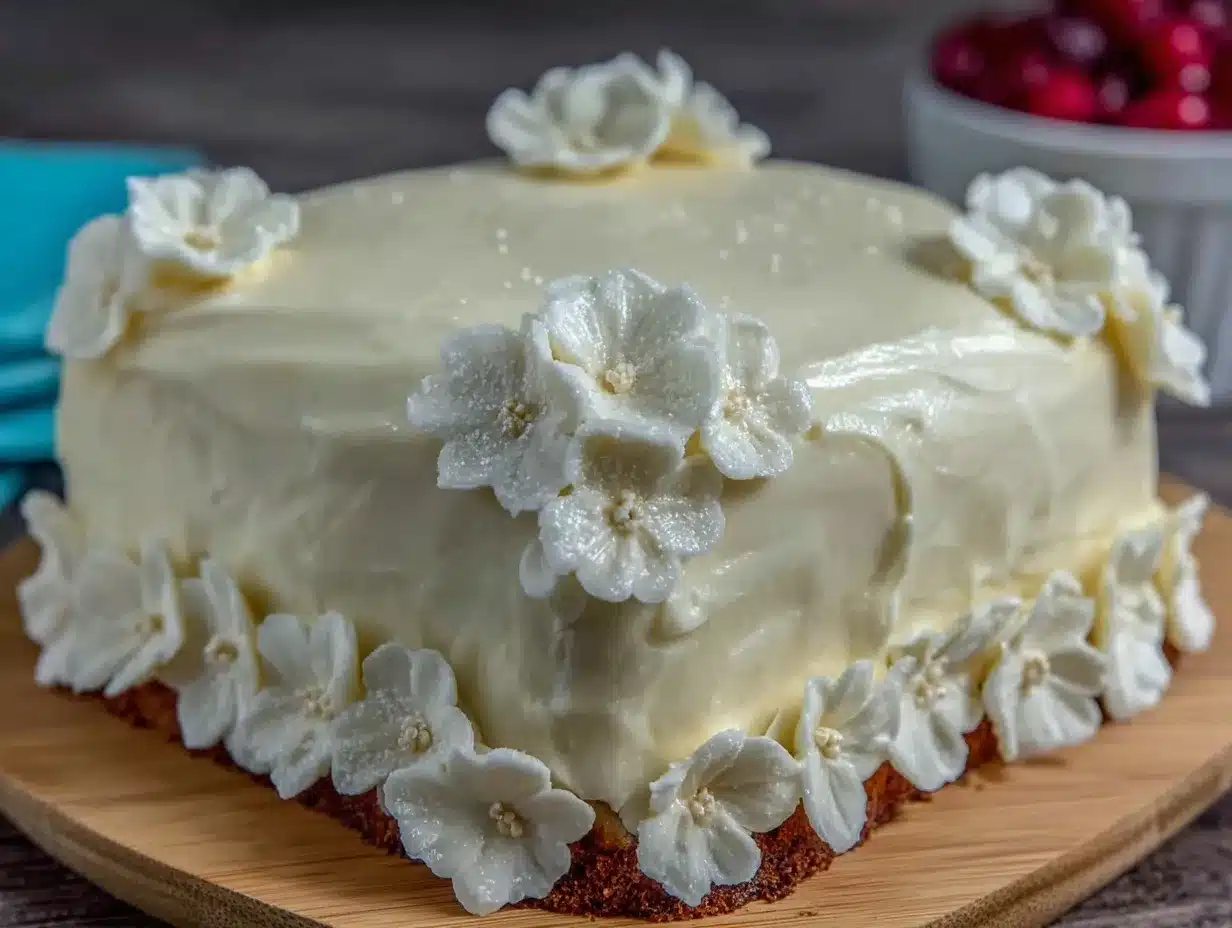
- Make fondant flowers: Lightly dust your work surface with cornstarch. Roll out white fondant to about 1/8-inch thickness. Press flower cutters gently to create shapes. Use your fingers to soften edges for a natural look. Optional: brush with edible pearl dust for subtle shimmer.
- Decorate the cake: Arrange fondant flowers artistically on the cross, clustering them at the edges and center as desired. Press gently to adhere.
- Let the cake rest at room temperature for 30 minutes before serving. This helps the buttercream soften slightly for better texture.
Tip: If your fondant flowers dry too quickly, wrap leftovers tightly in plastic wrap to keep them pliable for future use. Also, when cutting the cake into the cross shape, keep your knife clean and warm it occasionally for neat edges.
Cooking Tips & Techniques
From my experience, the key to a successful First Communion cross cake lies in a few simple but important details:
- Butter temperature matters: Make sure your butter is soft but not melted. This affects how the sugar creams and ultimately the cake’s texture.
- Don’t skip sifting: Sifting the flour, baking powder, and powdered sugar removes lumps and helps yield a lighter crumb.
- Mix gently: Overmixing the batter after adding flour can lead to a dry, tough cake. Stir just until no dry streaks remain.
- Crumb coating is your friend: Applying a thin layer of frosting first traps crumbs and makes the final coat look flawless.
- Fondant handling: Dust your work surface to prevent sticking but avoid too much or your flowers will crack. Keep fondant covered when not in use.
- Timing: Plan your decorating when the cake is fully cooled to avoid melting the buttercream.
One time, I forgot to cool the cake completely and the frosting started sliding—lesson learned! Also, when rolling fondant, work quickly but gently. It’s tempting to roll thin for delicate petals, but too thin and they’ll tear easily.
Multitasking helps: while the cake bakes, prepare your fondant flowers so they have time to dry and set. This way, you’re not rushed at the end and can maintain that calm, thoughtful pace essential for elegant decoration.
Variations & Adaptations
This recipe is quite flexible, and I’ve tried a few variations that worked well:
- Flavor twists: Add lemon zest or a teaspoon of almond extract to the batter for a subtle citrus or nutty note that pairs beautifully with the white fondant flowers.
- Gluten-free option: Use a 1:1 gluten-free flour blend instead of all-purpose flour. The cake will be a bit denser but still delicious.
- Different decorating styles: Instead of fondant flowers, try piped buttercream rosettes or delicate edible lace for a softer look.
- Chocolate version: Swap ½ cup (60 g) of flour for cocoa powder to create a chocolate cross cake—fondant decorations still pop on the dark background.
- Seasonal adaptations: In spring, add fresh edible flowers alongside fondant ones for a garden-inspired vibe.
Personally, I once made a version with a honey-vanilla glaze instead of buttercream, inspired by the honey roasted butternut squash recipe I love. It added a subtle sweetness and kept the cake moist, perfect for a lighter finish.
Serving & Storage Suggestions
Serve this cake at room temperature to fully enjoy the tender crumb and smooth buttercream. Presentation matters here—the cross shape looks lovely on a simple white platter, garnished with additional fondant flowers or a few fresh white roses for that extra touch.
This cake pairs wonderfully with light beverages like chamomile tea or a chilled glass of sparkling water with lemon. For a full meal, consider complementing it with vibrant sides such as the sautéed green beans with lemon zest and pine nuts, which add a fresh balance to the sweetness of the cake.
To store, keep the cake covered with a cake dome or loosely wrapped in plastic wrap at room temperature for up to 2 days. For longer storage, refrigerate up to 5 days, but allow the cake to come to room temperature before serving to regain softness.
If you want to freeze it, wrap the frosted cake tightly in plastic wrap and aluminum foil, then freeze for up to 2 months. Thaw overnight in the fridge and then bring to room temperature before serving. The fondant flowers may lose a little softness but hold their shape well.
Flavors tend to deepen slightly after a day, so if you can, make the cake a day ahead for a richer experience without losing the delicate texture.
Nutritional Information & Benefits
Each serving of this cake provides a moderate amount of calories—roughly 350-400 calories per slice (1/12th of the cake), with about 18 grams of fat and 45 grams of carbohydrates. The butter and eggs supply protein and fat, while the sugar adds sweetness.
The key ingredients, like eggs and butter, offer essential nutrients such as vitamin A, vitamin D, and healthy fats important for energy. Vanilla extract adds aroma without calories, and using high-quality butter supports better flavor and texture.
For those mindful of allergens, this recipe contains gluten, dairy, and eggs. Substitutions can make it gluten-free or dairy-free, but be mindful of texture changes. It’s not low-carb, but the recipe’s simple ingredients make it a wholesome treat for special occasions.
From a personal wellness standpoint, this cake feels like a nice balance between indulgence and tradition—a reminder that celebrations are about joy and togetherness, not just nutrition labels.
Conclusion
This Perfect First Communion Cross Cake with Elegant White Fondant Flowers holds a special place in my baking repertoire. It’s one of those recipes that turns a meaningful day into a memory, balancing simplicity with grace. Whether you’re making it for a family member, a friend, or yourself, the gentle sweetness and delicate decoration invite a moment of calm celebration.
Feel free to adapt this recipe to your taste—swap flavors, try new decorating styles, or make it your own in any way that feels right. I’ve found that the best cakes are the ones that carry a little piece of the baker’s heart.
If you try this recipe, I’d love to hear your stories or see your photos—sharing those little moments is what makes cooking so rewarding. Here’s to many joyful celebrations with cake at the center!
FAQs
Can I make the fondant flowers ahead of time?
Absolutely! Fondant flowers can be made up to a week in advance. Store them in an airtight container at room temperature to keep them from drying out or cracking.
What’s the best way to cut the cake into a cross shape?
Use a sharp knife and cut the cake once it’s completely cooled. Start by trimming the edges for clean lines, then cut a vertical bar and a horizontal bar to form the cross. Keep your knife warm by dipping it in hot water and drying before each cut for smoother edges.
Can I substitute the buttercream for another frosting?
Yes, you can use whipped cream frosting or cream cheese frosting if you prefer. Just keep in mind that these frostings are softer and may not hold the fondant decorations as securely.
How do I store leftover cake?
Keep leftovers covered at room temperature for up to 2 days or refrigerate for up to 5 days. Bring the cake to room temperature before serving for the best texture.
Is this cake suitable for kids?
Definitely! The flavor is mild and sweet, and the decoration is visually appealing for children. Just be sure to supervise little ones around the fondant decorations if they’re very young.
Pin This Recipe!
Perfect First Communion Cross Cake Recipe with Easy Elegant White Fondant Flowers

A simple yet elegant cross-shaped cake decorated with delicate white fondant flowers, perfect for First Communion celebrations and other meaningful gatherings. This moist vanilla cake with smooth buttercream frosting balances tradition with accessibility.
- Prep Time: 30 minutes
- Cook Time: 40 minutes
- Total Time: 90 minutes
- Yield: 12 servings 1x
- Category: Dessert
- Cuisine: American
Ingredients
- 2 ½ cups (315 g) all-purpose flour
- 2 ½ teaspoons (10 g) baking powder
- ½ teaspoon (3 g) salt
- 1 cup (227 g) unsalted butter, softened
- 1 ¾ cups (350 g) granulated sugar
- 4 large eggs, room temperature
- 1 cup (240 ml) whole milk, room temperature
- 2 teaspoons (10 ml) pure vanilla extract
- 1 cup (227 g) unsalted butter, softened (for buttercream)
- 4 cups (480 g) powdered sugar, sifted
- 2–3 tablespoons (30–45 ml) heavy cream
- 1 teaspoon (5 ml) vanilla extract (for buttercream)
- Pinch of salt (for buttercream)
- About 16 ounces (450 g) white fondant
- Cornstarch or powdered sugar, for dusting
- Edible pearl dust (optional)
Instructions
- Preheat oven to 350°F (175°C). Grease and lightly flour a 9 x 13-inch cake pan.
- In a medium bowl, sift together flour, baking powder, and salt. Set aside.
- In a mixer bowl, beat softened butter and granulated sugar on medium-high speed for 3-4 minutes until light and fluffy.
- Add eggs one at a time, beating well after each addition and scraping down the bowl.
- Reduce mixer speed to low; add dry ingredients in three parts alternating with milk in two parts, starting and ending with flour mixture. Mix just until combined.
- Stir in vanilla extract gently.
- Pour batter into prepared pan, spread evenly, and tap pan to remove air bubbles.
- Bake for 35-40 minutes until a toothpick inserted in the center comes out clean or with a few moist crumbs. Cool in pan for 15 minutes.
- Invert cake onto cooling rack; once fully cooled (about 1 hour), trim edges and cut cake into a cross shape.
- For buttercream, beat softened butter on medium speed until creamy. Gradually add powdered sugar alternating with heavy cream until smooth and spreadable. Mix in vanilla and salt. Adjust consistency as needed.
- Apply a thin crumb coat of buttercream over the cake and chill for 20 minutes.
- Spread a smooth second coat of buttercream over the cake, smoothing sides and top with a bench scraper or spatula.
- Dust work surface with cornstarch. Roll out white fondant to 1/8-inch thickness. Use flower cutters to create shapes and soften edges with fingers. Optionally brush with edible pearl dust.
- Arrange fondant flowers on the cross cake, clustering at edges and center. Press gently to adhere.
- Let cake rest at room temperature for 30 minutes before serving.
Notes
Use softened but not melted butter for best texture. Sift dry ingredients to remove lumps. Avoid overmixing batter to keep cake tender. Keep fondant dusted lightly with cornstarch to prevent sticking but avoid excess to prevent cracking. Make fondant flowers ahead and store airtight. Warm knife before cutting cake for clean edges. Let cake rest before serving for best texture.
Nutrition
- Serving Size: 1 slice (1/12th of c
- Calories: 375
- Sugar: 30
- Sodium: 150
- Fat: 18
- Saturated Fat: 11
- Carbohydrates: 45
- Protein: 5
Keywords: First Communion cake, cross cake, fondant flowers, vanilla cake, buttercream frosting, celebration cake, easy elegant cake