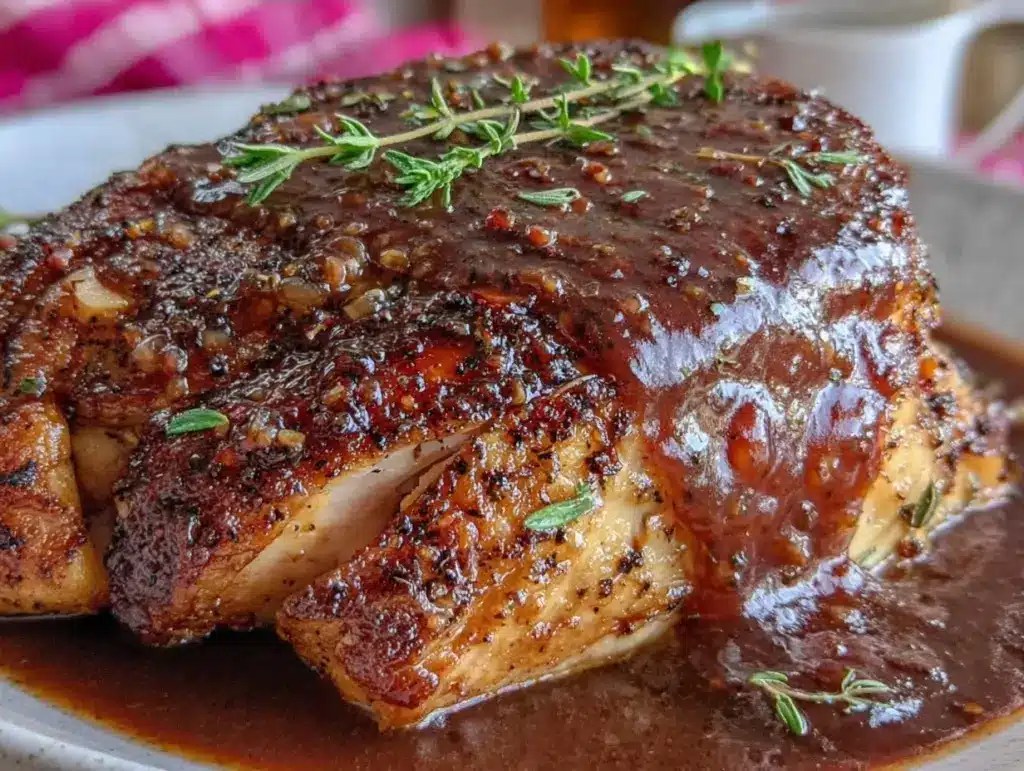
“Wait, where’s the gravy?” That was my aunt’s voice from across the kitchen, just as I realized I’d forgotten the one thing that makes or breaks Thanksgiving dinner. Honestly, I had been juggling a dozen dishes, and the gravy was nearly an afterthought—until I tasted the dry turkey that begged for a rich, silky sauce. I scrabbled for a quick fix, using the roasting pan drippings, some butter, and flour, crossing my fingers it wouldn’t turn into a lumpy mess. Surprisingly, that rushed attempt became the perfect Thanksgiving gravy recipe that saved the entire feast that year.
Since then, I couldn’t stop making this gravy, tweaking it here and there, until it became reliably smooth, flavorful, and just the right thickness every time. It’s the kind of gravy that makes you pause mid-bite, savoring the savory warmth that ties all your holiday sides together. No more last-minute panic or bland turkey—just a cozy, comforting sauce that feels like a hug in a bowl. This recipe has quietly become my go-to, especially when paired with classic sides like mashed sweet potatoes with coconut milk or a vibrant green bean dish.
What’s neat is how forgiving this gravy is. It’s a reminder that even when the kitchen chaos hits full speed, a simple, well-made gravy can ground the meal—and maybe even make you look like you planned it all along. That’s why I’m sharing this recipe: it’s not just a sauce, it’s the quiet hero of the holiday table, the one thing that can truly save your feast if everything else feels a little off. It stuck with me because it’s easy, flexible, and downright delicious without fuss. And honestly, it’s the kind of recipe you want in your back pocket every November.
Why You’ll Love This Recipe
After testing multiple variations of gravy—from overly thick goo to thin, flavorless drizzles—I finally landed on this perfect Thanksgiving gravy recipe that consistently delivers. It’s a recipe crafted by real kitchen moments, not just theory, and here’s why it stands out:
- Quick & Easy: Comes together in under 20 minutes, which is a lifesaver when the turkey’s resting and sides are calling.
- Simple Ingredients: You’ll find everything right in your pantry or from that trusty roasting pan—no obscure spices or fancy add-ins required.
- Perfect for Thanksgiving & Beyond: Whether it’s a holiday feast or Sunday dinner, this gravy brings that comfort food vibe everyone craves.
- Crowd-Pleaser: Family members (including picky eaters) always ask for seconds, which is pretty much the ultimate compliment.
- Unbelievably Delicious: The balance of rich pan drippings, butter, and just the right seasoning makes this gravy truly soulful.
What makes this recipe different? It’s the little details—like whisking the flour just enough to avoid lumps and using a splash of broth to loosen it up while keeping that deep roasted flavor. Plus, I like to add a tiny pinch of fresh thyme or sage, which gives it that subtle holiday aroma without overpowering the turkey. This gravy isn’t just a background player; it’s a star that holds the meal together, and it’s reliably smooth every single time.
Honestly, it’s the kind of sauce that makes you close your eyes after the first bite, feeling that warm, nostalgic comfort blooming in your chest. It turns simple roast turkey into a feast and lifts humble sides like the green bean casserole or honey-roasted butternut squash to new heights. That’s why this recipe has become a quiet favorite at my table—no stress, just pure, savory joy.
What Ingredients You Will Need
This recipe uses simple, wholesome ingredients to deliver bold flavor and a luscious texture without fuss. Most of these are pantry staples, which means no last-minute grocery runs, and you can easily swap a few items if needed.
- Pan drippings: The heart of the gravy, from roasted turkey (or chicken). If you don’t have enough, supplement with a good-quality low-sodium chicken broth.
- Unsalted butter: About 2 tablespoons to add richness and help create a smooth roux (I use Kerrygold for that creamy texture).
- All-purpose flour: 2 to 3 tablespoons to thicken the gravy. For gluten-free, almond or rice flour works but may need a little tweaking.
- Chicken broth: At least 2 cups (480 ml), low sodium preferred to control saltiness. Homemade broth is a game-changer here.
- Fresh herbs: Optional but recommended—thyme or sage, finely chopped, adds that perfect Thanksgiving touch.
- Salt and freshly ground black pepper: To taste, seasoning is key for balanced flavor.
- Optional splash of dry white wine or sherry: Adds depth and a subtle hint of acidity, but totally fine to skip if you prefer.
For a quick fix, I sometimes use store-bought broth, but nothing beats the flavor of homemade stock or the juices from your roasted bird. If you find your pan drippings a bit scant, don’t stress—just top off with broth and adjust seasoning. This gravy recipe is forgiving and adapts well to what you have on hand.
In the past, I’ve swapped all-purpose flour with cornstarch for a gluten-free option, but be sure to mix it with cold water before adding to avoid lumps. Also, when I’m short on fresh herbs, dried ones work in a pinch—just use half the amount.
Equipment Needed
Making gravy is pretty straightforward, but having the right tools makes a big difference in texture and ease.
- Roasting pan: To catch those precious drippings from your turkey or chicken. If you’re using a slow cooker or Instant Pot, save those juices!
- Medium saucepan or skillet: For making the roux and simmering the gravy.
- Whisk: Essential for combining flour and fat without lumps. A silicone whisk works best for scraping the pan.
- Measuring cups and spoons: For precise amounts—especially of flour and broth.
- Fine mesh strainer (optional): To strain the gravy for an ultra-smooth finish if you want to impress.
I used to struggle with lumps until I switched to a good whisk and got comfortable with the roux technique. You don’t need a fancy gadget—just a sturdy pan and a whisk will do the trick. If you’re budget-conscious, just make sure your pan heats evenly to avoid burning the flour. Also, cleaning up is easier if you soak the pan immediately after.
Preparation Method
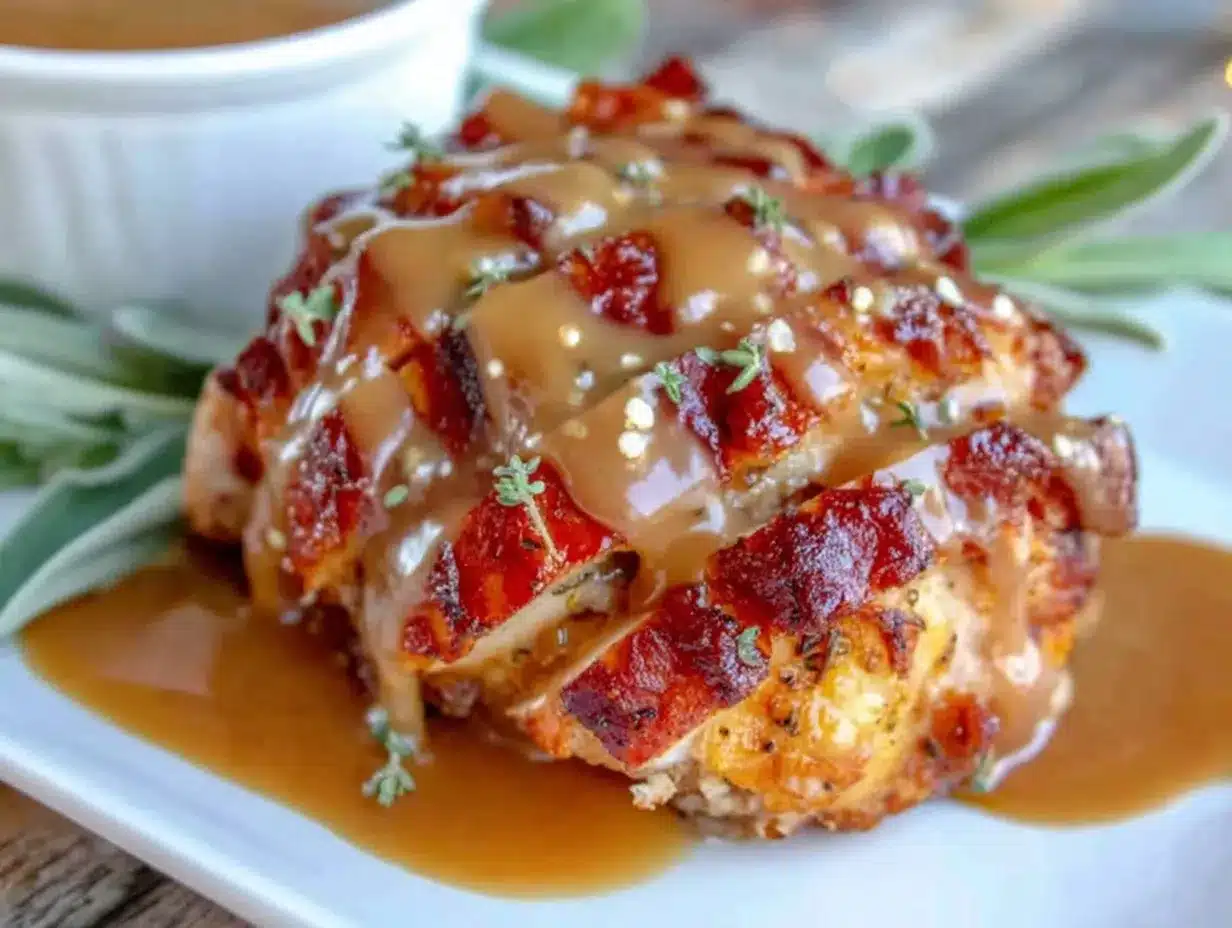
- Collect your pan drippings: After roasting your turkey, pour the drippings from the roasting pan into a fat separator or let it sit until the fat rises to the top. Spoon off about 2 tablespoons of fat (or butter if you don’t have enough fat) into your saucepan. This usually takes about 5 minutes.
- Make the roux: Heat the fat or butter over medium heat. Sprinkle in 2-3 tablespoons of all-purpose flour and whisk constantly for 2-3 minutes. The roux should turn a light golden brown—this cooks out the raw flour taste without getting too dark or bitter.
- Slowly add broth: Gradually whisk in 2 cups (480 ml) of warm chicken broth, stirring constantly to avoid lumps. If you want a thinner gravy, add more broth, up to 1 cup extra. This step takes roughly 5 minutes.
- Incorporate pan juices: Add the reserved pan drippings (without fat) to the gravy. This is where the deep, roasted flavor comes from. Stir well.
- Season and simmer: Add salt and freshly ground black pepper to taste. Toss in chopped fresh thyme or sage if using. Simmer the gravy gently for 5-7 minutes to thicken and develop flavor. Stir occasionally and watch for desired consistency.
- Adjust consistency: If the gravy is too thick, whisk in a little more broth or water. If too thin, make a slurry by mixing 1 teaspoon cornstarch with 1 tablespoon cold water and add it slowly while stirring.
- Optional finishing touch: A splash of dry white wine or sherry can be added at the end for complexity, but it’s not essential.
- Strain (optional): For an ultra-smooth texture, pour the gravy through a fine mesh strainer into a serving dish. This takes about 2 minutes but makes a big difference.
- Serve warm: Keep the gravy warm until ready to serve. If it thickens too much while waiting, just whisk in a little warm broth.
Pro tip: Whisking constantly during the roux and broth addition prevents lumps—a little patience here pays off. Also, tasting as you go helps balance the salt and pepper perfectly. I learned the hard way that underseasoned gravy is just sad gravy.
Cooking Tips & Techniques
Making gravy can feel intimidating, but a few tricks will make it stress-free and delicious every time.
- Don’t rush the roux: Cooking the flour in fat until golden is key. Raw flour taste is a common pitfall and can ruin your gravy.
- Warm your broth: Adding cold broth to the roux often causes lumps. Warm broth mixes in smoothly and thickens evenly.
- Whisk, whisk, whisk: Constant stirring is the secret to a silky texture. If you stop, lumps like to sneak in.
- Use a fat separator: It’s worth owning one. It helps control how much fat goes into your gravy, keeping it rich but not greasy.
- Adjust thickness gradually: It’s easier to thin gravy than to thicken it, so add liquids slowly.
- Season last: Salt can concentrate as the gravy reduces. Add a little at the start but adjust at the end for best flavor.
- Don’t forget the herbs: Fresh thyme or sage make the gravy smell like Thanksgiving, but don’t overpower it.
- Keep it warm: Gravy thickens as it cools. If you’re making ahead, reheat gently and stir in a splash of broth to revive it.
I once made gravy with cold broth and ended up with a lumpy, sad sauce—lesson learned the hard way! Also, multitasking works best if you make the gravy while the turkey is resting. That way, you won’t feel rushed and can give it the attention it deserves.
Variations & Adaptations
This gravy recipe is a great base to customize depending on your preferences, dietary needs, or what’s in the fridge.
- Vegetarian version: Skip pan drippings and use vegetable broth plus butter or olive oil. Add sautéed mushrooms for extra umami.
- Gluten-free: Substitute all-purpose flour with cornstarch or a gluten-free flour blend. Mix with cold water before adding to avoid lumps.
- Herb twist: Try rosemary or parsley instead of thyme or sage for a fresh change in flavor profile.
- Spicy kick: A pinch of cayenne or smoked paprika adds warmth without overwhelming the classic taste.
- Make-ahead: Prepare the gravy up to 2 days in advance and refrigerate. Reheat gently with a splash of broth to loosen.
One time, I added caramelized shallots from my green beans with caramelized shallots and mushrooms recipe into the gravy for a richer, slightly sweet flavor. It was a hit and felt like a festive upgrade without extra work.
Serving & Storage Suggestions
The best way to enjoy this gravy is warm and freshly stirred. Pour it generously over turkey slices, mashed potatoes, stuffing, or even roasted veggies. It pairs beautifully with dishes like honey-roasted butternut squash from this recipe or a classic green bean casserole.
To store, let the gravy cool to room temperature, then refrigerate in an airtight container for up to 3 days. For longer storage, freeze it in portions for up to 2 months. When reheating, thaw overnight in the fridge and warm gently on the stove, whisking in a little broth to bring back the silky texture.
Flavors actually deepen after a day or two, making leftovers a special treat. Just be mindful not to boil it during reheating, as that can cause separation. A gentle simmer and some whisking will have it back to perfect in minutes.
Nutritional Information & Benefits
This gravy is a relatively low-calorie addition that packs a lot of flavor without heavy cream or excess fat. A typical serving (about 1/4 cup or 60 ml) contains roughly 50-70 calories, mainly from fat and flour.
The key ingredients like butter and pan drippings provide richness, while chicken broth adds protein and minerals. Using fresh herbs brings antioxidants and a touch of freshness. For those watching carbs, this recipe is moderate and can be easily adapted gluten-free by swapping the flour.
One thing I appreciate is how this gravy offers comfort without the guilt of overly processed sauces or thickened cream bases. It feels indulgent but remains simple and wholesome, which fits right into a balanced holiday meal.
Conclusion
This perfect Thanksgiving gravy recipe has quietly become a staple in my kitchen because it’s just so dependable and delicious. It’s easy enough to whip up on a busy holiday, but special enough to make your feast feel complete. Whether you’re a gravy novice or a seasoned cook, this method will give you smooth, flavorful sauce every time—and that’s a gift in itself.
Feel free to tweak the herbs or broth to suit your taste, or even try some of the variations mentioned. What matters most is having that rich, velvety gravy to pour over your turkey, mashed potatoes, or stuffing (like the brioche stuffing with chestnuts and figs I love).
If you try this recipe, I’d love to hear how it saved your feast—or what special twist you added. Sharing your experience makes the kitchen stories even better. Here’s to many cozy, delicious Thanksgivings ahead, all tied together by that perfect drizzle of homemade gravy.
FAQs
How do I prevent lumps in my Thanksgiving gravy?
Whisk the flour and fat into a smooth roux over medium heat before adding warm broth slowly while stirring constantly. This helps avoid lumps forming.
Can I make this gravy ahead of time?
Yes! Prepare the gravy up to 2 days in advance and store in the fridge. Reheat gently with a splash of broth to restore smoothness.
What if I don’t have enough pan drippings?
Supplement with low-sodium chicken broth. The pan drippings add flavor, but broth keeps the gravy tasty and saucy.
Is this recipe gluten-free?
Not as written, but you can swap all-purpose flour for cornstarch or a gluten-free flour blend for a safe alternative.
Can I add other flavors to this gravy?
Absolutely! Fresh herbs like rosemary, or a pinch of smoked paprika, can add unique twists. Just add them during simmering for best results.
Pin This Recipe!
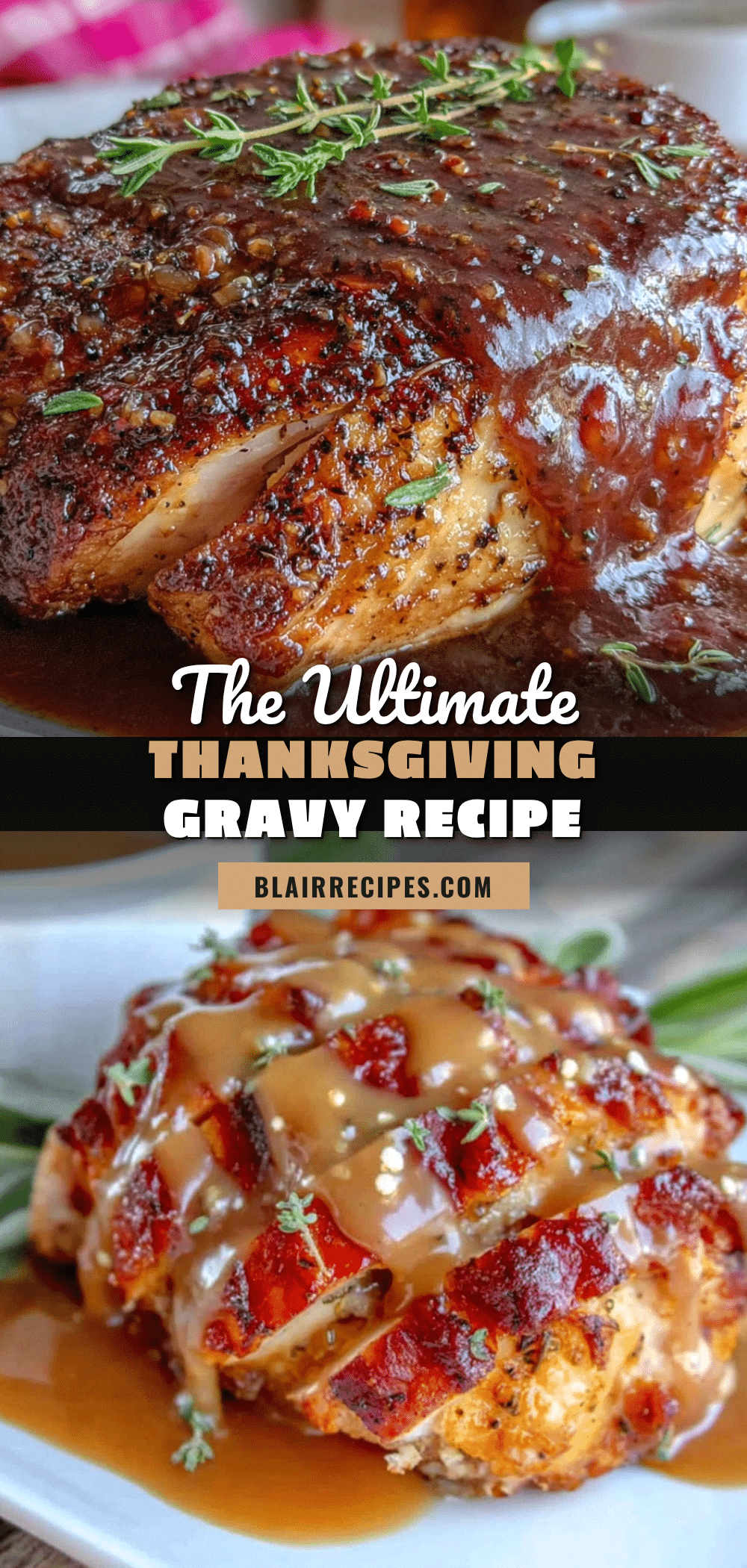
Perfect Thanksgiving Gravy Recipe

A smooth, flavorful, and easy homemade gravy recipe using turkey pan drippings, butter, and flour that saves your Thanksgiving feast with rich, comforting sauce.
- Prep Time: 5 minutes
- Cook Time: 15 minutes
- Total Time: 20 minutes
- Yield: 8 servings 1x
- Category: Sauce
- Cuisine: American
Ingredients
- Pan drippings from roasted turkey or chicken
- 2 tablespoons unsalted butter
- 2 to 3 tablespoons all-purpose flour
- 2 cups (16 fl oz) low-sodium chicken broth, warm
- Salt to taste
- Freshly ground black pepper to taste
- Optional: finely chopped fresh thyme or sage
- Optional: splash of dry white wine or sherry
Instructions
- Collect your pan drippings after roasting your turkey. Pour into a fat separator or let sit until fat rises to the top. Spoon off about 2 tablespoons of fat (or butter if not enough fat) into a saucepan.
- Heat the fat or butter over medium heat. Sprinkle in 2-3 tablespoons of all-purpose flour and whisk constantly for 2-3 minutes until the roux turns light golden brown.
- Gradually whisk in 2 cups of warm chicken broth, stirring constantly to avoid lumps. Add more broth up to 1 cup if a thinner gravy is desired.
- Add the reserved pan drippings (without fat) to the gravy and stir well.
- Season with salt and freshly ground black pepper to taste. Add chopped fresh thyme or sage if using. Simmer gently for 5-7 minutes, stirring occasionally until thickened.
- Adjust consistency if needed: whisk in more broth or water if too thick, or add a slurry of 1 teaspoon cornstarch mixed with 1 tablespoon cold water if needed.
- Optionally, add a splash of dry white wine or sherry for extra depth.
- For an ultra-smooth texture, strain the gravy through a fine mesh strainer into a serving dish.
- Serve warm. If gravy thickens while waiting, whisk in a little warm broth to loosen.
Notes
Whisk constantly during roux and broth addition to prevent lumps. Warm broth before adding to roux. Adjust seasoning at the end. Keep gravy warm and stir in broth if thickened. Can be made ahead and reheated gently with broth. For gluten-free, substitute flour with cornstarch or gluten-free flour blend mixed with cold water.
Nutrition
- Serving Size: 1/4 cup (60 ml)
- Calories: 60
- Sodium: 200
- Fat: 4
- Saturated Fat: 2.5
- Carbohydrates: 5
- Protein: 1
Keywords: Thanksgiving gravy, turkey gravy, homemade gravy, easy gravy recipe, holiday sauce, pan drippings gravy