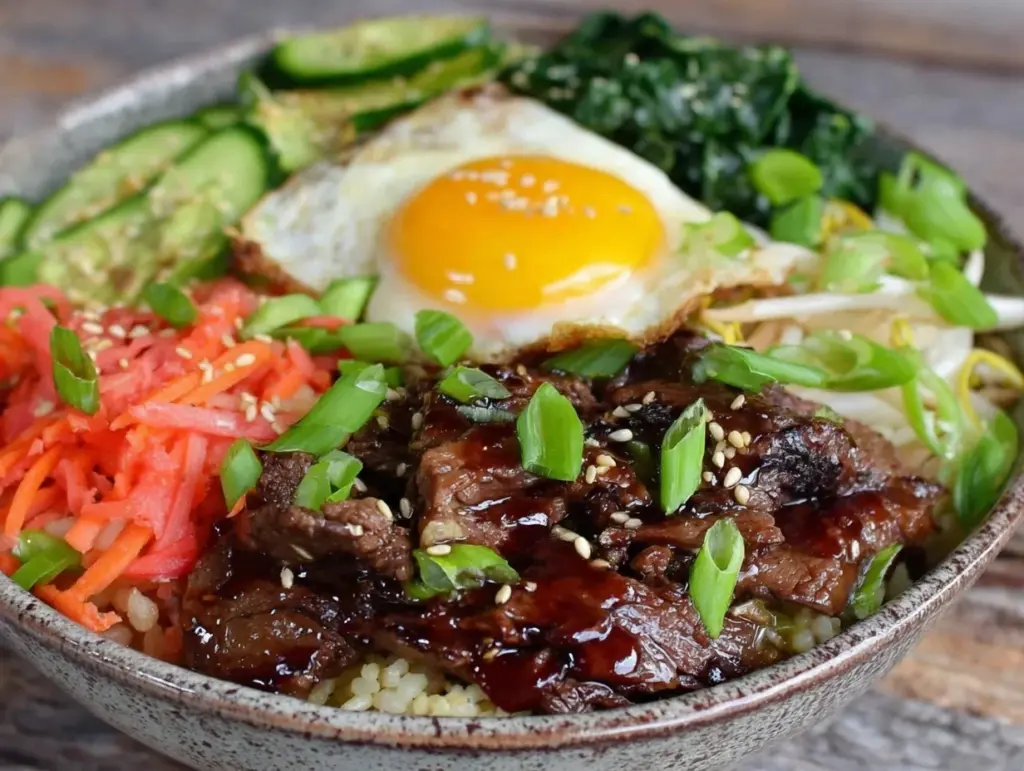
The sizzling aroma of marinated beef mingling with warm steamed rice and crisp vegetables—it’s hard to resist the charm of a Korean beef bibimbap bowl. I still remember the first time I whipped up this dish at home. Honestly, I was craving something comforting yet packed with flavor, and this recipe came to the rescue. The beauty of Korean beef bibimbap lies in its harmony—the perfect balance of savory, sweet, and spicy elements all in one bowl. And the best part? It’s surprisingly simple to make, even on a busy weeknight.
As someone who’s tested this Korean beef bibimbap bowl recipe more times than I can count, I can say it’s become a family favorite in my kitchen. The tender beef, fresh veggies, and that iconic gochujang sauce all come together in a way that feels both authentic and approachable. Whether you’re new to Korean cooking or a seasoned foodie looking for an easy homemade delight, this recipe hits the spot every time.
Plus, it’s versatile. You can tweak it to suit your taste buds or dietary needs without losing any of its soul-soothing goodness. So, if you’re ready to treat yourself to a vibrant, flavorful meal that’s as fun to make as it is to eat, let’s get started on this Korean beef bibimbap bowl recipe.
Why You’ll Love This Recipe
After making this Korean beef bibimbap bowl dozens of times, I can confidently say it’s one of those recipes that checks all the boxes. Here’s why:
- Quick & Easy: Comes together in about 30 minutes, perfect for busy weeknights or when you want a fuss-free meal.
- Simple Ingredients: You probably already have most of these staples in your pantry and fridge.
- Perfect for Any Occasion: Whether it’s a casual dinner, meal prep, or impressing friends, it fits the bill.
- Crowd-Pleaser: Kids and adults alike love the mix of textures and bold flavors.
- Unbelievably Delicious: The tender Korean beef paired with fresh veggies and a spicy-sweet kick is comfort food at its best.
What sets this Korean beef bibimbap bowl recipe apart is the marinating technique. I like to let the beef soak up the sauce just long enough to get that perfect flavor punch without overpowering the fresh vegetables. Also, blending a bit of toasted sesame oil into the rice adds a subtle nuttiness that makes every bite memorable. It’s not just another bibimbap—it’s my best version, perfected after many trial runs and taste tests.
Honestly, this dish feels like a warm hug after a long day, and I’m excited to share it with you.
What Ingredients You Will Need
This Korean beef bibimbap bowl recipe relies on straightforward, wholesome ingredients that come together effortlessly for a satisfying meal. Most are everyday items, with a few Korean staples that you might want to keep handy for this and other dishes.
- For the Beef Marinade:
- 1 pound (450g) ground beef (preferably lean, but a bit of fat adds flavor)
- 3 tablespoons soy sauce (I prefer Kikkoman for depth)
- 1 tablespoon sesame oil (toasted, for that signature nuttiness)
- 2 teaspoons brown sugar (balances the saltiness)
- 3 cloves garlic, minced (fresh is best!)
- 1 teaspoon freshly grated ginger (adds a gentle zing)
- 1/4 teaspoon black pepper
- For the Bibimbap Bowl:
- 2 cups cooked short-grain white rice (warm; jasmine rice works too if preferred)
- 1 cup fresh spinach leaves (lightly sautéed or blanched, drained well)
- 1 cup shredded carrots (raw for crunch)
- 1 cup bean sprouts (quickly blanched)
- 1 small cucumber, julienned (adds refreshing crunch)
- 2 large eggs (fried sunny-side up or to your liking)
- 2 tablespoons gochujang (Korean chili paste; adjust spiciness to taste)
- 1 teaspoon rice vinegar (for a subtle tang in the veggies)
- 1 tablespoon vegetable oil (neutral oil for stir-frying)
- 1 teaspoon toasted sesame seeds (for garnish)
- Optional: sliced green onions and nori strips for extra flavor and texture
If you can’t find bean sprouts or gochujang where you live, don’t sweat it! You can substitute mung bean sprouts or swap gochujang with a mix of chili paste and a touch of miso paste for umami. For a gluten-free option, tamari works perfectly in place of soy sauce.
Equipment Needed
- Non-stick skillet or frying pan – essential for cooking the ground beef evenly
- Medium saucepan or rice cooker – to cook your rice perfectly fluffy
- Small mixing bowls – for marinating and prepping veggies
- Vegetable peeler and sharp knife – for julienning cucumber and shredding carrots
- Spatula or wooden spoon – for stirring and mixing
- Optional: a small whisk or fork – to beat eggs if scrambling instead of frying
Personally, I love using a cast-iron skillet for beef because it gives a nice sear, but a good non-stick pan works just as well and is easier to clean. If you don’t have a rice cooker, no worries—a sturdy pot with a tight lid does the job fine. For quick cleanup, line your prep bowls with a damp kitchen towel to keep your workspace tidy.
Detailed Preparation Method
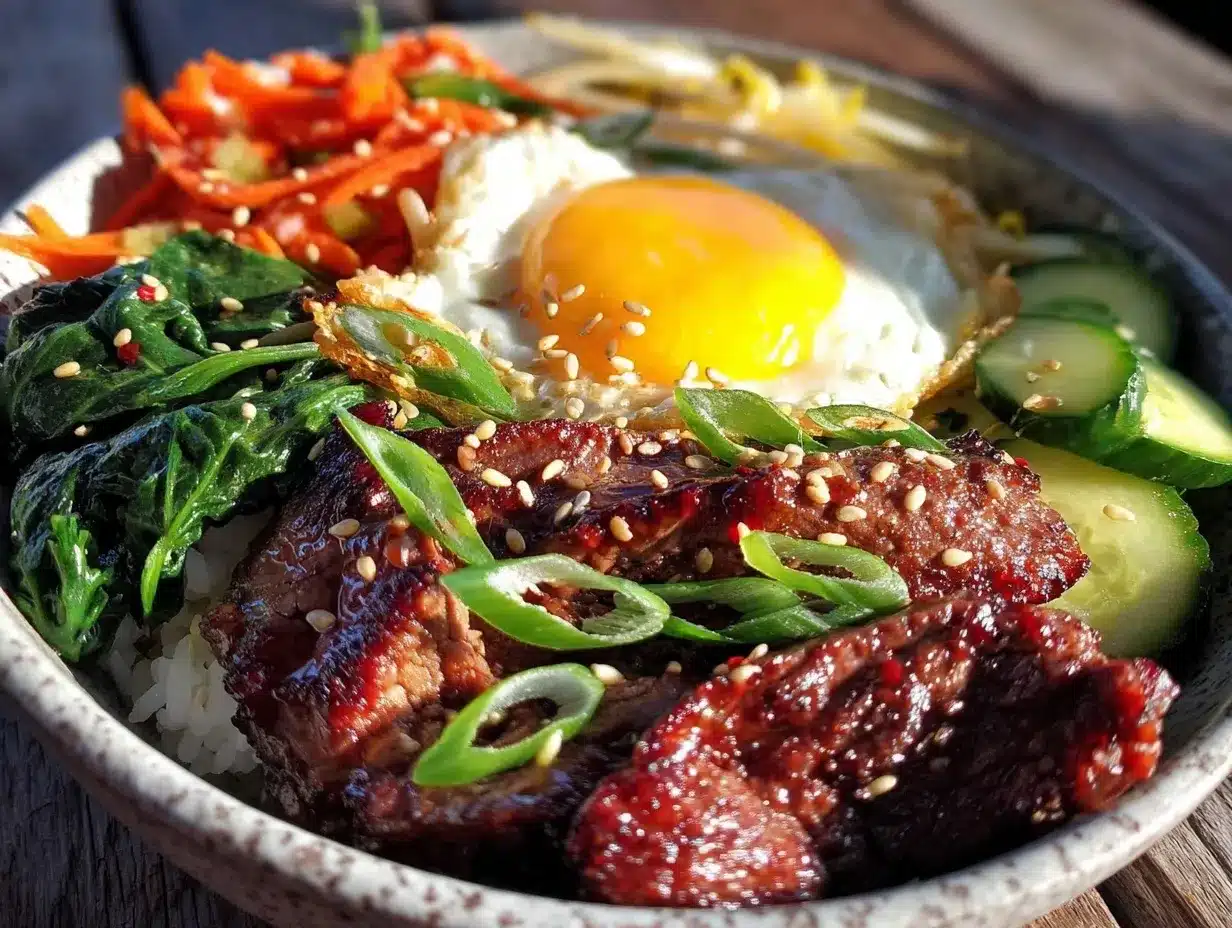
- Cook the rice: Rinse 1 cup (185g) of short-grain rice under cold water until the water runs clear. Add to a saucepan with 1 1/4 cups (300ml) water. Bring to a boil, then reduce heat to low, cover, and simmer for 15 minutes. Remove from heat and let it rest, covered, for 10 minutes. Fluff with a fork. (If using a rice cooker, follow your model’s instructions.)
- Prepare the beef marinade: In a medium bowl, combine ground beef, soy sauce, sesame oil, brown sugar, minced garlic, grated ginger, and black pepper. Mix thoroughly until well combined. Let sit for at least 10 minutes to soak up flavors. (If you have more time, marinate up to 30 minutes in the fridge for deeper flavor.)
- Cook the beef: Heat 1 tablespoon vegetable oil in a skillet over medium-high heat. Add marinated beef, breaking it up with a spatula. Cook for about 5-7 minutes until browned and cooked through. Drain excess fat if needed. Set aside and keep warm.
- Prepare the vegetables: Quickly blanch spinach and bean sprouts in boiling water for 1 minute, then drain and squeeze out excess water. Toss spinach with a pinch of salt and a drop of sesame oil. Julienne cucumber and shred carrots; toss carrots with a splash of rice vinegar for brightness.
- Cook the eggs: In a clean skillet, heat a little oil over medium heat. Crack eggs and cook sunny-side up until whites are set but yolks remain runny (or to your preference). Season lightly with salt.
- Assemble the bibimbap bowl: Scoop warm rice into bowls. Arrange cooked beef, spinach, carrots, bean sprouts, and cucumber artfully on top of the rice. Place fried egg gently in the center. Add a generous dollop of gochujang on the side or drizzle over everything, depending on your spice tolerance.
- Garnish and serve: Sprinkle with toasted sesame seeds, sliced green onions, and nori strips if using. Encourage everyone to mix the bowl thoroughly before eating to enjoy that signature bibimbap blend of flavors and textures.
Pro tip: If your gochujang is too thick or spicy, thin it with a little sesame oil or a splash of warm water to make it easier to mix in. And remember—taste as you go! Adjust seasoning with extra soy sauce or a pinch of sugar if needed.
Cooking Tips & Techniques
For a flawless Korean beef bibimbap bowl, a few tricks make all the difference. First, don’t rush the marinating step. Even a short 10-minute soak lets flavors seep into the beef, enhancing juiciness and taste. Also, breaking the beef into small pieces while cooking ensures even browning and a great texture.
Watch your heat carefully. Medium-high is best for searing the beef without burning it. If the pan gets too hot, the beef can toughen or crisp too much. Stir often but gently to keep it tender.
When preparing your veggies, blanching spinach and bean sprouts just briefly keeps them vibrant and crisp without sogginess. After blanching, pressing out excess water is key to avoid watery bowls.
Cooking the perfect sunny-side-up egg can be tricky—I like to cover the pan with a lid for part of the cooking time to help set the whites without flipping. If you prefer scrambled eggs, cook them low and slow for creamy results.
Finally, mixing your bibimbap bowl well before eating is crucial. You want every bite to have a bit of beef, veggie, rice, and that spicy-sweet gochujang punch. Trust me, it’s pure magic.
Variations & Adaptations
This Korean beef bibimbap bowl recipe is a great canvas for creativity. Here are some ways to mix it up:
- Vegetarian Version: Swap the beef for sautéed mushrooms or tofu marinated in the same sauce for a satisfying plant-based bowl.
- Spicy Kick: Add extra gochujang or a sprinkle of red pepper flakes if you crave more heat.
- Low-Carb Adaptation: Replace rice with cauliflower rice or shredded cabbage to reduce carbs while keeping the texture contrast.
- Seasonal Veggies: Swap the cucumber and carrots for roasted sweet potatoes, zucchini ribbons, or kimchi for a tangy twist.
- Different Proteins: Use thinly sliced beef sirloin or chicken breast if you prefer more texture variety.
One personal favorite is adding a spoonful of crushed peanuts or cashews on top for an unexpected crunch. It might sound odd, but the nutty texture pairs surprisingly well with the spicy and savory flavors.
Serving & Storage Suggestions
This Korean beef bibimbap bowl is best enjoyed fresh and warm. Serve it immediately after assembling to keep the veggies crisp and the egg runny. If you want to impress, present the ingredients separately in small bowls and let everyone build their own bowl—that’s a fun way to get the family involved.
If you have leftovers, store the components separately for best results. Keep cooked beef and rice in airtight containers in the fridge for up to 3 days. Vegetables like spinach and bean sprouts store well too but are best eaten within 1-2 days to maintain freshness.
When reheating, gently warm the rice and beef in a microwave or skillet. Avoid overheating the eggs—if you saved those, I recommend cooking fresh eggs to top your bowl.
Flavors develop over time, especially the marinated beef, so taste a bit before adjusting seasoning after reheating. Adding a fresh drizzle of sesame oil or a squeeze of lime juice can brighten the bowl beautifully.
Nutritional Information & Benefits
This Korean beef bibimbap bowl offers a balanced meal with protein, veggies, and carbs, making it hearty and satisfying. Per serving (based on 4 servings), it roughly contains:
| Nutrient | Amount |
|---|---|
| Calories | 450-500 kcal |
| Protein | 30g |
| Carbohydrates | 45g |
| Fat | 15g |
| Fiber | 5g |
The lean beef provides quality protein and iron, while the spinach and carrots add antioxidants, vitamins A and C, and fiber. Sesame oil and seeds contribute healthy fats and a lovely aroma. This bowl is naturally gluten-containing due to soy sauce but can easily be made gluten-free using tamari. It’s a wholesome meal perfect for those seeking balanced nutrition without sacrificing flavor.
Conclusion
If you’re looking for a meal that’s bursting with flavor, quick to prepare, and feels like a warm hug from the inside, this Korean beef bibimbap bowl recipe is your new go-to. It’s easy to customize, packed with vibrant textures, and totally satisfying. I love how it brings a little bit of Korean home cooking right to my table without any fuss.
Feel free to play around with the veggies and spice levels to make it truly yours. I’d love to hear how you make it your own, so don’t hesitate to share your tweaks or questions in the comments below. Give this recipe a try—you might just find your new favorite weeknight dinner!
Happy cooking and even happier eating!
FAQs About Korean Beef Bibimbap Bowl Recipe
What cut of beef is best for bibimbap?
Ground beef works great for ease and quick cooking, but thinly sliced sirloin or ribeye also makes a delicious alternative if you want a more authentic texture.
Can I make bibimbap without gochujang?
Yes! You can substitute gochujang with a mix of chili paste and a bit of miso or even spicy sriracha, but gochujang really gives that signature sweet-spicy kick.
How do I store leftovers?
Keep beef, rice, and veggies separate in airtight containers in the fridge for up to 3 days. Reheat components gently before assembling to keep textures fresh.
Is this recipe gluten-free?
It’s not by default because of soy sauce, but swapping with gluten-free tamari makes it safe for gluten-free diets.
Can I meal prep this recipe?
Absolutely! Prep all components ahead of time and assemble just before eating. Keep the egg fresh by cooking it the day you serve the bowl.
Pin This Recipe!
Korean Beef Bibimbap Bowl Recipe Easy 5-Step Homemade Delight

A flavorful and comforting Korean beef bibimbap bowl featuring marinated ground beef, fresh vegetables, warm rice, and spicy-sweet gochujang sauce. Quick and easy to prepare, perfect for busy weeknights.
- Prep Time: 15 minutes
- Cook Time: 15 minutes
- Total Time: 30 minutes
- Yield: 4 servings 1x
- Category: Main Course
- Cuisine: Korean
Ingredients
- 1 pound ground beef (preferably lean, but a bit of fat adds flavor)
- 3 tablespoons soy sauce
- 1 tablespoon toasted sesame oil
- 2 teaspoons brown sugar
- 3 cloves garlic, minced
- 1 teaspoon freshly grated ginger
- 1/4 teaspoon black pepper
- 2 cups cooked short-grain white rice (warm)
- 1 cup fresh spinach leaves (lightly sautéed or blanched, drained well)
- 1 cup shredded carrots (raw)
- 1 cup bean sprouts (quickly blanched)
- 1 small cucumber, julienned
- 2 large eggs (fried sunny-side up or to your liking)
- 2 tablespoons gochujang (Korean chili paste)
- 1 teaspoon rice vinegar
- 1 tablespoon vegetable oil
- 1 teaspoon toasted sesame seeds
- Optional: sliced green onions and nori strips
Instructions
- Cook the rice: Rinse 1 cup (185g) of short-grain rice under cold water until the water runs clear. Add to a saucepan with 1 1/4 cups (300ml) water. Bring to a boil, then reduce heat to low, cover, and simmer for 15 minutes. Remove from heat and let it rest, covered, for 10 minutes. Fluff with a fork.
- Prepare the beef marinade: In a medium bowl, combine ground beef, soy sauce, sesame oil, brown sugar, minced garlic, grated ginger, and black pepper. Mix thoroughly until well combined. Let sit for at least 10 minutes to soak up flavors (up to 30 minutes in fridge for deeper flavor).
- Cook the beef: Heat 1 tablespoon vegetable oil in a skillet over medium-high heat. Add marinated beef, breaking it up with a spatula. Cook for about 5-7 minutes until browned and cooked through. Drain excess fat if needed. Set aside and keep warm.
- Prepare the vegetables: Quickly blanch spinach and bean sprouts in boiling water for 1 minute, then drain and squeeze out excess water. Toss spinach with a pinch of salt and a drop of sesame oil. Julienne cucumber and shred carrots; toss carrots with a splash of rice vinegar.
- Cook the eggs: In a clean skillet, heat a little oil over medium heat. Crack eggs and cook sunny-side up until whites are set but yolks remain runny (or to your preference). Season lightly with salt.
- Assemble the bibimbap bowl: Scoop warm rice into bowls. Arrange cooked beef, spinach, carrots, bean sprouts, and cucumber on top of the rice. Place fried egg gently in the center. Add a dollop of gochujang on the side or drizzle over everything.
- Garnish and serve: Sprinkle with toasted sesame seeds, sliced green onions, and nori strips if using. Mix thoroughly before eating.
Notes
Marinate beef for at least 10 minutes for best flavor. Blanch spinach and bean sprouts briefly to keep them crisp. Adjust gochujang spiciness to taste; thin with sesame oil or warm water if too thick. Mix bowl well before eating for best flavor blend.
Nutrition
- Serving Size: 1 bowl (approximatel
- Calories: 475
- Fat: 15
- Carbohydrates: 45
- Fiber: 5
- Protein: 30
Keywords: Korean beef bibimbap, bibimbap recipe, Korean rice bowl, ground beef bibimbap, easy Korean dinner, gochujang recipe