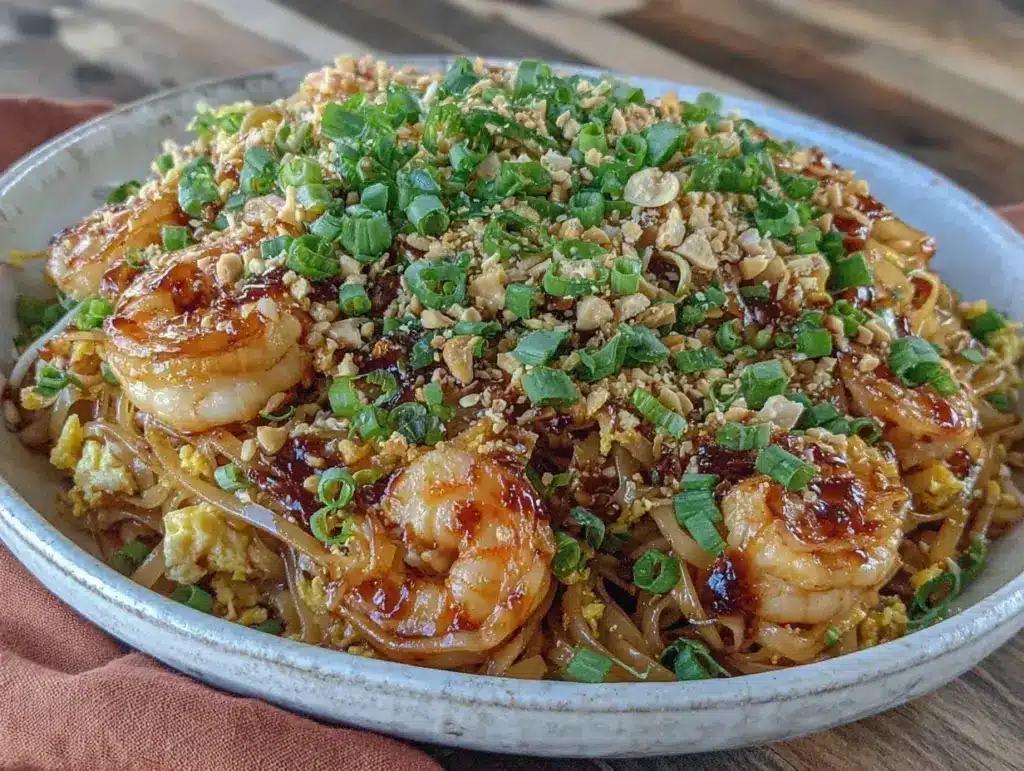
The sizzle of rice noodles hitting a hot wok, the tangy aroma of tamarind mingling with sweet palm sugar, and the crunch of crushed peanuts—honestly, authentic Pad Thai has a way of pulling me right back to the bustling streets of Bangkok. I first tried making this authentic Pad Thai recipe years ago after a spontaneous trip to Thailand, and let me tell you, it wasn’t easy nailing that perfect balance of flavors at home. But after tweaking the sauce and cooking method over countless weekends, I finally landed on a version that tastes just like the street vendors’—bold, balanced, and totally addictive.
This recipe isn’t just a list of ingredients thrown together; it’s a celebration of Thai culinary tradition that you can recreate without having to hunt down exotic markets. Whether you’re a seasoned foodie or a complete newbie to Thai cuisine, this authentic Pad Thai recipe offers a friendly, straightforward path to that classic tangy-sweet-savory flavor combo. Plus, it’s perfect for busy weeknights when you crave something impressive but don’t want to spend hours cooking.
After making this dish more times than I can count and sharing it with friends (who keep asking for the recipe), I’m confident this guide will help you whip up a plate of Pad Thai that’s just as satisfying as the ones I enjoyed on the streets of Thailand. So grab your wok, and let’s get cooking!
Why You’ll Love This Recipe
- Quick & Easy: From prep to plate in about 30 minutes, this recipe fits perfectly into a busy schedule.
- Simple Ingredients: No need for hard-to-find items; you probably have most of these essentials in your pantry already.
- Perfect for Any Occasion: Whether it’s a casual dinner, a weekend treat, or impressing friends at your next get-together, Pad Thai always hits the spot.
- Crowd-Pleaser: The mix of sweet, sour, salty, and crunchy textures is universally loved—kids, adults, everyone!
- Authentic Flavor: The blend of tamarind, fish sauce, and palm sugar creates that signature Pad Thai taste you’d expect from a street vendor in Bangkok.
This isn’t just another stir-fry—it’s the real deal. What sets this authentic Pad Thai recipe apart is the way the sauce is carefully balanced and the noodles get that perfect toss in the wok, absorbing every bit of flavor. Plus, the option to customize proteins or add extra veggies means you get a dish that hits every craving just right. Trust me, once you try this version, you’ll close your eyes with the first bite and savor the harmony of flavors that’s truly Thai soul food.
What Ingredients You Will Need
This authentic Pad Thai recipe calls for simple, fresh ingredients that combine to deliver a vibrant, flavorful dish without fuss. Most are pantry staples or easy to find at your local grocery or Asian market.
- Rice Noodles: 8 oz (225 g) flat rice noodles, soaked or cooked as per package instructions (I prefer medium-width for the best texture).
- Protein Options: 8 oz (225 g) shrimp, chicken, or firm tofu, cut into bite-sized pieces.
- Eggs: 2 large eggs, lightly beaten.
- Garlic: 3 cloves, minced (adds essential aroma).
- Shallots: 2 small, thinly sliced (for subtle sweetness).
- Bean Sprouts: 1 cup (adds crunch and freshness).
- Green Onions: 3 stalks, sliced diagonally.
- Crushed Peanuts: ½ cup (roasted unsalted peanuts, crushed for topping).
- Fresh Lime: Wedges for serving (brings brightness).
- Pad Thai Sauce:
- 3 tablespoons tamarind paste (look for a good-quality brand like Mae Pranom)
- 3 tablespoons fish sauce (I use Red Boat for depth of flavor)
- 2 tablespoons palm sugar or brown sugar (balances acidity)
- 1 tablespoon soy sauce (adds umami and saltiness)
- 1 teaspoon chili powder or to taste (optional, for heat)
- Cooking Oil: 2 tablespoons vegetable or peanut oil (for high-heat cooking).
For substitutions: If you need a vegetarian or vegan option, swap fish sauce with soy sauce or tamari, and use tofu as your protein. You can also adjust the sugar level depending on your preferred sweetness. Look for firm, fresh ingredients for the best results, especially fresh bean sprouts and green onions—they really brighten the final dish.
Equipment Needed
- Wok or Large Skillet: A wok is ideal for that authentic stir-fry sear and quick cooking, but a large non-stick skillet works fine if you don’t have one.
- Mixing Bowls: For preparing sauce and marinating protein.
- Knife & Cutting Board: Sharp knife for chopping garlic, shallots, and slicing proteins.
- Spatula or Wooden Spoon: For stirring and tossing the noodles evenly.
- Measuring Spoons & Cups: To get the sauce balance just right.
If you’re on a budget, a sturdy skillet will do the job without breaking the bank. I’ve found that a well-seasoned carbon steel wok lasts for years and gives the best heat distribution. Just remember to clean and dry it properly after each use to keep that non-stick surface going strong.
Detailed Preparation Method
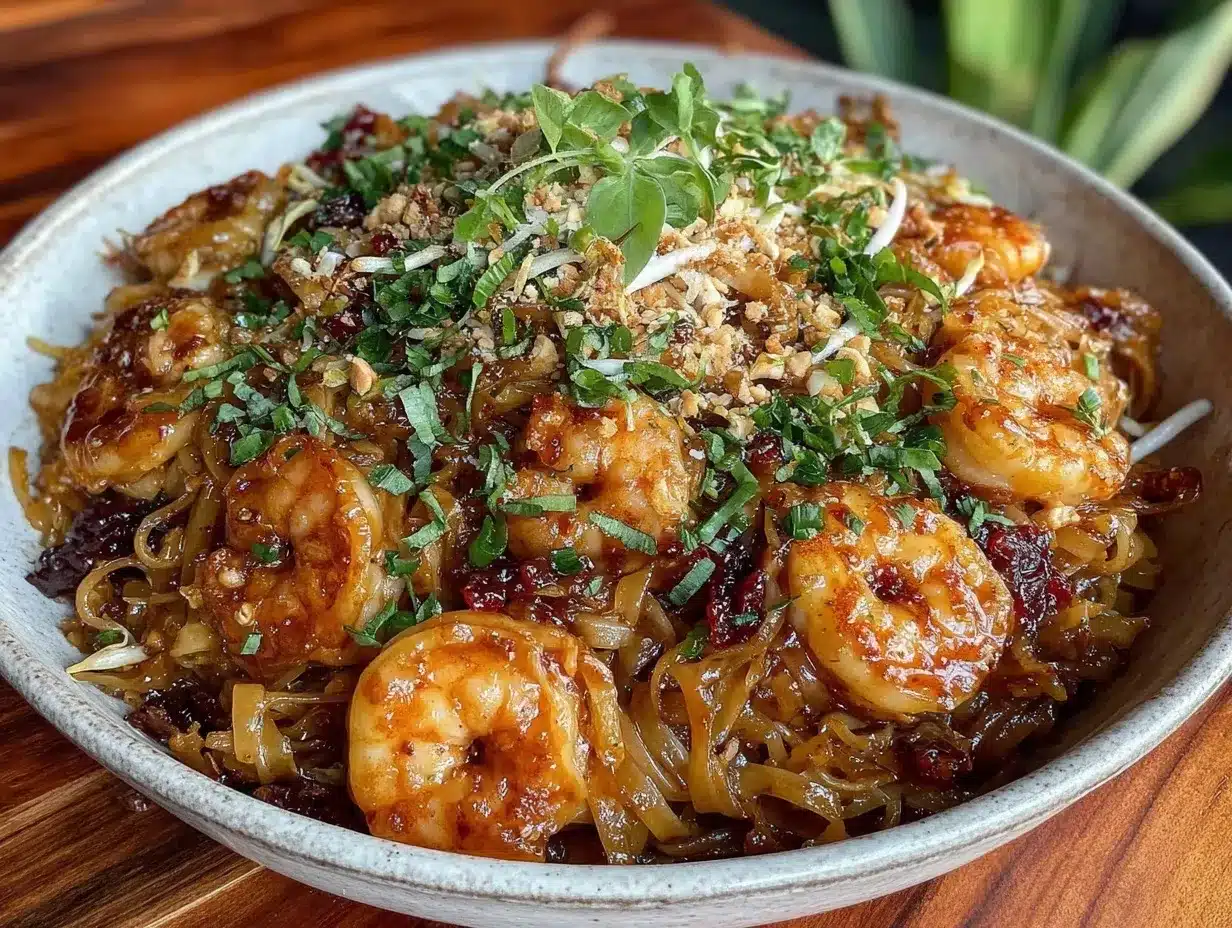
- Prep the Noodles: Soak 8 oz (225 g) flat rice noodles in warm water for about 20-30 minutes until pliable but not mushy. Drain and set aside. (If using fresh noodles, just loosen them up by separating carefully.)
- Make the Sauce: In a small bowl, whisk together 3 tablespoons tamarind paste, 3 tablespoons fish sauce, 2 tablespoons palm sugar, 1 tablespoon soy sauce, and 1 teaspoon chili powder (if using). Taste and adjust sweetness or tang as you like. Set aside.
- Prepare the Protein: Pat dry 8 oz (225 g) shrimp, chicken, or tofu pieces. Heat 1 tablespoon oil in your wok over medium-high heat. Add protein and stir-fry until cooked through—shrimp should turn pink and curl up, chicken should no longer be pink inside, tofu should be golden. Remove and set aside.
- Sauté Aromatics: Add the remaining 1 tablespoon oil to the wok. Toss in minced garlic and sliced shallots; stir quickly until fragrant and softened, about 30 seconds to 1 minute. Don’t let them burn!
- Cook the Eggs: Push garlic and shallots to the side. Pour in lightly beaten eggs and scramble gently until just set but still moist.
- Toss in the Noodles: Add the drained rice noodles to the wok. Pour the prepared sauce over the noodles and toss constantly to coat evenly and heat through, about 2-3 minutes. The noodles should soak up the sauce and become glossy.
- Add Protein and Veggies: Return cooked protein to the wok along with 1 cup bean sprouts and sliced green onions. Toss everything together quickly to mix and warm the veggies without losing their crunch.
- Final Touches: Remove from heat. Plate the Pad Thai and sprinkle generously with crushed peanuts. Serve immediately with fresh lime wedges on the side for squeezing.
Quick tip: Stir-frying on high heat is key for that authentic charred flavor. If your wok isn’t hot enough, the noodles might get soggy instead of perfectly coated. Also, don’t overcook the eggs—they should be tender and slightly creamy.
Cooking Tips & Techniques
One of the trickiest parts of making authentic Pad Thai is timing everything just right. You want the noodles tender but not mushy, the sauce perfectly balanced, and the protein cooked without drying out. Here’s what I’ve learned from many attempts:
- Soak, Don’t Boil: Soaking the rice noodles instead of boiling prevents them from overcooking during the stir-fry step.
- High Heat, Fast Stir-Fry: Use high heat and keep stirring. This technique gives you that signature wok hei—the slightly smoky, seared taste.
- Prep Everything Beforehand: Once you start cooking, things move fast. Have all ingredients chopped and sauce mixed before heating the wok.
- Balance the Sauce: Tamarind paste can vary in tartness. Taste your sauce and tweak the sugar or fish sauce to get that perfect sweet-sour-salty harmony.
- Avoid Overcrowding: Cook protein in batches if needed. Crowding the wok lowers the temperature, causing steaming instead of searing.
Honestly, I once ruined a batch by adding too many noodles at once—ended up with a sticky mess instead of a vibrant stir-fry. Learning from that, I now keep things balanced and it’s paid off every time in delicious results.
Variations & Adaptations
This authentic Pad Thai recipe is a great base for endless variations that suit your taste or dietary needs:
- Vegetarian/Vegan: Swap fish sauce for soy sauce or tamari, use tofu or extra veggies, and skip the eggs for a plant-based delight.
- Spicy Kick: Add fresh Thai chilies or a splash of Sriracha to the sauce or as a topping for those who like heat.
- Protein Swap: Try thinly sliced beef, scallops, or even crab meat for a seafood twist.
- Gluten-Free: Use tamari instead of soy sauce and double-check that your rice noodles are certified gluten-free.
- Seasonal Veggies: Toss in shredded carrots, bell peppers, or snap peas for extra crunch and color.
One favorite variation I love is adding a handful of fresh Thai basil leaves at the end for an herby freshness that brightens the whole dish. Trust me, it’s a game-changer.
Serving & Storage Suggestions
Serve your Pad Thai piping hot with lime wedges on the side—squeezing fresh lime juice over the top just before eating really wakes up the flavors. Garnish generously with crushed peanuts and a sprinkle of fresh cilantro or chopped green onions for that extra pop.
This dish pairs beautifully with light, crisp sides like a simple cucumber salad or steamed jasmine rice if you want more carbs. For drinks, a cold Thai iced tea or a crisp lager complements Pad Thai’s bold flavors perfectly.
If you have leftovers, store them in an airtight container in the fridge for up to 2 days. Reheat gently in a skillet or microwave, adding a splash of water to loosen the noodles. Flavors meld nicely overnight, but the bean sprouts and peanuts are best added fresh when serving again.
Nutritional Information & Benefits
Per serving, this authentic Pad Thai recipe provides approximately 450-550 calories, depending on protein choice. It offers a good balance of carbohydrates from the rice noodles, protein from shrimp, chicken, or tofu, and healthy fats from peanuts and oil.
Tamarind paste is rich in antioxidants and can aid digestion, while peanuts add heart-healthy monounsaturated fats and protein. Using fresh veggies like bean sprouts and green onions boosts fiber and vitamins.
This dish is naturally gluten-free when using the right soy sauce alternatives and can be made dairy-free, making it suitable for many dietary preferences. Just watch the sodium content if you’re sensitive—fish sauce and soy sauce pack salt, so adjusting quantities for your taste and health needs is smart.
Conclusion
This authentic Pad Thai recipe is your ticket to creating a restaurant-worthy meal right in your kitchen. It’s straightforward, fast, and packed with the classic Thai flavors that keep you coming back for more. I love how flexible it is—you can swap proteins, tweak spice levels, or add your favorite veggies to make it truly your own.
Give this recipe a try, and don’t be shy about sharing your own twists or questions below. Cooking Pad Thai at home might seem intimidating at first, but with this easy step-by-step guide, you’ll be impressing family and friends in no time. Happy cooking and enjoy every delicious bite!
Frequently Asked Questions
What type of noodles should I use for Pad Thai?
Flat rice noodles, about ¼ inch (6 mm) wide, are traditional. Medium-width noodles work best as they absorb the sauce well without getting mushy.
Can I make Pad Thai vegetarian or vegan?
Yes! Replace fish sauce with soy sauce or tamari, skip eggs or use scrambled tofu, and add extra veggies or tofu for protein.
How do I prevent noodles from sticking together?
Soak noodles in warm water until pliable, then drain well before cooking. Toss noodles quickly in the hot wok with sauce to coat evenly and avoid clumps.
Is tamarind paste necessary?
Tamarind paste provides the signature tangy flavor in Pad Thai. If you can’t find it, a mix of lime juice and a touch of vinegar can be a substitute, but the flavor won’t be quite the same.
Can I prepare Pad Thai ahead of time?
You can prep ingredients and sauce in advance, but it’s best to cook and serve Pad Thai fresh for optimal texture and flavor. Leftovers can be refrigerated and reheated within 2 days.
Pin This Recipe!
Authentic Pad Thai Recipe Easy Step-by-Step Guide for Perfect Flavor

This authentic Pad Thai recipe delivers the classic tangy-sweet-savory flavor of Thai street food with simple ingredients and quick preparation, perfect for busy weeknights or impressing guests.
- Prep Time: 10 minutes
- Cook Time: 15 minutes
- Total Time: 25 minutes
- Yield: 4 servings 1x
- Category: Main Course
- Cuisine: Thai
Ingredients
- 8 oz (225 g) flat rice noodles, soaked or cooked as per package instructions
- 8 oz (225 g) shrimp, chicken, or firm tofu, cut into bite-sized pieces
- 2 large eggs, lightly beaten
- 3 cloves garlic, minced
- 2 small shallots, thinly sliced
- 1 cup bean sprouts
- 3 stalks green onions, sliced diagonally
- ½ cup crushed roasted unsalted peanuts
- Fresh lime wedges for serving
- 3 tablespoons tamarind paste
- 3 tablespoons fish sauce
- 2 tablespoons palm sugar or brown sugar
- 1 tablespoon soy sauce
- 1 teaspoon chili powder (optional)
- 2 tablespoons vegetable or peanut oil
Instructions
- Soak 8 oz (225 g) flat rice noodles in warm water for 20-30 minutes until pliable but not mushy. Drain and set aside.
- In a small bowl, whisk together 3 tablespoons tamarind paste, 3 tablespoons fish sauce, 2 tablespoons palm sugar, 1 tablespoon soy sauce, and 1 teaspoon chili powder (if using). Taste and adjust sweetness or tang as desired. Set aside.
- Pat dry 8 oz (225 g) shrimp, chicken, or tofu pieces. Heat 1 tablespoon oil in a wok over medium-high heat. Add protein and stir-fry until cooked through. Remove and set aside.
- Add remaining 1 tablespoon oil to the wok. Toss in minced garlic and sliced shallots; stir quickly until fragrant and softened, about 30 seconds to 1 minute.
- Push garlic and shallots to the side. Pour in lightly beaten eggs and scramble gently until just set but still moist.
- Add drained rice noodles to the wok. Pour prepared sauce over noodles and toss constantly to coat evenly and heat through, about 2-3 minutes.
- Return cooked protein to the wok along with 1 cup bean sprouts and sliced green onions. Toss everything together quickly to mix and warm the veggies without losing their crunch.
- Remove from heat. Plate the Pad Thai and sprinkle generously with crushed peanuts. Serve immediately with fresh lime wedges.
Notes
Use high heat and keep stirring to achieve the signature wok hei flavor. Soak noodles instead of boiling to prevent mushiness. Adjust sauce sweetness and tang to taste. Cook protein in batches to avoid overcrowding the wok. Add fresh lime juice just before serving for brightness. For vegetarian or vegan versions, replace fish sauce with soy sauce or tamari and omit eggs or use scrambled tofu.
Nutrition
- Serving Size: 1 plate (approximate
- Calories: 500
- Sugar: 10
- Sodium: 900
- Fat: 22
- Saturated Fat: 3.5
- Carbohydrates: 55
- Fiber: 3
- Protein: 25
Keywords: Pad Thai, Thai recipe, rice noodles, stir-fry, authentic Pad Thai, easy Pad Thai, Thai street food, shrimp Pad Thai, chicken Pad Thai, tofu Pad Thai