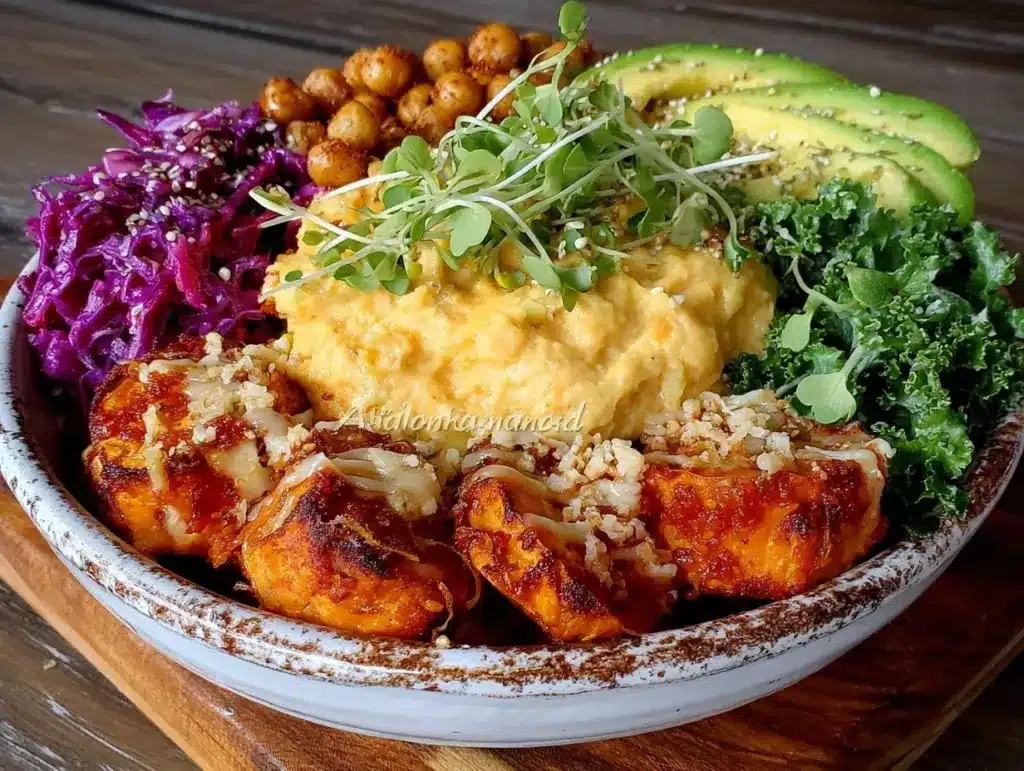
The crunch of fresh vegetables, the subtle tang of fermented foods, and the warmth of hearty grains all come together in one bowl — it’s honestly a little celebration of flavors and textures. I first stumbled upon this prebiotic-rich Buddha bowl during a phase when I was really focused on gut health, trying to find meals that were as nourishing as they were delicious. This recipe quickly became a staple in my kitchen; it’s like eating a colorful garden that’s boosting my digestion and energy, all at once.
What makes this nourishing prebiotic-rich Buddha bowl stand out is how it combines simple, natural ingredients that feed your gut-friendly bacteria while giving your body a vibrant nutrient boost. I’ve made this recipe dozens of times — tweaking the veggies depending on the season, experimenting with different grains, and always coming back to the base because it just works so well. For anyone who’s looking to feel lighter, more energized, or just wanting a wholesome meal without the fuss, this Buddha bowl hits the spot every time.
Whether you’re a seasoned health nut or just starting to explore gut-friendly recipes, this prebiotic-rich Buddha bowl is a fantastic way to enjoy a tasty, balanced meal that supports your overall wellness. I promise, once you get a taste, you’ll want to make it a regular part of your routine.
Why You’ll Love This Recipe
- Quick & Easy: Comes together in about 30 minutes, perfect for busy weeknights or a nourishing lunch on the go.
- Simple Ingredients: Most of the ingredients are pantry staples or fresh produce you can find at any market.
- Perfect for Any Occasion: Whether it’s a casual weekday meal or a vibrant addition to your weekend brunch, this bowl fits right in.
- Crowd-Pleaser: Even picky eaters tend to enjoy the balance of texture and flavor — the crunchy veggies paired with creamy avocado is a hit!
- Unbelievably Delicious: The combination of sweet, tangy, and savory notes creates a satisfying and soul-warming meal.
What sets this Buddha bowl apart is the intentional inclusion of prebiotic-rich foods like chicory root, garlic, and raw onions that feed your gut flora. I blend these with fermented veggies to amplify the health benefits while keeping the flavors bright and fresh. It’s not just a bowl of greens; it’s a gut-loving powerhouse that’s also a feast for the senses.
Honestly, after the first bite, you feel that comforting yet invigorating sensation — kind of like a gentle wake-up call for your digestive system. This isn’t just another salad; it’s a nourishing ritual that makes you feel cared for from the inside out.
What Ingredients You Will Need
This nourishing prebiotic-rich Buddha bowl brings together wholesome, easy-to-find ingredients that each play a role in building flavor, texture, and gut health. Here’s what you’ll grab before you start:
- For the Base:
- 1 cup cooked quinoa (about 185g) — I prefer organic quinoa for its nuttiness and texture
- 1/2 cup cooked chickpeas (about 125g) — canned works fine; rinse well to reduce sodium
- Fresh Veggies & Prebiotics:
- 1 cup shredded red cabbage (adds crunch and color)
- 1/2 cup chopped dandelion greens or kale (prebiotic-rich and slightly bitter)
- 1/4 cup finely sliced raw red onion (great source of inulin prebiotic fiber)
- 1 small garlic clove, minced (raw for maximum prebiotic punch)
- 1/2 cup sliced radishes (adds peppery crispness)
- Fermented Foods:
- 1/4 cup sauerkraut or kimchi (choose one you love for tang and probiotics)
- Healthy Fats & Extras:
- 1/2 ripe avocado, sliced (creamy texture and good fats)
- 1 tablespoon toasted pumpkin seeds (adds crunch and nutrients)
- Dressing:
- 2 tablespoons extra virgin olive oil (I use California Olive Ranch for its peppery finish)
- 1 tablespoon fresh lemon juice (brightens the bowl)
- 1 teaspoon Dijon mustard (for a little zing)
- Salt and freshly ground black pepper, to taste
Feel free to swap in seasonal veggies — in summer, juicy cucumbers or fresh peas would add a lovely twist. For a gluten-free option, quinoa is already perfect, but you can swap chickpeas for lentils if you prefer. I’ve also tried this with a little fermented miso paste in the dressing for an umami boost.
Equipment Needed
- A medium saucepan or rice cooker — for cooking quinoa perfectly fluffy every time
- A large mixing bowl — to toss all the fresh ingredients and dressing together easily
- A sharp chef’s knife — for slicing veggies finely and safely
- A cutting board — I keep a separate one for veggies to avoid cross-contamination
- A small whisk or fork — to blend the dressing smoothly
- Optional: a salad spinner — for washing and drying greens thoroughly (trust me, it makes a difference!)
If you don’t have a rice cooker, no worries — just watch your water-to-quinoa ratio carefully. I’ve found that a heavy-bottomed pot works great to avoid sticking. For budget-friendly tools, a basic whisk and a sturdy knife from your local store will do just fine.
Preparation Method
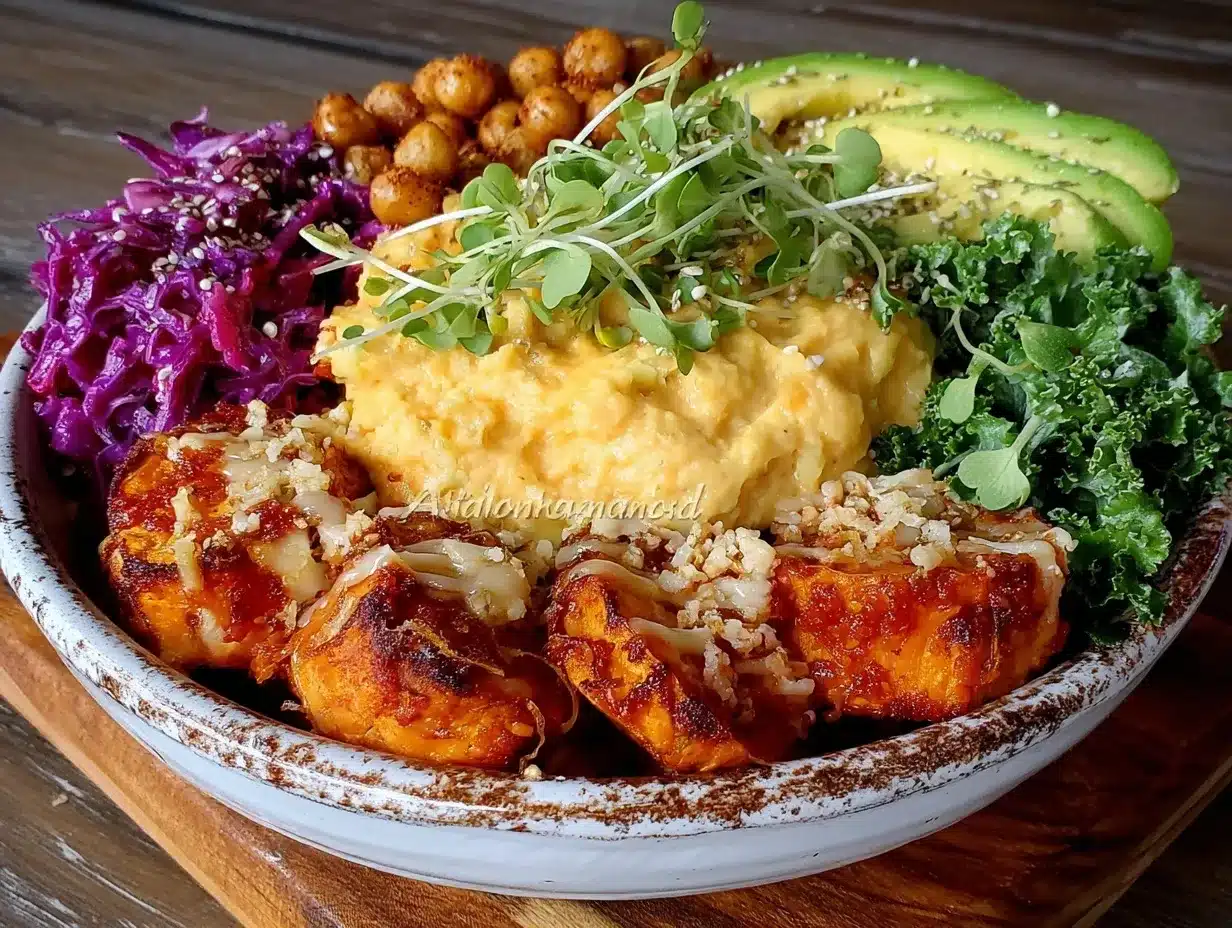
- Cook the quinoa: Rinse 1 cup (170g) quinoa under cold water to remove bitterness. Add it to a medium saucepan with 2 cups (475ml) water. Bring to a boil, then reduce heat to low, cover, and simmer for 15 minutes. Turn off heat and let it sit covered for 5 minutes. Fluff with a fork and set aside to cool slightly.
- Prepare the chickpeas: If using canned, drain and rinse 1/2 cup (125g) chickpeas thoroughly to remove excess sodium. For extra flavor, you can sauté them quickly in a dry pan over medium heat for 3-4 minutes until slightly crispy, but that’s optional.
- Chop the fresh veggies: While quinoa cooks, finely shred 1 cup red cabbage and chop 1/2 cup dandelion greens or kale. Thinly slice 1/4 cup red onion and 1/2 cup radishes. Mince 1 garlic clove very finely to avoid overpowering bites.
- Make the dressing: In a small bowl, whisk together 2 tablespoons extra virgin olive oil, 1 tablespoon lemon juice, 1 teaspoon Dijon mustard, and a pinch of salt and pepper. Taste and adjust acidity if needed — you want a bright, balanced dressing that complements the veggies.
- Assemble the bowl: In a large bowl, combine the quinoa, chickpeas, cabbage, greens, onion, radishes, and garlic. Add 1/4 cup sauerkraut or kimchi, folding gently to mix in the fermented tang without bruising the veggies.
- Add dressing and toppings: Pour the dressing over the bowl and toss everything together well, so every bite is flavorful. Top with sliced avocado and sprinkle 1 tablespoon toasted pumpkin seeds for crunch.
- Final touches: Taste and season with extra salt or lemon juice if you like. Serve immediately or refrigerate for up to 2 days — flavors will meld and deepen overnight, making it even tastier.
When tossing, be gentle — you want to keep the cabbage crisp and the avocado intact. If you prep ahead, keep the avocado separate until serving to avoid browning. I learned the hard way that raw garlic can be strong, so mince it finely and mix well to distribute flavor evenly.
Cooking Tips & Techniques
One thing I always remind myself — and anyone I share this recipe with — is not to overcook the quinoa. It should be fluffy, not mushy. Rinsing quinoa before cooking is a must; it removes saponins that give a bitter taste.
When handling raw garlic and onions, slicing or mincing very finely helps prevent overwhelming bites. If you’re new to fermented foods like sauerkraut or kimchi, start with smaller amounts to let your palate adjust.
Using fresh lemon juice right before serving brightens the whole bowl, but adding it too early can make veggies soggy. So, dress just before eating. Toasting pumpkin seeds in a dry pan for a couple of minutes really brings out their nutty flavor — don’t skip this step if you want that extra wow factor.
I also like to prep all veggies ahead and keep them chilled; it saves time and keeps the bowl crisp. When mixing, use a large bowl to avoid squashing the ingredients. Oh, and if you want creamier texture, mash a bit of avocado into the dressing for a silky finish.
Variations & Adaptations
This nourishing prebiotic-rich Buddha bowl is pretty versatile — here are a few ways I’ve tweaked it to keep things fresh:
- Seasonal Swap: In fall or winter, swap raw cabbage for roasted Brussels sprouts or sweet potatoes for warmth and a cozy vibe.
- Protein Boost: Add grilled chicken, baked tofu, or a soft-boiled egg for extra protein if you want a more filling meal.
- Spice It Up: Stir in a teaspoon of harissa or sprinkle chili flakes into the dressing for a kick of heat.
- Allergen-Friendly: For nut allergies, swap pumpkin seeds with toasted sunflower seeds or hemp hearts.
- Cooking Method: Try steaming kale instead of raw for a gentler flavor and easier digestion — perfect if you’re new to greens.
One of my personal favorite twists is adding a dollop of plain Greek yogurt mixed with fresh herbs on top — it adds creaminess and a cooling contrast that’s just dreamy.
Serving & Storage Suggestions
This Buddha bowl is best served fresh at room temperature or lightly chilled. The textures — crunchy cabbage, creamy avocado, tangy fermented veggies — really shine when the bowl isn’t too cold or hot. I like to plate it in a wide bowl so the colors pop and you can see every ingredient clearly; it just makes it more inviting.
Pair it with a crisp white wine or a cold herbal iced tea, like mint or chamomile, to complement the fresh, vibrant flavors. It also works well alongside warm soups or light grilled dishes if you’re serving it as part of a bigger meal.
Leftovers keep well in an airtight container in the fridge for up to 2 days. Just keep the avocado separate if possible to avoid browning. When reheating, skip the microwave if you want to preserve crunch; instead, let it come to room temperature or give the grains a quick warm-up on the stovetop.
After a day, the flavors meld beautifully — the dressing seeps into the quinoa and veggies, making every bite even more flavorful. So, if you can wait, leftovers might just be your favorite!
Nutritional Information & Benefits
This nourishing prebiotic-rich Buddha bowl clocks in at roughly 450 calories per serving, packed with fiber (about 12g), plant-based protein (15g), and healthy fats from avocado and olive oil. The prebiotic ingredients like garlic, onion, and dandelion greens feed your gut microbiome, promoting better digestion and immune health.
Quinoa provides a complete protein source and is gluten-free, making this bowl suitable for many dietary needs. The fermented sauerkraut adds probiotics that balance gut flora, while fresh veggies deliver antioxidants and essential vitamins.
From a wellness perspective, I find this bowl keeps my energy steady and digestion smooth — perfect for those who want a nourishing meal that supports long-term health without sacrificing flavor or satisfaction.
Conclusion
If you’re looking for a meal that feels as good as it tastes, this nourishing prebiotic-rich Buddha bowl is a no-brainer. It’s colorful, wholesome, and packed with ingredients that your gut will thank you for. I love how easy it is to pull together, and how flexible it is for whatever you have on hand.
Don’t hesitate to make it your own — swap veggies, adjust seasoning, and add your favorite toppings. This recipe is a canvas for your creativity and wellness journey. Give it a try, and let me know how you customize yours! I’d love to hear your twists and tips in the comments.
Here’s to vibrant health, one delicious bowl at a time!
Frequently Asked Questions
What makes this Buddha bowl prebiotic-rich?
It includes ingredients like garlic, onions, dandelion greens, and fermented foods such as sauerkraut, all known to feed beneficial gut bacteria.
Can I make this recipe vegan?
Absolutely! This recipe is naturally vegan if you skip any optional animal protein additions and use plant-based fats and dressings.
How long can I store leftovers?
Store leftovers in an airtight container in the fridge for up to 2 days. Keep avocado separate to avoid browning.
Can I use other grains instead of quinoa?
Yes, brown rice, farro, or millet are great alternatives and will work well with the flavors of this bowl.
Is it okay to use cooked garlic instead of raw?
Raw garlic provides the most prebiotic benefits, but if you prefer a milder flavor, lightly roasting it is fine — just note the prebiotic content may be reduced.
Pin This Recipe!
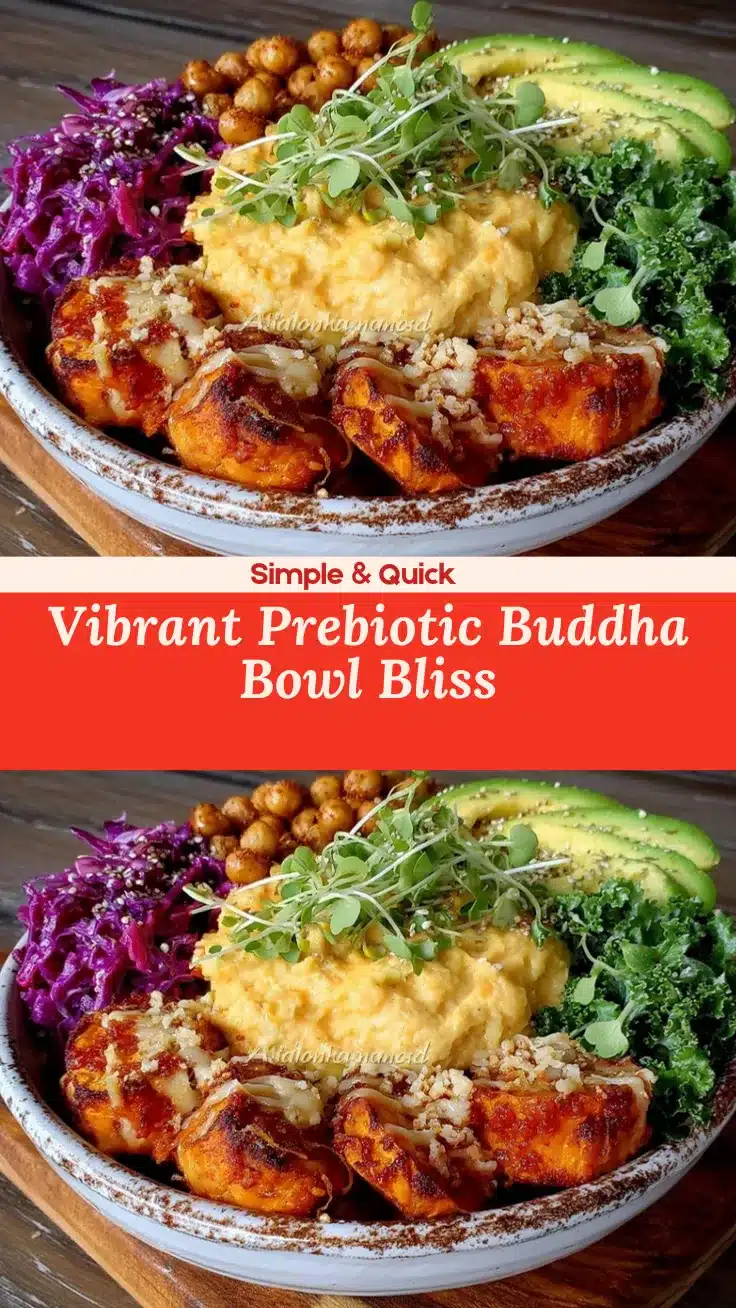
Nourishing Prebiotic-Rich Buddha Bowl Recipe for Vibrant Health Benefits

A colorful, gut-friendly Buddha bowl combining fresh vegetables, fermented foods, and hearty grains to boost digestion and energy with vibrant flavors and textures.
- Prep Time: 10 minutes
- Cook Time: 20 minutes
- Total Time: 30 minutes
- Yield: 2 servings 1x
- Category: Main Course
- Cuisine: Fusion, Health-Focused
Ingredients
- 1 cup cooked quinoa (about 185g)
- 1/2 cup cooked chickpeas (about 125g), rinsed
- 1 cup shredded red cabbage
- 1/2 cup chopped dandelion greens or kale
- 1/4 cup finely sliced raw red onion
- 1 small garlic clove, minced
- 1/2 cup sliced radishes
- 1/4 cup sauerkraut or kimchi
- 1/2 ripe avocado, sliced
- 1 tablespoon toasted pumpkin seeds
- 2 tablespoons extra virgin olive oil
- 1 tablespoon fresh lemon juice
- 1 teaspoon Dijon mustard
- Salt and freshly ground black pepper, to taste
Instructions
- Rinse 1 cup (170g) quinoa under cold water to remove bitterness. Add to a medium saucepan with 2 cups (475ml) water. Bring to a boil, reduce heat to low, cover, and simmer for 15 minutes. Turn off heat and let sit covered for 5 minutes. Fluff with a fork and set aside to cool slightly.
- Drain and rinse 1/2 cup (125g) chickpeas thoroughly to remove excess sodium. Optionally, sauté in a dry pan over medium heat for 3-4 minutes until slightly crispy.
- Finely shred 1 cup red cabbage and chop 1/2 cup dandelion greens or kale. Thinly slice 1/4 cup red onion and 1/2 cup radishes. Mince 1 garlic clove finely.
- In a small bowl, whisk together 2 tablespoons extra virgin olive oil, 1 tablespoon lemon juice, 1 teaspoon Dijon mustard, and a pinch of salt and pepper. Adjust acidity to taste.
- In a large bowl, combine quinoa, chickpeas, cabbage, greens, onion, radishes, and garlic. Fold in 1/4 cup sauerkraut or kimchi gently to mix without bruising veggies.
- Pour dressing over the bowl and toss well to coat all ingredients. Top with sliced avocado and sprinkle 1 tablespoon toasted pumpkin seeds.
- Taste and season with extra salt or lemon juice if desired. Serve immediately or refrigerate for up to 2 days, keeping avocado separate to avoid browning.
Notes
Rinse quinoa before cooking to remove bitterness. Mince garlic finely to avoid overpowering bites. Dress the bowl just before serving to keep veggies crisp. Toast pumpkin seeds for extra flavor. Keep avocado separate if prepping ahead to avoid browning.
Nutrition
- Serving Size: 1 bowl (approximatel
- Calories: 450
- Sugar: 6
- Sodium: 250
- Fat: 22
- Saturated Fat: 3
- Carbohydrates: 45
- Fiber: 12
- Protein: 15
Keywords: Buddha bowl, prebiotic, gut health, quinoa, fermented foods, vegan, gluten-free, healthy fats, plant-based protein