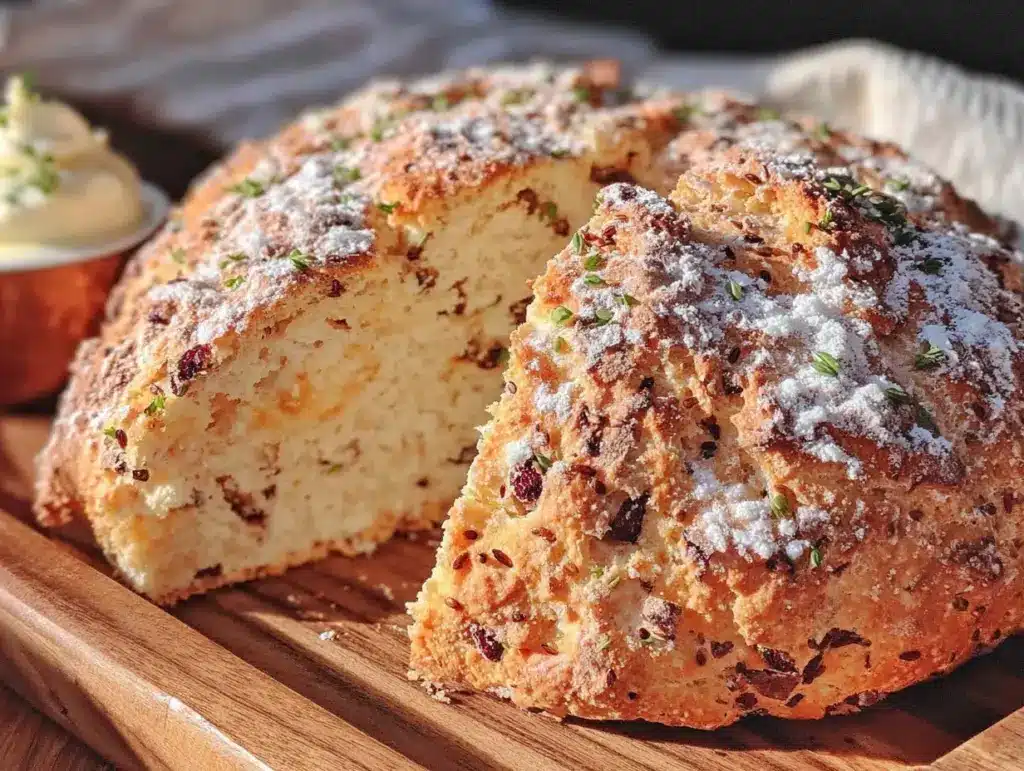
It was one of those chilly Sunday afternoons when the kind of comfort food that hugs you from the inside out feels absolutely necessary. I remember standing in my kitchen, watching the soft rain tap against the window, and suddenly craving something simple but deeply satisfying. That’s when I stumbled upon this cozy Irish soda bread with caraway seeds recipe—a classic that, honestly, I’d always been a bit skeptical about. Soda bread seemed too plain at first glance, but the addition of caraway seeds gave it that unexpected warmth and subtle spice that turned my whole opinion around.
My first attempt wasn’t perfect—I rushed it, and the crust came out tougher than I liked. But after a few tries, tweaking the baking time and letting the dough rest just a bit longer, I finally nailed that golden crust and tender crumb. It became the kind of bread I’d reach for whenever the day felt a bit too much—whether I was nursing a cold or just needed a quiet moment with a cup of tea. There’s something about the rustic aroma of caraway seeds mingling with the nutty, slightly tangy bread that’s oddly grounding.
What really makes this Irish soda bread stand out for me is how approachable it is. No yeast, no long proofing, just straightforward ingredients and a quick mix that anyone can pull off—even on a busy weekday morning. And yet, it delivers this deeply satisfying, almost nostalgic flavor that feels like a little nod to tradition with every bite. I guess that’s why this recipe has stuck around in my kitchen, quietly becoming a favorite for cozy mornings and casual gatherings alike.
Why You’ll Love This Recipe
- Quick & Easy: Ready in under an hour, it’s perfect when you want fresh bread without the wait.
- Simple Ingredients: Uses pantry staples plus caraway seeds for a little extra personality—no fancy shopping required.
- Perfect for Cozy Occasions: Ideal for breakfast, afternoon tea, or a comforting snack by the fire.
- Crowd-Pleaser: The subtle caraway flavor gives it a unique twist that surprises and delights guests.
- Unbelievably Delicious: The crust is satisfyingly crisp, while the inside stays soft and tender—exactly what you want in a soda bread.
Unlike many soda breads that can feel a bit dry or bland, this one uses a touch of buttermilk and a good amount of caraway seeds to create a bread that’s both rich in flavor and lovely in texture. The caraway seeds aren’t just for show—they add a warm, slightly anise-like note that pairs beautifully with hearty soups or sharp cheeses. I’ve tested this recipe countless times, adjusting just enough to make sure it’s accessible for beginners but rewarding enough for seasoned bakers looking for a reliable go-to.
Honestly, it’s the kind of recipe that invites you to slow down a little, savor the process, and then enjoy that first, buttery slice with a quiet smile. It’s comforting, approachable, and just cozy in every sense of the word.
What Ingredients You Will Need
This recipe uses simple, wholesome ingredients to deliver bold flavor and satisfying texture without the fuss. Most are pantry staples, and the caraway seeds add that authentic Irish touch that makes this bread special.
- All-purpose flour (4 cups / 480g) – the base of the bread, providing structure.
- Baking soda (1 teaspoon) – the leavening agent that makes the bread rise without yeast.
- Salt (1 teaspoon) – balances and enhances flavor.
- Caraway seeds (2 tablespoons) – the star spice, adding warmth and a slight anise flavor.
- Buttermilk (1⅔ cups / 400ml) – adds moisture and tang, helping the bread stay tender.
- Brown sugar (1 tablespoon) – optional, for a hint of sweetness that compliments the caraway.
- Unsalted butter (2 tablespoons), melted – adds richness and helps with the crust texture.
If you don’t have buttermilk, you can easily make a substitute by adding 1 tablespoon of lemon juice or white vinegar to 1⅔ cups of milk, letting it sit for 5–10 minutes until slightly curdled. For a dairy-free version, use a plant-based milk with a splash of apple cider vinegar.
When it comes to caraway seeds, I prefer ordering from specialty spice shops or trusted brands like McCormick for the best aroma and freshness. If you’re not a fan of caraway, fennel or anise seeds make a nice alternative, though the flavor profile will shift slightly. The flour should be fresh and sifted for best consistency, and if gluten-free is your thing, swapping in a mix of gluten-free flours can work, but expect a denser loaf.
Equipment Needed
- Large mixing bowl – for combining the ingredients easily.
- Wooden spoon or sturdy spatula – to mix the dough without overworking it.
- Measuring cups and spoons – precise measurements help the bread turn out just right.
- Baking sheet or cast-iron skillet – provides even heat and a nice crust.
- Parchment paper or silicone baking mat – for easy cleanup and to prevent sticking.
- Sharp knife – to score the dough’s top, which helps the bread bake evenly.
If you don’t have a cast-iron skillet, a heavy-duty baking sheet works just fine. For the knife, a serrated bread knife isn’t necessary here—a sharp chef’s knife does the job perfectly. I’ve baked this bread directly on a baking stone too, which gives a great crust but isn’t required. Cleaning cast iron can be a pain sometimes, but a quick wipe with a paper towel while it’s still warm keeps it ready for next time.
Preparation Method
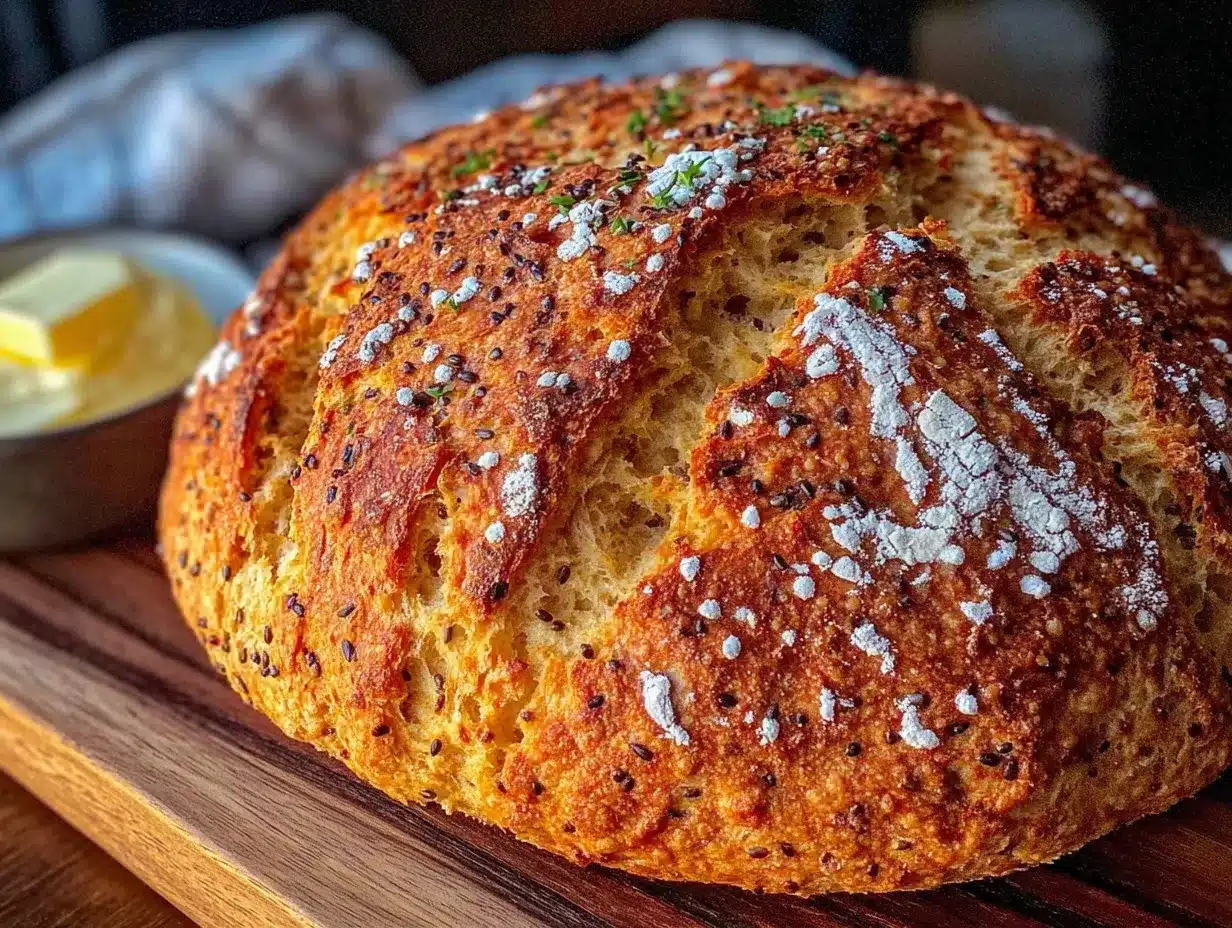
- Preheat your oven to 425°F (220°C). Line your baking sheet with parchment paper or lightly grease your cast-iron skillet. This helps prevent sticking and promotes an even crust. (5 minutes)
- Combine dry ingredients: In a large bowl, whisk together 4 cups (480g) all-purpose flour, 1 teaspoon baking soda, 1 teaspoon salt, 2 tablespoons caraway seeds, and 1 tablespoon brown sugar if using. Whisking helps distribute the baking soda evenly, which is key to a good rise. (3 minutes)
- Add wet ingredients: Make a well in the center of the dry mix and pour in 1⅔ cups (400ml) buttermilk and 2 tablespoons melted unsalted butter. Using a wooden spoon or spatula, gently mix until the dough comes together. It might be a bit sticky—that’s okay. Avoid overmixing or kneading too much to keep the bread tender. (4 minutes)
- Shape the dough: Turn the dough out onto a lightly floured surface. With floured hands, shape it into a round loaf about 7 inches (18 cm) in diameter and roughly 2 inches (5 cm) thick. Don’t press down too hard; you want the dough to retain some air for a light crumb. (5 minutes)
- Score the top: Transfer the loaf to your prepared baking sheet or skillet. Using a sharp knife, carefully cut a deep “X” across the top of the dough. This traditional step helps the bread cook evenly and gives it that classic look. (2 minutes)
- Bake: Place in the oven and bake for 30–35 minutes. The bread should turn a deep golden brown, and when tapped on the bottom, it should sound hollow. If it’s browning too fast, loosely tent with foil after 20 minutes. (30–35 minutes)
- Cool: Transfer the bread to a wire rack and let it cool for at least 30 minutes before slicing. This resting time finishes the cooking process and helps the crumb set without being gummy. (30 minutes)
If your dough feels too wet or sticky during shaping, dust your hands and work surface lightly with flour, but avoid adding too much or the bread will turn out dry. A bread thermometer can help here—aim for an internal temperature of 200°F (93°C) to be sure it’s baked through.
Cooking Tips & Techniques
One of the most common mistakes with Irish soda bread is overmixing the dough. You want just enough stirring to combine the ingredients; otherwise, the bread can become tough and dense. I learned this the hard way after pushing the dough around too much—no fun when you expect a tender crumb!
Another handy tip is to make sure your baking soda is fresh. Old or expired baking soda won’t give the rise you need, and the bread can end up flat. I keep a small container labeled “baking soda for baking” to avoid mix-ups with the cleaning kind.
When scoring the loaf, a sharp knife and a confident cut are your friends. A jagged or hesitant cut can deflate the dough or result in uneven baking. Also, don’t skip the scoring—it’s traditional but functional, helping the bread expand properly.
It’s worth letting the bread cool fully before slicing. I know the temptation is real (I’ve broken that rule more times than I care to admit), but cutting into hot soda bread often leaves a gummy texture. Patience pays off with a perfect slice.
For multitasking, I usually prep the dough while my morning coffee brews. Then, while it’s baking, I clean up and get other breakfast items ready. The whole process feels effortless once you get the rhythm.
Variations & Adaptations
- Gluten-Free Version: Substitute all-purpose flour with a gluten-free flour blend designed for baking. Add 1 teaspoon of xanthan gum if your blend doesn’t include it. Expect a slightly different texture but still delicious.
- Seed Mix: Mix caraway seeds with poppy or fennel seeds for a more complex flavor profile. I once used this combo during St. Patrick’s Day brunch and it was a hit!
- Cheese and Herb: Stir in ½ cup grated sharp cheddar and 2 tablespoons fresh chopped rosemary or chives. This twist makes the bread great for savory sandwiches or as a side for soups.
- Oven Variations: If you don’t have a conventional oven, this bread can be baked in a Dutch oven or covered cast-iron pot at 425°F (220°C) for the first 20 minutes, then uncovered for the last 10–15 minutes to get that crust.
- Sweet Option: For a sweeter take, swap out caraway seeds for cinnamon and raisins, reducing salt to ½ teaspoon. This version feels like a quick tea bread and pairs nicely with butter and jam.
Serving & Storage Suggestions
Irish soda bread is best served warm or at room temperature. A pat of butter melts into the crumb so beautifully, making every bite a little celebration. It pairs wonderfully with hearty soups like beef stew or creamy potato leek soup, and I also love it simply toasted with sharp cheddar and a drizzle of honey.
To store, wrap the bread tightly in plastic wrap or place in an airtight container at room temperature. It stays fresh for about 2 days that way. For longer storage, slice and freeze it in a zip-top bag; slices thaw quickly in a toaster or oven.
Reheating in a 350°F (175°C) oven for 5–10 minutes helps revitalize the crust and crumb. Over time, the flavors deepen, especially the caraway notes, making leftovers surprisingly enjoyable the next day.
Nutritional Information & Benefits
Each slice (about 1/12th of the loaf) contains roughly 150 calories, with 3 grams of fat, 28 grams of carbohydrates, and 4 grams of protein. The bread is naturally free of yeast and contains no added preservatives.
Caraway seeds are known for their digestive benefits—they can ease bloating and add a subtle boost of antioxidants. Using buttermilk adds a tangy flavor plus calcium and probiotics, which are gentle on the stomach.
This recipe is vegetarian and can be adapted for gluten-free diets. Just watch for allergens like dairy if using traditional buttermilk, but dairy-free swaps work well here.
Conclusion
This cozy Irish soda bread with caraway seeds is one of those recipes that feels like an old friend—simple, dependable, and quietly comforting. Whether you’re new to baking or just need a no-fuss bread recipe, it’s easy to pull together yet full of character.
What I love most is how flexible you can be with it, customizing seeds, adding cheese, or sweetening it up a bit. It’s my go-to when I want something warm and homemade without the usual fuss, and it always manages to bring a little calm to my kitchen.
Give it a try, play around with the flavors, and don’t be shy about sharing your own twists. I’d love to hear how it becomes part of your cozy moments too!
FAQs
Can I make Irish soda bread without caraway seeds?
Yes, you can omit the caraway seeds if you prefer a more neutral bread or substitute with fennel or anise seeds for a different flavor.
What if I don’t have buttermilk?
You can easily make a buttermilk substitute by mixing 1 tablespoon of lemon juice or vinegar with 1⅔ cups of milk and letting it sit for 5–10 minutes.
How do I know when the soda bread is fully baked?
The bread should be golden brown, and tapping the bottom should sound hollow. An internal temperature of 200°F (93°C) confirms it’s done.
Can I freeze Irish soda bread?
Absolutely! Slice the bread, wrap it tightly, and freeze. Toast or reheat slices directly from frozen for best results.
Why is my soda bread dense or heavy?
Common reasons include overmixing the dough, old baking soda, or not scoring the dough before baking. Be gentle when mixing and use fresh ingredients for a lighter loaf.
Pin This Recipe!
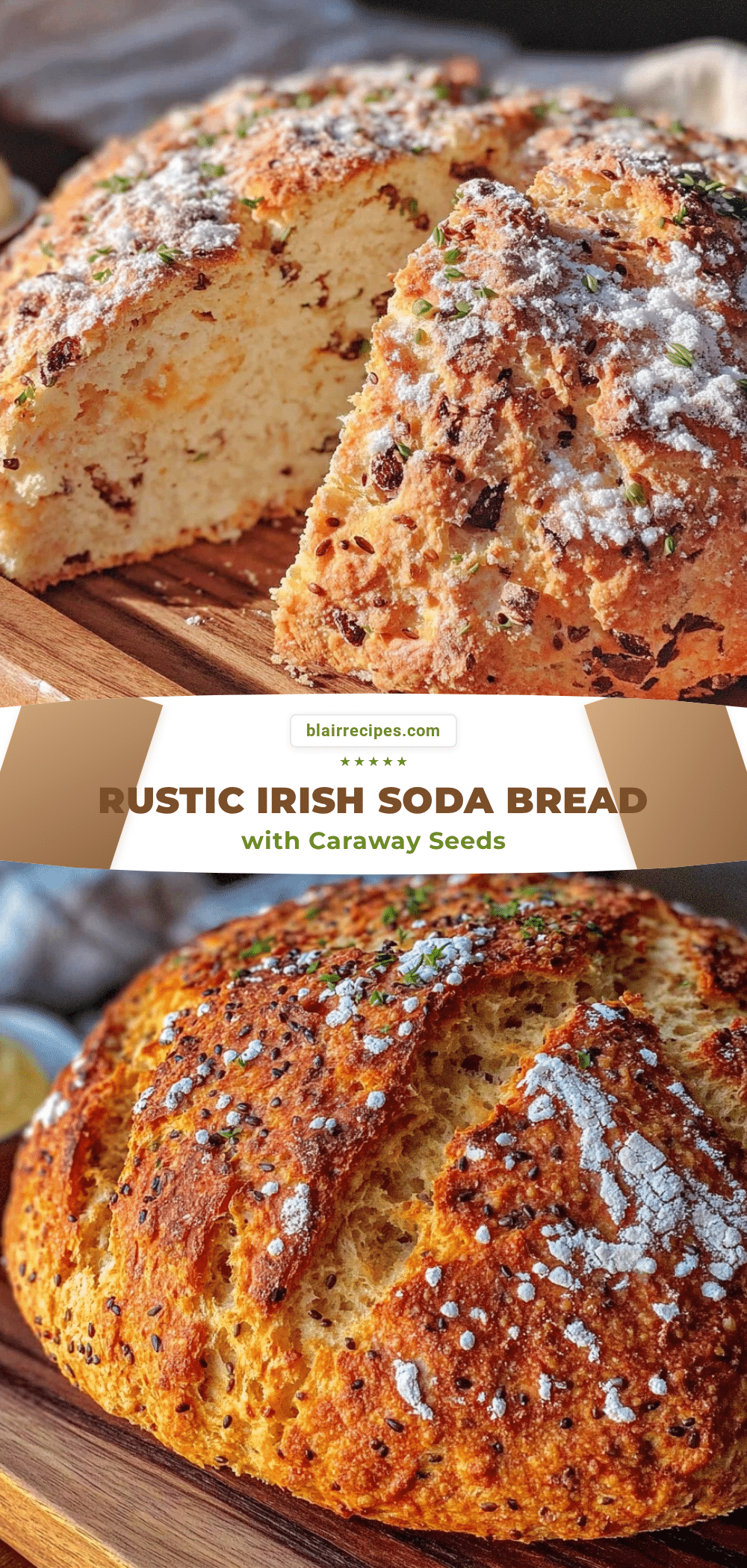
Cozy Irish Soda Bread with Caraway Seeds

A quick and easy Irish soda bread recipe featuring caraway seeds for a warm, slightly anise flavor. Perfect for cozy mornings, afternoon tea, or comforting snacks.
- Prep Time: 15 minutes
- Cook Time: 30-35 minutes
- Total Time: 1 hour
- Yield: 12 servings 1x
- Category: Bread
- Cuisine: Irish
Ingredients
- 4 cups (480g) all-purpose flour
- 1 teaspoon baking soda
- 1 teaspoon salt
- 2 tablespoons caraway seeds
- 1⅔ cups (400ml) buttermilk
- 1 tablespoon brown sugar (optional)
- 2 tablespoons unsalted butter, melted
Instructions
- Preheat your oven to 425°F (220°C). Line your baking sheet with parchment paper or lightly grease your cast-iron skillet.
- In a large bowl, whisk together 4 cups (480g) all-purpose flour, 1 teaspoon baking soda, 1 teaspoon salt, 2 tablespoons caraway seeds, and 1 tablespoon brown sugar if using.
- Make a well in the center of the dry mix and pour in 1⅔ cups (400ml) buttermilk and 2 tablespoons melted unsalted butter. Gently mix with a wooden spoon or spatula until the dough comes together. Avoid overmixing.
- Turn the dough onto a lightly floured surface and shape into a round loaf about 7 inches (18 cm) in diameter and 2 inches (5 cm) thick.
- Transfer the loaf to the prepared baking sheet or skillet. Using a sharp knife, score a deep ‘X’ across the top of the dough.
- Bake for 30–35 minutes until the bread is deep golden brown and sounds hollow when tapped on the bottom. Tent with foil if browning too fast after 20 minutes.
- Cool on a wire rack for at least 30 minutes before slicing.
Notes
Avoid overmixing the dough to keep the bread tender. Use fresh baking soda for best rise. Score the dough to help it expand evenly. Let the bread cool fully before slicing to prevent gummy texture. Buttermilk can be substituted with milk plus lemon juice or vinegar. For gluten-free, use a gluten-free flour blend with xanthan gum.
Nutrition
- Serving Size: 1 slice (1/12th of l
- Calories: 150
- Fat: 3
- Carbohydrates: 28
- Protein: 4
Keywords: Irish soda bread, caraway seeds, quick bread, no yeast bread, easy bread recipe, homemade bread, traditional Irish bread