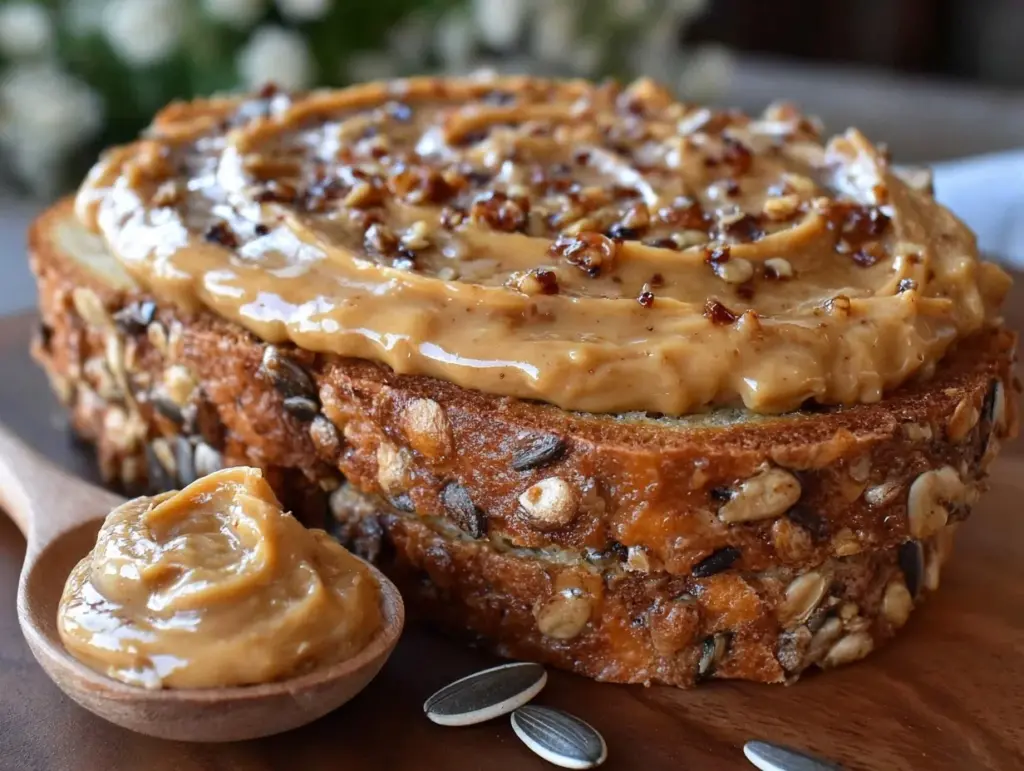
The smell of roasted sunflower seeds turning into a velvety, creamy butter is something honestly unforgettable. I first stumbled upon this creamy sunflower seed butter recipe when I was searching for a peanut-free alternative that didn’t sacrifice flavor or texture. You know how it goes—peanut allergies in the family meant I had to get creative, and this recipe quickly became a staple in our kitchen. After making it a dozen times (and tweaking it here and there), I can say this sunflower seed butter is the kind of homemade spread that’s both nourishing and ridiculously satisfying.
This creamy sunflower seed butter is not just a peanut butter substitute; it’s a whole new flavor experience. Its naturally rich, slightly nutty taste with a hint of earthiness makes it perfect for everything from toast to smoothies. Plus, it’s packed with good-for-you fats and protein, making it a great option for anyone looking for a wholesome, allergy-friendly spread. Whether you’re feeding picky kids, following a vegan diet, or just looking to try something new, this recipe has you covered.
After testing and perfecting this creamy sunflower seed butter recipe multiple times, I’ve come to trust it as a quick, easy, and delicious pantry staple. It’s one of those recipes that feels like a small kitchen victory every time you whip it up—and honestly, who doesn’t love that?
Why You’ll Love This Recipe
- Quick & Easy: Comes together in about 10 minutes—perfect for busy mornings or last-minute snack fix.
- Simple Ingredients: No fancy stuff needed; just roasted sunflower seeds and a few pantry staples.
- Perfect for Allergies: A fantastic peanut butter alternative that’s nut-free and safe for many allergy sufferers.
- Crowd-Pleaser: Loved by kids and adults alike, whether spread on toast or swirled into oatmeal.
- Unbelievably Delicious: Creamy texture with a subtly sweet, toasted flavor that’s just right.
What sets this sunflower seed butter apart from store-bought versions is the freshness and control you get—no added preservatives, just pure, wholesome ingredients. I like to blend the seeds just enough to keep that luxurious creaminess while still feeling substantial on the tongue. And the little touch of salt and optional sweetness? It balances everything perfectly. Honestly, this recipe feels like comfort food that’s also kind to the body and easy on the wallet.
What Ingredients You Will Need
This recipe uses straightforward, wholesome ingredients that come together to create a rich and creamy spread with a natural flavor profile. Most of these you’ll find right in your pantry or local grocery store, and you can tweak them a bit depending on your taste.
- Sunflower Seeds (roasted, unsalted): About 2 cups (300g). Look for small-curd, fresh-roasted seeds for the best creaminess. If you can’t find roasted, you can roast them yourself at home.
- Neutral Oil (optional): 1 to 2 tablespoons (15-30 ml) of sunflower oil or light olive oil to help achieve creaminess.
- Salt: ½ teaspoon (about 3g), or to taste. Enhances flavor and balances the natural earthiness.
- Sweetener (optional): 1 teaspoon (5 ml) of honey, maple syrup, or coconut sugar for a touch of sweetness.
- Vanilla Extract (optional): ½ teaspoon (2.5 ml) adds warmth and depth to the flavor.
If you’re after a lower-fat version, you can skip the oil, but I find the texture is smoother and spreadable with just a bit added. For a sugar-free option, just leave out the sweetener. If you want to experiment, try adding a pinch of cinnamon or a sprinkle of cocoa powder for a flavor twist.
Equipment Needed
- Food Processor or High-Powered Blender: Essential for grinding the sunflower seeds into creamy butter. I personally use a 10-cup food processor for best results, but a sturdy blender can work if you have a tamper tool.
- Spatula: For scraping down the sides and ensuring everything blends evenly.
- Measuring Cups and Spoons: For accuracy, especially with salt and sweetener.
- Storage Jar or Airtight Container: To keep your sunflower seed butter fresh once made.
If you don’t have a food processor, a high-power blender like a Vitamix works well, but you may need to stop and scrape more often. Budget-friendly options like smaller choppers can manage, but expect a bit more elbow grease and longer processing times. Also, make sure your blades are sharp to avoid overheating the seeds and changing the flavor.
Detailed Preparation Method
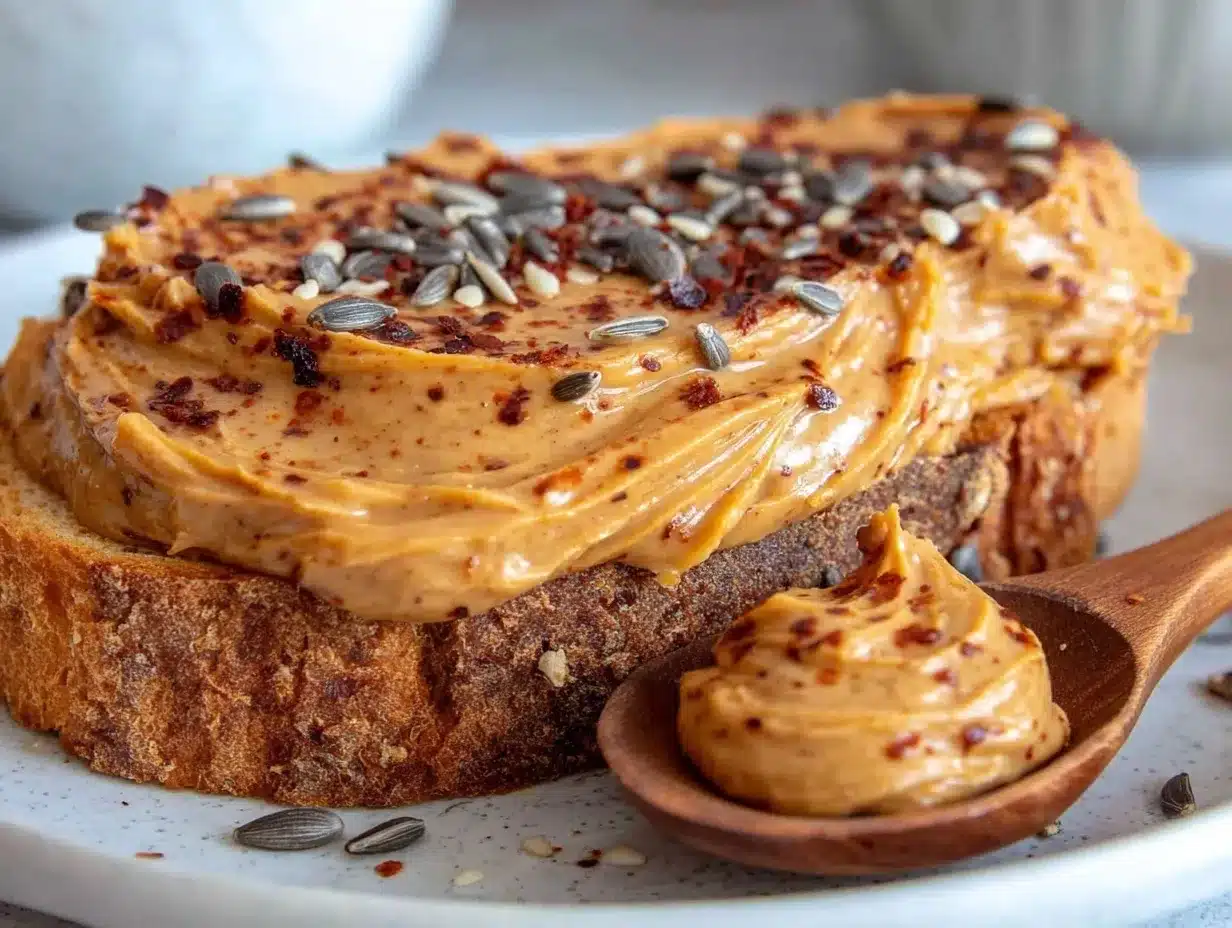
- Prepare Your Seeds: If you have raw sunflower seeds, roast them for 10 minutes at 350°F (175°C) on a baking sheet, stirring halfway. Let them cool completely before blending. This step unlocks their flavor and natural oils.
- Start Blending: Place 2 cups (300g) of roasted sunflower seeds in your food processor. Pulse a few times to break them down, then blend continuously. It will first turn crumbly, then pasty, and finally creamy. This usually takes about 6 to 8 minutes, depending on your machine.
- Scrape and Add Ingredients: Stop every minute or so to scrape down the sides with a spatula. When the butter becomes smooth but slightly thick, add 1/2 teaspoon (3g) salt, 1 teaspoon (5 ml) sweetener if using, and 1/2 teaspoon (2.5 ml) vanilla extract. Blend again.
- Adjust Texture: If your sunflower seed butter feels too thick or grainy, drizzle in 1 to 2 tablespoons (15-30 ml) of neutral oil while blending. This helps reach that creamy, spreadable texture.
- Taste and Final Blend: Give it a taste and add more salt or sweetener if you like. Blend once more until perfectly smooth. The whole process should take around 10 minutes.
- Transfer and Store: Spoon your creamy sunflower seed butter into a clean jar or container. Seal tightly and refrigerate. It will thicken slightly when chilled but stays spreadable.
Pro tip: If your machine overheats or the seeds get too warm, stop blending and let it cool a bit. Overheating can make the butter taste bitter or nutty in an unpleasant way. Also, patience is key here—keep blending until you get that luscious, creamy texture!
Cooking Tips & Techniques
Getting the perfect creamy sunflower seed butter isn’t rocket science, but a few insider tips make a big difference. First, roast your seeds well but not burnt—this brings out the oils and natural sweetness. I learned the hard way that under-roasted seeds produce bland butter, and over-roasted ones taste bitter.
When blending, don’t rush the process. It takes time for the seeds to release their oils and turn buttery. Use the pulse function early on to break things down, then switch to steady blending. Scraping the sides frequently keeps everything evenly mixed and prevents clumps.
Adding oil is optional but recommended for the creamiest texture. I usually add it slowly to avoid a runny butter. If you want a thicker spread, skip or reduce the oil—just know it will be denser and may not spread as smoothly.
One mistake I made early on was adding too much salt at first, which overwhelmed the subtle nutty flavor. Always add salt gradually and taste as you go. Same goes for sweeteners—keep it balanced so it complements but doesn’t overpower.
Finally, storing your sunflower seed butter in the fridge keeps it fresh longer but expect it to firm up a bit. Stir it well before each use, and let it sit at room temperature for a few minutes if you want it super spreadable.
Variations & Adaptations
- Spiced Sunflower Seed Butter: Add ½ teaspoon cinnamon or pumpkin pie spice during blending for a warm, cozy flavor.
- Chocolate Swirl: Mix in 1 tablespoon cocoa powder or melted dark chocolate for a decadent twist.
- Low-Fat Version: Skip the added oil and add a tablespoon of unsweetened applesauce for moisture instead.
- Allergy-Friendly Sweetener: Use maple syrup or date syrup instead of honey to keep it vegan and allergy-conscious.
- Nut-Free & Seed Mix: Combine sunflower seeds with pumpkin seeds (pepitas) for a unique flavor and added nutrients.
One variation I love is adding a pinch of smoked paprika for a savory-sweet twist that pairs amazingly with crackers or sandwiches. Another time, I blended in some chia seeds for a bit of extra fiber and texture. Feel free to get creative and make this recipe your own!
Serving & Storage Suggestions
This creamy sunflower seed butter is fantastic spread on warm toast, swirled into yogurt, or dolloped onto oatmeal for a protein boost. It’s also great as a dip for apple slices, celery sticks, or drizzled over pancakes and waffles. You can even use it in baking as a peanut butter substitute in cookies or bars.
Store your sunflower seed butter in an airtight container in the refrigerator for up to 3 weeks. If you want to keep it longer, freezing in small portions works well—just thaw in the fridge overnight before using. Over time, the flavors marry beautifully, so this butter often tastes even better a day or two after making.
To re-soften chilled butter, leave it at room temperature for 15-20 minutes or warm gently in a microwave for 10 seconds. Stir well to restore creamy consistency before serving.
Nutritional Information & Benefits
A 2-tablespoon (32g) serving of this creamy sunflower seed butter provides roughly 190 calories, 16 grams of healthy fats, 6 grams of protein, and 3 grams of fiber. It’s naturally gluten-free, vegan, and free from common allergens like peanuts and tree nuts, making it a safe choice for many diets.
Sunflower seeds are a powerhouse of vitamin E, magnesium, and selenium—all great for heart health and immune support. Compared to peanut butter, sunflower seed butter offers a unique nutrient profile that’s gentle on sensitive systems. I appreciate having this recipe in my rotation because it balances nutrition and flavor without fuss.
Conclusion
If you’re looking for a creamy, tasty peanut butter alternative, this homemade sunflower seed butter recipe is a winner. It’s easy to make, packed with wholesome ingredients, and adaptable to many tastes and diets. I love how fresh and satisfying it is—plus, it feels good knowing exactly what’s in my spread.
Don’t be shy about customizing the flavors or adjusting the texture to your liking. Once you try this recipe, I bet it’ll become a favorite in your kitchen too. Give it a go, and let me know how you use your sunflower seed butter—sharing your experiences makes this all the more fun!
FAQs About Creamy Sunflower Seed Butter
Can I use raw sunflower seeds instead of roasted?
You can, but roasting the seeds first really boosts flavor and helps release oils for a creamier texture. If using raw, try roasting them lightly at home.
How long does homemade sunflower seed butter last?
Stored in the fridge, it keeps fresh for about 3 weeks. For longer storage, freeze in portions and thaw as needed.
Is sunflower seed butter good for peanut allergies?
Yes! It’s naturally nut-free and a great peanut butter substitute for those with allergies, but always check for cross-contamination on packaging.
Can I make this without added oil?
Absolutely! It’ll be a bit thicker and less spreadable, but still tasty. Adding a little oil just smooths the texture.
What can I use sunflower seed butter for besides spreading on toast?
Try it in smoothies, baked goods, dips, salad dressings, or even as a base for sauces. It’s versatile and delicious!
Pin This Recipe!
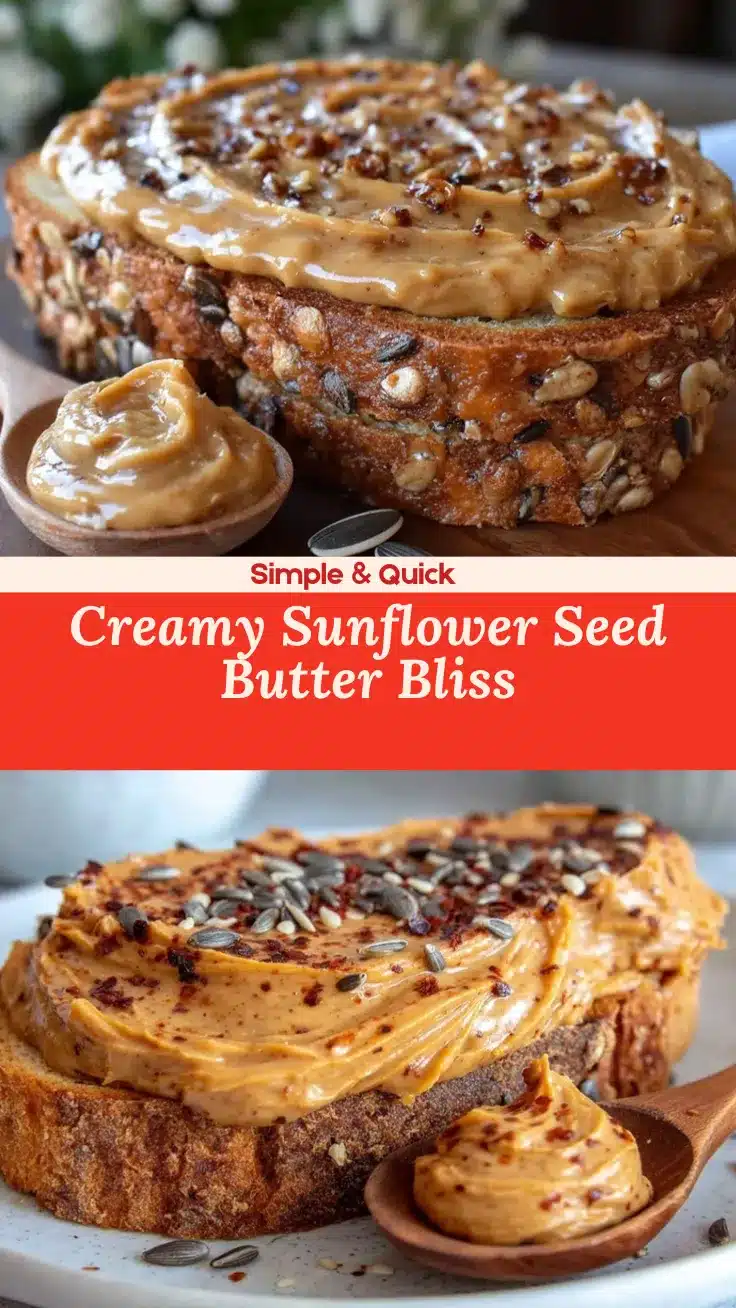
Creamy Sunflower Seed Butter Recipe Easy Homemade Peanut Butter Alternative

A quick and easy homemade sunflower seed butter that serves as a creamy, nut-free peanut butter alternative. Perfect for those with allergies or anyone seeking a wholesome, delicious spread.
- Prep Time: 5 minutes
- Cook Time: 10 minutes
- Total Time: 15 minutes
- Yield: About 1 cup (8 servings) 1x
- Category: Spread
- Cuisine: American
Ingredients
- 2 cups (300g) roasted unsalted sunflower seeds
- 1 to 2 tablespoons (15–30 ml) neutral oil (sunflower oil or light olive oil), optional
- ½ teaspoon (about 3g) salt, or to taste
- 1 teaspoon (5 ml) sweetener (honey, maple syrup, or coconut sugar), optional
- ½ teaspoon (2.5 ml) vanilla extract, optional
Instructions
- If using raw sunflower seeds, roast them for 10 minutes at 350°F (175°C) on a baking sheet, stirring halfway. Let cool completely.
- Place 2 cups (300g) roasted sunflower seeds in a food processor. Pulse a few times to break down, then blend continuously until creamy, about 6 to 8 minutes.
- Stop every minute to scrape down the sides with a spatula. When smooth but slightly thick, add ½ teaspoon salt, 1 teaspoon sweetener if using, and ½ teaspoon vanilla extract. Blend again.
- If the butter is too thick or grainy, drizzle in 1 to 2 tablespoons neutral oil while blending to reach desired creaminess.
- Taste and adjust salt or sweetener as needed. Blend once more until perfectly smooth.
- Transfer the sunflower seed butter to a clean jar or airtight container. Seal tightly and refrigerate.
Notes
If your machine overheats, stop blending and let it cool to avoid bitterness. Add oil slowly to avoid runny texture. Store in the fridge for up to 3 weeks; stir before use and let sit at room temperature to soften if needed.
Nutrition
- Serving Size: 2 tablespoons (32g)
- Calories: 190
- Fat: 16
- Fiber: 3
- Protein: 6
Keywords: sunflower seed butter, peanut butter alternative, nut-free spread, homemade butter, allergy-friendly, vegan, creamy spread