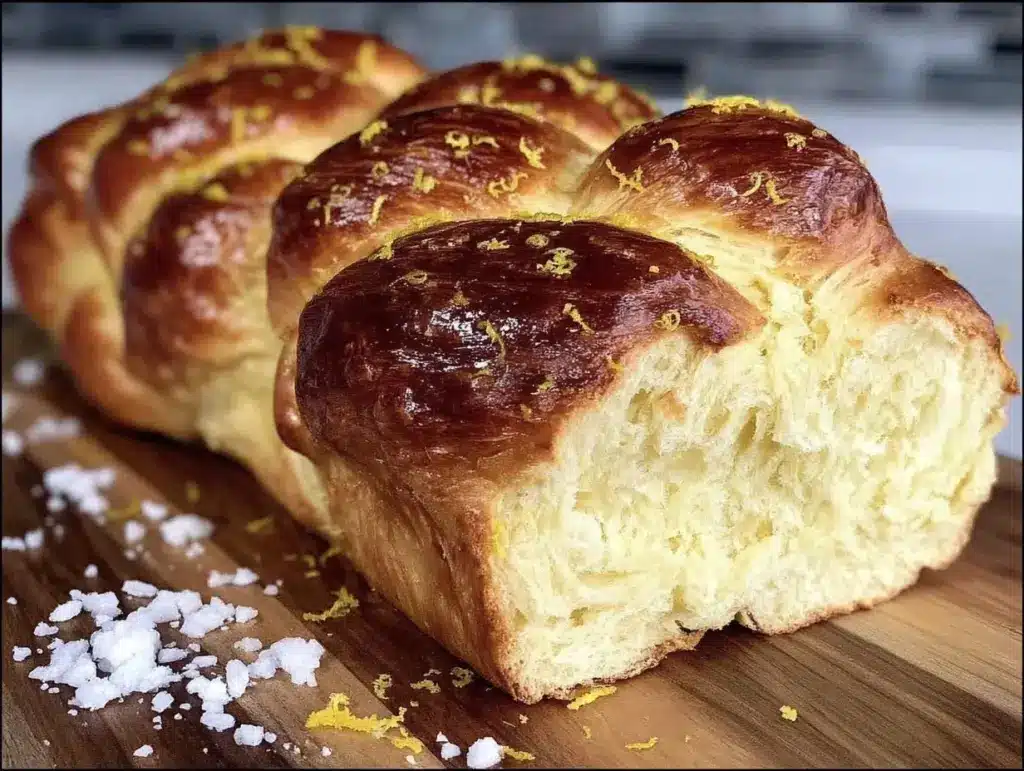
“You’ve got to try this bread,” my neighbor insisted one breezy spring morning, sliding a warm loaf wrapped in a tea towel across the fence. I was skeptical at first — I mean, how special could an Easter bread be? But honestly, that first bite of fluffy Greek tsoureki with zesty orange changed my whole outlook on sweet breads. The air was still crisp, birds chirping outside, and the gentle citrus aroma swirling around the kitchen instantly grounded me after a chaotic week. I remember thinking, “This isn’t just bread—it’s a quiet celebration.”
Since then, I haven’t stopped making this recipe, sometimes twice a week (yes, twice!). It’s become my go-to for Easter morning and whenever I need a little cozy comfort. The recipe isn’t complicated, but the blend of flavors—soft, slightly sweet dough scented with orange and a hint of spice—feels like a little secret worth sharing. Plus, the braided shape is surprisingly fun to shape, even for someone who’s not really a baker like me.
There’s something about the way the crust browns to a perfect golden and the inside stays pillowy soft that keeps me coming back. It’s not just about tradition; it’s about those everyday moments that deserve a touch of indulgence. If you’re curious about making your own batch of this fluffy Greek tsoureki Easter bread with zesty orange, you’re in for a treat—one that feels both festive and familiar.
Why You’ll Love This Fluffy Greek Tsoureki Easter Bread Recipe
After making this tsoureki bread countless times, I can say it stands out for a bunch of reasons that make it worth your kitchen time:
- Quick & Easy: You can have this bread ready in about 3 hours, including rising time—perfect for a weekend baking session or prepping ahead for Easter morning.
- Simple Ingredients: No need for exotic spices or rare ingredients. Most of these are pantry staples, making it easy to gather everything in one trip or maybe even right now.
- Perfect for Easter & Beyond: While it’s traditionally an Easter bread, its light orange zest and soft texture make it great for brunch, a sweet snack, or even a comforting breakfast treat.
- Crowd-Pleaser: Family and friends always ask for seconds. The subtle sweetness and chewy crumb appeal to both kids and adults.
- Unbelievably Delicious: The secret lies in that zesty orange flavor balanced with a hint of mahleb and mastic—traditional Greek spices that give it a unique aromatic twist.
What sets this tsoureki apart from other sweet breads is the perfect harmony of its soft, airy crumb and the complex, fragrant notes from the orange and traditional spices. Unlike many heavy holiday breads, this one feels light, almost like a treat you can enjoy without guilt. And the braid? It’s not just for looks—it helps the bread bake evenly and makes every slice feel special.
This recipe is the kind that makes you close your eyes after the first bite, savoring the warmth and comfort it brings. It’s the kind of bread that turns an ordinary morning into a moment you want to hold onto.
What Ingredients You Will Need for Fluffy Greek Tsoureki Easter Bread with Zesty Orange
This tsoureki recipe uses simple, wholesome ingredients that come together to create a bread full of flavor and that iconic fluffy texture. Most should be easy to find and many are pantry staples you might already have on hand.
- All-purpose flour (about 4 cups / 480g) – The base for the dough, provides structure.
- Granulated sugar (3/4 cup / 150g) – Adds sweetness without overpowering.
- Active dry yeast (2 1/4 tsp / 1 packet) – For that perfect rise and airy crumb.
- Whole milk (1 cup / 240ml, warmed) – Gives tenderness and moisture.
- Unsalted butter (1/4 cup / 60g, softened) – Adds richness and softness.
- Large eggs (3, room temperature) – Help bind and enrich the dough.
- Orange zest (from 1 large orange) – Key for that bright, zesty note.
- Orange juice (2 tbsp / 30ml, freshly squeezed) – Enhances the citrus flavor.
- Mahlab (1/2 tsp) – A traditional Greek spice from cherry pits; adds subtle almond-cherry flavor (optional but recommended for authenticity).
- Mastic (a small pinch, ground) – Another traditional aromatic resin lending a piney, slightly minty tone (optional).
- Salt (1 tsp) – Balances sweetness and improves flavor.
- Sesame seeds (for topping) – Adds a nutty crunch on top.
If you don’t have mahlab or mastic, the bread will still be delicious with just orange zest and juice. For a dairy-free version, swap milk for almond or oat milk and butter for coconut oil.
I usually grab my yeast from Fleischmann’s for consistent results, and when I can, organic oranges for zest to get that fresh citrus punch. Sometimes, I’ve swapped all-purpose flour for bread flour to get a bit more chewiness—it’s a nice twist if you want a sturdier crumb.
Equipment Needed
- Large mixing bowl: For combining ingredients and kneading dough comfortably.
- Stand mixer with dough hook (optional): Makes kneading easier, but you can knead by hand—just prepare for a bit of an arm workout!
- Measuring cups and spoons: Precise measurements help ensure consistent results.
- Microplane or fine grater: For zesting the orange perfectly without the bitter pith.
- Baking sheet or loaf pan: I prefer a baking sheet lined with parchment for the braided loaf shape.
- Kitchen towel or plastic wrap: To cover dough while it rises.
- Pastry brush: For brushing egg wash to get that shiny golden crust.
For those on a budget, you can skip the stand mixer and use a sturdy wooden spoon and hands for kneading. Parchment paper is a game-changer for easy cleanup and preventing sticking, but a well-greased baking sheet works too. I keep a silicone baking mat handy for even baking and less mess.
Preparation Method

- Activate the yeast: In a small bowl, combine 1/4 cup (60ml) of the warmed milk (about 100°F / 38°C) with 1 tsp of sugar and the active dry yeast. Stir gently and let sit for 5-10 minutes until frothy. If it doesn’t foam, your yeast might be old, so try fresh yeast for best results.
- Mix dry ingredients: In a large mixing bowl, whisk together the flour, remaining sugar, salt, mahlab, and ground mastic (if using). This ensures even distribution of spices and salt.
- Combine wet ingredients: In another bowl, whisk the remaining warm milk, softened butter, eggs, orange zest, and orange juice until smooth. The orange zest should smell bright and fresh here—don’t skip this step!
- Make the dough: Pour the yeast mixture and wet ingredients into the dry ingredients. Stir gently with a wooden spoon or dough hook until the dough starts to come together.
- Knead the dough: Turn the dough onto a lightly floured surface and knead for about 10 minutes until smooth and elastic. If using a stand mixer, knead with the dough hook on medium speed for 7-8 minutes. The dough should be soft but not sticky—if it’s too sticky, add flour 1 tbsp at a time.
- First rise: Shape the dough into a ball and place in a greased bowl. Cover with a kitchen towel or plastic wrap and let rise in a warm spot for 1.5 to 2 hours until doubled in size. The dough should feel airy and spring back slowly when poked.
- Shape the loaf: Punch down the dough gently and divide it into three equal pieces. Roll each piece into a long rope (about 16 inches / 40 cm). Braid the ropes together tightly and tuck the ends underneath. Place on a parchment-lined baking sheet.
- Second rise: Cover the braided loaf loosely and let it rise for another 45 minutes to 1 hour until puffy but not over-proofed.
- Preheat the oven: Set oven to 350°F (175°C) about 15 minutes before baking.
- Egg wash and topping: Whisk one egg with a tablespoon of water and brush generously over the loaf. Sprinkle sesame seeds evenly on top for that lovely nutty crunch.
- Bake: Bake in the preheated oven for 30-35 minutes until golden brown and hollow-sounding when tapped. If the bread browns too quickly, tent with foil halfway through baking.
- Cool: Let the bread cool completely on a wire rack before slicing—this helps set the crumb and prevents it from becoming gummy.
Remember, the key to fluffy tsoureki is patience during rising and gentle handling—don’t rush the proofing stages. The orange zest and spices develop best if you let the bread cool fully before cutting.
Cooking Tips & Techniques for Perfect Tsoureki Every Time
One thing I learned the hard way: rushing the yeast activation or skipping the second rise can leave you with dense, chewy bread instead of that iconic fluffiness. Always watch your dough, not the clock—if it hasn’t doubled in size, it needs more time.
When kneading by hand, try the windowpane test—stretch a small piece of dough gently; if it stretches thin without tearing, you’re good to go. If it tears, knead a bit more.
For that signature golden crust, the egg wash is essential. I’ve tried butter or milk washes, but nothing beats egg wash for shine and color. Don’t skimp on the sesame seeds either—they add that subtle crunch and nutty flavor.
If your kitchen is cold, I sometimes warm the oven to 200°F (90°C) for a few minutes, turn it off, then place the covered dough inside to rise. It creates a cozy environment without overheating.
Finally, be mindful when slicing this bread. Using a serrated bread knife and a gentle sawing motion will keep your slices neat and avoid squishing that soft crumb.
Variations & Adaptations
This tsoureki recipe is pretty versatile, so you can tweak it to suit your mood or dietary needs:
- Chocolate Chip Tsoureki: Add 1/2 cup (90g) of bittersweet chocolate chips to the dough before the first rise for a sweet surprise inside. My kids love this twist!
- Gluten-Free Version: Swap all-purpose flour for a gluten-free flour blend designed for yeast breads. Add a tablespoon of psyllium husk for structure.
- Vegan Adaptation: Use plant-based milk (like almond or oat), vegan butter, and a flax egg (1 tbsp ground flaxseed + 3 tbsp water) in place of eggs.
- Orange-Cranberry Tsoureki: Fold in 1/3 cup dried cranberries into the dough for a tart pop that pairs beautifully with the orange zest.
- Different Shapes: Instead of a three-strand braid, try a round wreath shape for a festive look. Just make sure to adjust baking time if the shape is thicker.
I once mixed in a little cardamom for a more exotic spice note, which turned out surprisingly well—just don’t overdo it, or it might overpower the orange.
Serving & Storage Suggestions
Tsoureki is best served at room temperature, ideally fresh the same day. I love slicing it thick with a slather of butter or cream cheese. It also pairs wonderfully with a strong cup of coffee or a lightly sweetened tea.
If you want to serve it warm, pop slices in a toaster oven or under the broiler for a minute or two—just watch closely to avoid burning. For Easter brunch, it’s a fantastic complement to savory dishes like green bean casserole or a fresh salad.
Store leftover tsoureki wrapped tightly in plastic wrap or in an airtight container at room temperature for up to 3 days. For longer storage, slice and freeze it in a zip-top bag for up to 3 months. Thaw slices overnight at room temperature or toast directly from frozen.
Interestingly, the flavors tend to mellow and meld over a day or two, making it even more delicious the next day—if you can resist!
Nutritional Information & Benefits
One slice (about 70g) of this fluffy Greek tsoureki Easter bread provides approximately 220 calories, 6g fat, 35g carbohydrates, and 5g protein. It’s a moderate source of energy, perfect for a morning boost.
The orange zest adds vitamin C and antioxidants, while the use of whole eggs and butter contributes protein and healthy fats. If you include spices like mahlab and mastic, these also offer trace minerals and unique aromatic compounds.
For those watching carbs, this bread is on the sweeter side but with simple ingredients and no refined oils or preservatives. It’s gluten-containing, so not suitable for celiac diets unless adapted with gluten-free flours.
From a wellness perspective, I appreciate how this bread feels like an indulgence that doesn’t weigh you down—comfort food with a bit of brightness, rather than something heavy.
Conclusion
This fluffy Greek tsoureki Easter bread with zesty orange has become one of those rare recipes that feels both timeless and fresh. It’s a reminder that simple ingredients, a touch of patience, and a little love can create something truly special. Whether you make it for a holiday, a brunch, or just because, it’s worth the few hours in the kitchen.
Feel free to play with the spices and add-ins to make it your own. I love how flexible this bread is—perfect for sharing stories and smiles around the table. And honestly, once you try it, you might find yourself baking it more often than just Easter!
Would love to hear how your tsoureki turns out or any creative twists you try. Baking is better when shared, don’t you think?
FAQs about Fluffy Greek Tsoureki Easter Bread with Zesty Orange
Can I make tsoureki without mahlab and mastic?
Yes! While these spices add authentic flavor, the bread is still delicious with just orange zest and juice. You can omit them if unavailable.
How do I know when the dough has risen enough?
The dough should roughly double in size and feel puffy. When gently poked with a finger, the indentation should slowly spring back.
Can I freeze tsoureki dough before baking?
Absolutely! After the first rise, shape the dough, then freeze it in an airtight container. Thaw overnight in the fridge before the second rise and baking.
What’s the best way to store leftover tsoureki?
Keep it wrapped tightly at room temperature for up to 3 days or slice and freeze for longer storage. Toast slices to refresh if needed.
Can I make mini tsoureki loaves or buns?
Yes! Divide dough into smaller portions and shape into buns or mini braided loaves. Adjust baking time to 15-20 minutes depending on size.
Pin This Recipe!

Fluffy Greek Tsoureki Easter Bread Recipe with Zesty Orange

A soft, fluffy Greek Easter bread scented with zesty orange and traditional spices like mahlab and mastic. Perfect for Easter morning or any cozy occasion, this bread features a golden crust and pillowy crumb with a subtle citrus aroma.
- Prep Time: 30 minutes
- Cook Time: 30-35 minutes
- Total Time: 3 hours 15 minutes
- Yield: 1 loaf (about 12 servings) 1x
- Category: Bread
- Cuisine: Greek
Ingredients
- 4 cups (480g) all-purpose flour
- 3/4 cup (150g) granulated sugar
- 2 1/4 tsp (1 packet) active dry yeast
- 1 cup (240ml) whole milk, warmed
- 1/4 cup (60g) unsalted butter, softened
- 3 large eggs, room temperature
- Zest of 1 large orange
- 2 tbsp (30ml) freshly squeezed orange juice
- 1/2 tsp mahlab (optional)
- A small pinch ground mastic (optional)
- 1 tsp salt
- Sesame seeds for topping
Instructions
- Activate the yeast: In a small bowl, combine 1/4 cup (60ml) of the warmed milk (about 100°F / 38°C) with 1 tsp of sugar and the active dry yeast. Stir gently and let sit for 5-10 minutes until frothy.
- Mix dry ingredients: In a large mixing bowl, whisk together the flour, remaining sugar, salt, mahlab, and ground mastic (if using).
- Combine wet ingredients: In another bowl, whisk the remaining warm milk, softened butter, eggs, orange zest, and orange juice until smooth.
- Make the dough: Pour the yeast mixture and wet ingredients into the dry ingredients. Stir gently with a wooden spoon or dough hook until the dough starts to come together.
- Knead the dough: Turn the dough onto a lightly floured surface and knead for about 10 minutes until smooth and elastic. If using a stand mixer, knead with the dough hook on medium speed for 7-8 minutes. Add flour 1 tbsp at a time if too sticky.
- First rise: Shape the dough into a ball and place in a greased bowl. Cover and let rise in a warm spot for 1.5 to 2 hours until doubled in size.
- Shape the loaf: Punch down the dough and divide into three equal pieces. Roll each into a 16-inch rope. Braid tightly and tuck ends underneath. Place on parchment-lined baking sheet.
- Second rise: Cover loosely and let rise for 45 minutes to 1 hour until puffy.
- Preheat oven to 350°F (175°C) about 15 minutes before baking.
- Egg wash and topping: Whisk one egg with 1 tbsp water and brush over loaf. Sprinkle sesame seeds evenly on top.
- Bake: Bake for 30-35 minutes until golden brown and hollow-sounding when tapped. Tent with foil if browning too quickly.
- Cool: Let bread cool completely on a wire rack before slicing.
Notes
If you don’t have mahlab or mastic, omit them for a still delicious bread. For dairy-free, substitute milk with almond or oat milk and butter with coconut oil. Use bread flour for a chewier texture. Ensure dough doubles in size during rises for fluffiness. Use egg wash for a shiny golden crust. Cool completely before slicing to set crumb.
Nutrition
- Serving Size: 1 slice (about 70g)
- Calories: 220
- Fat: 6
- Carbohydrates: 35
- Protein: 5
Keywords: Greek bread, Tsoureki, Easter bread, orange zest bread, braided bread, sweet bread, traditional Greek recipe