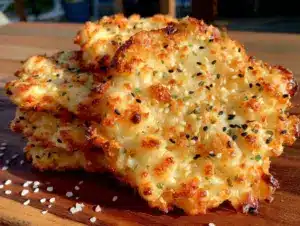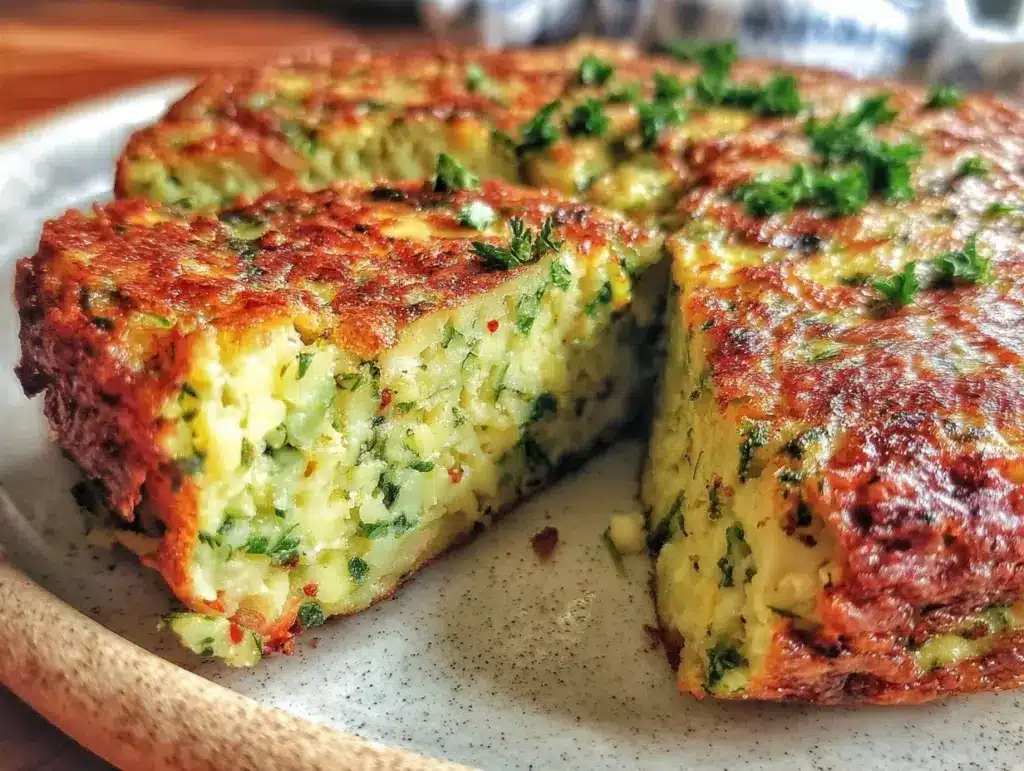
“You’re telling me this is just eggs and herbs?” my friend laughed skeptically one chilly early spring morning. I was getting ready to serve my first-ever attempt at kuku sabzi, the Persian herb frittata that’s a non-negotiable part of Nowruz, the Persian New Year. Honestly, I wasn’t sure either—until I took that first bite. The fluffy texture, the vibrant mix of green herbs, the whisper of spices—it all felt like a little celebration in my mouth. That moment stuck with me.
See, making fluffy herb frittata kuku sabzi started as a way to reset after a long, hectic week. I had a handful of fresh herbs left from a forgotten bunch, eggs nearing their expiration, and a craving for something light but satisfying. I wasn’t expecting anything fancy, just a quick breakfast to keep me going. Somehow, this simple dish worked its magic. The herbs weren’t just flavor—they brought spring indoors, a fresh green promise after winter’s hold.
It wasn’t perfect the first time. I remember undercooking it slightly and feeling unsure about the texture. But after tweaking the heat and the herb ratios, it became a ritual—something I’d make repeatedly that week, testing fresh dill from my window garden, adding a pinch more turmeric, or swapping parsley for cilantro just for fun. It felt more like an experiment than a recipe at first.
Now, every Persian New Year when my kitchen fills with the scent of chopped cilantro, chives, and tarragon, I’m reminded of that quiet realization: this isn’t just a frittata; it’s a green celebration, a humble dish with a bright heartbeat. There’s something about the way those fluffy eggs cradle the herbs that feels like a fresh start, a chance to slow down and savor the moment. This recipe stuck with me because it’s simple, soulful, and surprisingly easy to make—perfect for anyone wanting to bring a little authentic Persian flavor to their table without fuss.
Why You’ll Love This Recipe
Having made this fluffy herb frittata kuku sabzi countless times, I can say it’s one of those dishes that just feels right in so many ways. The balance of fresh herbs and light eggs creates a texture and flavor combo that’s honestly hard to beat when it comes to comfort food with a healthy twist. Here’s why it’s a keeper:
- Quick & Easy: It comes together in under 30 minutes, making it perfect for busy mornings or last-minute celebrations.
- Simple Ingredients: No fancy or hard-to-find items—mostly fresh herbs and eggs, staples in most kitchens.
- Perfect for Persian New Year: Kuku sabzi is a traditional dish that symbolizes renewal and abundance, ideal for festive tables.
- Crowd-Pleaser: The bright herbal flavors and fluffy texture win over both kids and adults, even skeptics.
- Unbelievably Delicious: The way the eggs puff up around the herbs creates a light, almost airy bite that’s deeply satisfying.
What sets this recipe apart is the attention to fluffiness and herb ratio. I’ve found that beating the eggs well and letting the mixture rest briefly makes all the difference. Plus, the addition of a pinch of turmeric and a touch of garlic powder adds subtle warmth and depth without overpowering the fresh greens. This isn’t just any herb frittata—it’s my perfected take on a classic that feels both traditional and fresh. It’s the kind of dish that makes you close your eyes after the first bite, savoring the harmony of flavors. Whether you’re celebrating Nowruz or just craving a spring-inspired meal, this kuku sabzi brings a little extra joy to your plate.
What Ingredients You Will Need
This fluffy herb frittata kuku sabzi uses simple, wholesome ingredients to deliver bold flavor and a satisfying texture without any fuss. Most of these you probably have on hand, and the fresh herbs can be swapped based on what’s in season or available at your market.
- Eggs (6 large), room temperature — the base for that fluffy texture.
- Fresh parsley (1 cup, chopped) — the backbone herb, bright and earthy.
- Fresh cilantro (1 cup, chopped) — adds a citrusy note; swap with more parsley if you’re not a fan.
- Fresh dill (1/2 cup, chopped) — fragrant and slightly sweet.
- Chives (1/4 cup, chopped) — subtle onion flavor that lifts the dish.
- Fresh tarragon (1/4 cup, chopped) — optional, but it adds a lovely anise-like aroma.
- Green onions (2, finely sliced) — for texture and mild pungency.
- Olive oil (3 tbsp) — I prefer extra virgin for richness and flavor.
- Turmeric (1/4 tsp) — for color and a warm, earthy undertone.
- Garlic powder (1/4 tsp) — optional, but it adds a subtle depth.
- Salt (to taste, about 1 tsp) — I like kosher salt for even seasoning.
- Black pepper (freshly ground, to taste)
- Baking powder (1/4 tsp) — the secret to extra fluffiness; don’t skip!
- Optional garnish: a sprinkle of sumac or a dollop of Greek yogurt for serving.
For best results, I like to use organic eggs and fresh herbs picked the same day. If fresh tarragon is unavailable, adding a little fresh basil or mint can offer a nice twist. In summer, swapping some of the herbs for fresh spinach or kale works well too. For gluten-free versions, this recipe is naturally suitable—no flour needed!
Equipment Needed
- Large mixing bowl: to whisk eggs and mix herbs thoroughly. A glass or ceramic bowl helps you see the color and texture changes.
- Sharp knife: for finely chopping herbs and green onions. I always keep a Santoku knife handy for this task because it handles leafy herbs smoothly.
- Non-stick skillet or cast iron pan (9-inch/23 cm): to cook the kuku evenly without sticking. Cast iron gives a lovely crust but needs proper seasoning.
- Spatula: a silicone spatula helps gently loosen the edges during cooking.
- Whisk or fork: for beating the eggs to that fluffy stage.
- Measuring spoons: to add precise amounts of turmeric, baking powder, and seasonings.
If you don’t have a cast iron pan, a heavy-bottomed non-stick skillet works well. I once tried using a stainless steel pan and ended up with a stubborn crust that was hard to flip, so non-stick is my go-to. For chopping herbs, a mezzaluna is a fun tool if you have one, but a sharp knife is just fine. Quick tip: keeping herbs dry before chopping helps prevent clumping and keeps the mixture light.
Preparation Method
- Prep the herbs and aromatics (10 minutes): Rinse all fresh herbs and green onions thoroughly. Pat dry with a clean towel or use a salad spinner to remove excess moisture. Chop parsley, cilantro, dill, chives, tarragon, and green onions finely and evenly. The finer you chop, the better the herbs distribute throughout the frittata. Set aside.
- Beat the eggs (5 minutes): Crack 6 large eggs into a large mixing bowl. Add 1/4 teaspoon baking powder, 1/4 teaspoon turmeric, 1/4 teaspoon garlic powder, salt, and pepper. Whisk vigorously until the mixture is frothy and light yellow—this incorporates air that helps with fluffiness. Let the egg mixture rest for 5 minutes; this little pause helps the baking powder activate and improves texture.
- Combine herbs and eggs (2 minutes): Fold the chopped herbs and green onions gently into the beaten eggs. Use a spatula to mix evenly but don’t over-stir; you want a fluffy, light mixture with visible green flecks.
- Heat the pan (3 minutes): Place your skillet over medium heat and add 2 tablespoons of olive oil. Swirl to coat the surface evenly. The oil should shimmer but not smoke.
- Cook the kuku (10-12 minutes): Pour the egg and herb mixture into the hot pan, spreading it out evenly. Reduce heat to low-medium. Cover the pan with a lid to trap steam—this helps cook the top gently and keeps the frittata moist. Cook until the edges are set and the top is mostly firm but slightly jiggly, about 8-10 minutes. Peek occasionally to avoid burning the bottom.
- Flip or finish under the broiler (5 minutes): Here’s a trick I learned after a few tries: flipping the kuku in the pan can be tricky, so I usually slide it onto a baking sheet and finish it under the broiler for 3-5 minutes until golden and puffed. If you want to flip, loosen the edges and invert onto a plate, then slide back into the pan to cook the other side for 2-3 minutes.
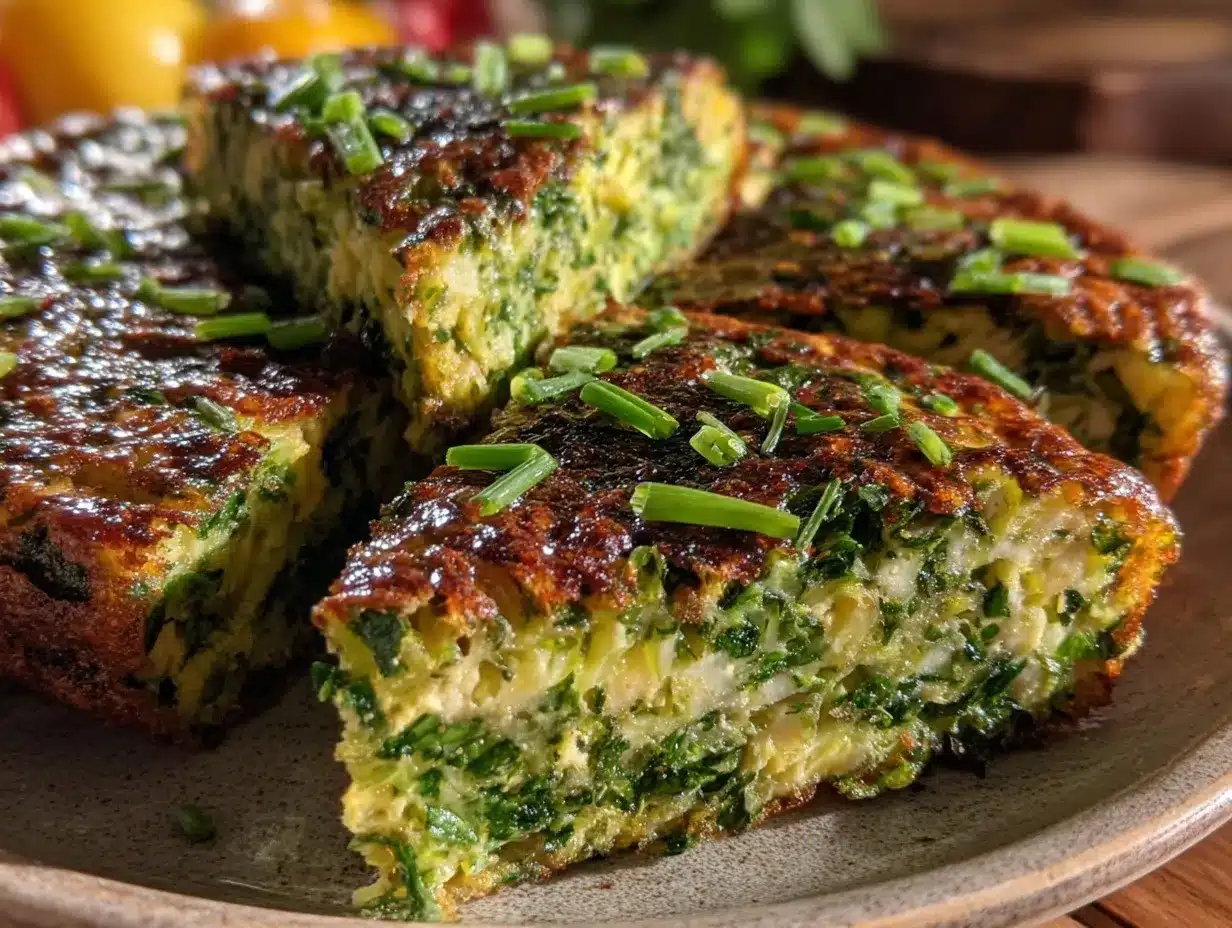
- Rest and serve (5 minutes): Let the kuku rest for a few minutes after cooking to set fully. Slice into wedges and garnish with a sprinkle of sumac or fresh herbs. A dollop of Greek yogurt on the side adds creaminess and a cool contrast.
If you notice the frittata is browning too quickly on the bottom, lower the heat and cook covered longer. If it’s undercooked in the middle, the broiler finish is a lifesaver. The aroma of fresh herbs mingling with turmeric and olive oil will fill your kitchen—a sure sign it’s almost ready!
Cooking Tips & Techniques
Getting the perfect fluffy herb frittata kuku sabzi is mostly about balance and patience. Here’s what I’ve learned over many batches:
- Beat those eggs well: Air is your friend! Whisking until frothy helps make the kuku light rather than dense.
- Baking powder is a game-changer: It’s the secret ingredient for fluffiness. Just a small amount wakes up the eggs without altering flavor.
- Chop herbs finely: Big chunks make the texture uneven. Fine chopping ensures every bite bursts with herby freshness.
- Cook low and slow: High heat risks burning the bottom before the center sets. Covering the pan traps steam and cooks the top gently.
- Finishing methods: Flipping can be intimidating, so use the broiler if you want a foolproof finish with a golden crust.
- Oil is essential: Don’t skimp on olive oil; it prevents sticking and adds richness.
- Rest before slicing: Letting it cool for a few minutes helps the frittata firm up for clean slices.
One time, I tried adding feta cheese, thinking it would be a nice twist—turns out, it made the texture a bit too dense and salty, so I keep it plain or serve cheese on the side now. Also, avoiding watery herbs or drying them well prevents sogginess. Timing is key, especially if you’re juggling other dishes like a vibrant sautéed green bean side that complements the kuku beautifully.
Variations & Adaptations
This recipe is flexible and welcomes a few creative twists. Here are some ideas I’ve tried or considered:
- Seasonal greens swap: Substitute or add spinach, kale, or even Swiss chard when fresh herbs are scarce. It changes the flavor but keeps it green and fresh.
- Cheese addition: Crumbled feta or goat cheese folded in adds creaminess but use sparingly to avoid overpowering the herbs.
- Spice it up: Adding a pinch of cayenne or smoked paprika brings warmth and depth for those who like a little kick.
- Vegan version: Use chickpea flour batter with finely chopped herbs and a pinch of kala namak (black salt) to mimic the eggy flavor.
- Cooking methods: Try baking the kuku in a preheated oven at 350°F (175°C) for 20-25 minutes as an easier alternative to stovetop and broiler.
My personal favorite variation is mixing a handful of chopped fresh mint into the herb blend—it adds a bright pop that feels fresh and unexpected. When I serve this for brunch gatherings, I pair it with roasted butternut squash from my honey-roasted butternut squash with rosemary recipe, which balances the herbaceous notes perfectly.
Serving & Storage Suggestions
Kuku sabzi is best served warm or at room temperature, making it a great make-ahead dish for busy celebrations. Slice into wedges and arrange on a platter garnished with fresh herbs or a sprinkle of sumac for color and tang.
It pairs wonderfully with yogurt, fresh radishes, or flatbread to soak up the herbal goodness. For a light lunch or brunch, add a crisp green salad or try it alongside a tangy cucumber and tomato salad. If you want to keep things cozy, a side of roasted vegetables or a lemony green bean dish like the vibrant green bean and tomato salad with feta complements the meal nicely.
Store leftovers in an airtight container in the refrigerator for up to 3 days. Reheat gently in a skillet over low heat or in a microwave in short bursts to keep it fluffy. It also freezes well—wrap tightly and thaw overnight in the fridge before reheating. Just a heads-up: flavors develop and meld when chilled, so the next-day kuku is often even tastier.
Nutritional Information & Benefits
This herb-packed kuku sabzi is a nutritional powerhouse. Each serving (about one-sixth of the frittata) offers roughly:
| Calories | 150-180 kcal |
|---|---|
| Protein | 12-14 grams |
| Fat | 10-12 grams (mostly healthy fats from olive oil and eggs) |
| Carbohydrates | 3-5 grams |
| Fiber | 1-2 grams (from fresh herbs) |
Eggs provide high-quality protein and essential nutrients like vitamin B12 and choline, while the fresh herbs are rich in vitamins A, C, and K, plus antioxidants. Using olive oil adds heart-healthy monounsaturated fats. This recipe is naturally gluten-free, low-carb, and can be made dairy-free if you skip optional cheese or yogurt garnishes.
For anyone mindful of allergens, this dish contains eggs and possibly dairy if you add toppings; otherwise, it’s a clean, wholesome choice. I love how it fits into a balanced diet without feeling heavy or complicated.
Conclusion
This fluffy herb frittata kuku sabzi is more than just a dish—it’s a green, fragrant celebration that brings the spirit of Persian New Year into your kitchen. Its simple ingredients and straightforward method make it accessible for cooks of all levels, while the fresh herbs infuse every bite with vibrant flavor. I love this recipe because it’s a reminder that sometimes the most humble meals are the most memorable.
Feel free to tweak the herbs or cooking method to suit your taste and kitchen setup. Whether you’re honoring tradition or just craving a fresh, easy meal, I hope this kuku sabzi becomes a staple in your rotation.
Got your own spin on this recipe or questions about herbs and cooking techniques? Drop a comment below—I’m always curious about your kitchen adventures!
FAQs about Fluffy Herb Frittata Kuku Sabzi
What makes kuku sabzi different from a regular frittata?
Kuku sabzi is herb-heavy and traditionally Persian, featuring a mix of fresh herbs like parsley, cilantro, dill, and tarragon, which gives it a distinctive fresh, green flavor. It’s also usually lighter and fluffier due to the use of baking powder and slow cooking methods.
Can I make kuku sabzi ahead of time?
Absolutely! It keeps well in the fridge for up to 3 days and can be frozen. Reheat gently to preserve the fluffy texture. It often tastes even better the next day as the flavors meld.
What can I serve alongside kuku sabzi?
It pairs beautifully with yogurt, fresh salads, flatbread, and roasted vegetables. For a festive meal, try it with dishes like honey-roasted butternut squash with rosemary or a bright green bean salad.
Is this recipe suitable for gluten-free diets?
Yes, kuku sabzi contains no gluten ingredients and is naturally gluten-free.
How can I make kuku sabzi vegan?
Replace eggs with a chickpea flour batter mixed with herbs and a pinch of kala namak for an egg-like flavor. Cooking times may vary, so watch for a firm texture before serving.
Pin This Recipe!

Fluffy Herb Frittata Kuku Sabzi Recipe Easy Perfect for Persian New Year

A light and fluffy Persian herb frittata made with fresh herbs and eggs, perfect for celebrating Nowruz, the Persian New Year. This simple, soulful dish combines vibrant greens and subtle spices for a fresh spring-inspired meal.
- Prep Time: 17 minutes
- Cook Time: 15 minutes
- Total Time: 32 minutes
- Yield: 6 servings 1x
- Category: Main Course
- Cuisine: Persian
Ingredients
- 6 large eggs, room temperature
- 1 cup fresh parsley, chopped
- 1 cup fresh cilantro, chopped
- 1/2 cup fresh dill, chopped
- 1/4 cup chives, chopped
- 1/4 cup fresh tarragon, chopped (optional)
- 2 green onions, finely sliced
- 3 tablespoons olive oil (preferably extra virgin)
- 1/4 teaspoon turmeric
- 1/4 teaspoon garlic powder (optional)
- About 1 teaspoon kosher salt, to taste
- Freshly ground black pepper, to taste
- 1/4 teaspoon baking powder
- Optional garnish: sprinkle of sumac or dollop of Greek yogurt
Instructions
- Rinse all fresh herbs and green onions thoroughly. Pat dry with a clean towel or use a salad spinner to remove excess moisture. Chop parsley, cilantro, dill, chives, tarragon, and green onions finely and evenly. Set aside.
- Crack 6 large eggs into a large mixing bowl. Add 1/4 teaspoon baking powder, 1/4 teaspoon turmeric, 1/4 teaspoon garlic powder, salt, and pepper. Whisk vigorously until the mixture is frothy and light yellow. Let the egg mixture rest for 5 minutes.
- Fold the chopped herbs and green onions gently into the beaten eggs. Mix evenly but do not over-stir.
- Place a 9-inch non-stick skillet or cast iron pan over medium heat and add 2 tablespoons of olive oil. Swirl to coat the surface evenly.
- Pour the egg and herb mixture into the hot pan, spreading it out evenly. Reduce heat to low-medium. Cover the pan with a lid and cook until the edges are set and the top is mostly firm but slightly jiggly, about 8-10 minutes. Peek occasionally to avoid burning the bottom.
- To finish, either flip the kuku in the pan carefully and cook the other side for 2-3 minutes, or slide it onto a baking sheet and finish under the broiler for 3-5 minutes until golden and puffed.
- Let the kuku rest for a few minutes after cooking to set fully. Slice into wedges and garnish with a sprinkle of sumac or fresh herbs. Serve with a dollop of Greek yogurt if desired.
Notes
Beat eggs well to incorporate air for fluffiness. Baking powder is essential for extra fluffiness. Chop herbs finely for even distribution. Cook on low heat covered to avoid burning and ensure even cooking. Use broiler to finish if flipping is difficult. Let rest before slicing for clean wedges. Optional garnishes include sumac or Greek yogurt. For vegan version, substitute eggs with chickpea flour batter and kala namak.
Nutrition
- Serving Size: One-sixth of the fri
- Calories: 165
- Sugar: 1
- Sodium: 400
- Fat: 11
- Saturated Fat: 2
- Carbohydrates: 4
- Fiber: 1.5
- Protein: 13
Keywords: kuku sabzi, Persian herb frittata, fluffy frittata, Nowruz recipe, herb frittata, Persian New Year dish, easy breakfast, gluten-free, healthy eggs recipe