
The aroma of freshly boiled pierogi, with their tender dough and savory fillings, instantly whisks me back to my grandmother’s kitchen. There’s something truly comforting about Polish pierogi that goes beyond just food — it’s a warm hug wrapped in dough. I first tackled making these delightful dumplings on a chilly weekend, eager to recreate the classic flavors I grew up loving. After a few tries (and a couple of dough-ball mishaps), I finally nailed this irresistible Polish pierogi trio recipe with 3 classic fillings that’s easy enough for any home cook.
Honestly, nothing beats the joy of folding each pieróg by hand, sealing in the delicious mix of potatoes, cheese, mushrooms, or sauerkraut, and then seeing them float to the surface as they cook. If you’ve been intimidated by pierogi before, this recipe breaks it down simply — no fancy tools, no complicated techniques, just pure, comforting Polish tradition. Whether you’re feeding a crowd or craving a cozy meal, these pierogi are perfect.
As someone who’s tested this recipe multiple times, tweaking the dough for just the right chewiness and balancing the fillings’ flavors, I can say these pierogi aren’t just good — they’re memorable. They’re a showstopper at family dinners, a hit during holiday gatherings, and a satisfying way to connect with a rich culinary heritage. Trust me, once you make this Polish pierogi trio recipe with 3 classic fillings, you’ll find yourself making them again and again.
Why You’ll Love This Recipe
- Quick & Easy: Comes together in under 2 hours, including prep and cooking, ideal for weekend cooking sessions or special dinners.
- Simple Ingredients: Uses pantry staples and fresh produce—no hunting for obscure items.
- Perfect for Every Occasion: Whether it’s a festive holiday, a casual brunch, or a cozy family dinner, these pierogi fit right in.
- Crowd-Pleaser: Loved by kids and adults alike, the trio of fillings offers something for everyone’s taste.
- Unbelievably Delicious: The combination of pillowy dough with classic savory fillings creates a rich, satisfying bite every time.
What makes this recipe stand out is the balance between tradition and simplicity. Instead of just one filling, I’ve included three classic favorites—potato and cheese, mushroom and sauerkraut, and sweet farmer’s cheese—that showcase the versatility of pierogi. Plus, I share tips on getting the dough just right, so it’s soft but holds together perfectly during boiling. This isn’t your average pierogi recipe; it’s crafted with love, experience, and a little Polish magic.
And let’s be honest, there’s something so soothing about making pierogi from scratch. It’s a great way to slow down, enjoy the process, and feel connected to age-old culinary traditions. You’re about to make a dish that’s not only tasty but also full of heart.
What Ingredients You Will Need
This recipe uses simple, wholesome ingredients to deliver bold flavor and satisfying texture without the fuss. Most of these you probably have on hand, and any specialty items are easy to find in well-stocked grocery stores or international markets.
- For the Dough:
- All-purpose flour – 3 cups (360g), sifted (I prefer King Arthur brand for consistent results)
- Large eggs – 2, room temperature
- Warm water – ¾ cup (180ml)
- Salt – 1 tsp
- Vegetable oil or melted butter – 2 tbsp (adds tenderness to the dough)
- For Potato & Cheese Filling:
- Russet potatoes – 3 medium (about 1 lb / 450g), peeled and boiled
- Creamy farmer’s cheese or ricotta – 1 cup (225g)
- Onion – 1 small, finely chopped and sautéed
- Salt and black pepper – to taste
- For Mushroom & Sauerkraut Filling:
- Fresh cremini or button mushrooms – 8 oz (225g), finely chopped
- Sauerkraut – 1 cup (150g), drained and chopped
- Onion – 1 medium, diced and sautéed
- Butter – 1 tbsp for sautéing
- Salt and pepper – to taste
- For Sweet Farmer’s Cheese Filling:
- Farmer’s cheese or quark – 1 cup (225g)
- Granulated sugar – 3 tbsp
- Vanilla extract – 1 tsp
- Lemon zest – 1 tsp (optional, adds brightness)
- Additional:
- Butter – for serving (melted and drizzled on top)
- Sour cream – optional, for dipping
Tip: For the best dough texture, use room temperature eggs and warm water. If you can’t find farmer’s cheese, ricotta or quark works nicely, but avoid watery cheeses. And if you want to go gluten-free, swapping the flour for a blend of rice and tapioca flour can work, but the dough will be more delicate.
Equipment Needed
- Large mixing bowl – for combining dough ingredients
- Rolling pin – essential for rolling out the dough evenly; a 12-inch wooden rolling pin works best
- Sharp knife or pizza cutter – for cutting dough circles or squares
- Round cutter (about 3.5 inches/9 cm diameter) or a drinking glass – for shaping pierogi
- Large pot – for boiling the pierogi; make sure it’s big enough to avoid crowding
- Slotted spoon – for lifting pierogi out of boiling water gently
- Frying pan – for sautéing onions, mushrooms, and finishing pierogi in butter
If you don’t have a round cutter, a sturdy glass or jar rim works just fine (I’ve used a juice glass plenty of times). For rolling, a silicone mat can help keep the dough from sticking and makes cleanup easier. And honestly, a wooden spoon for mixing is a classic tool that never lets me down.
Detailed Preparation Method
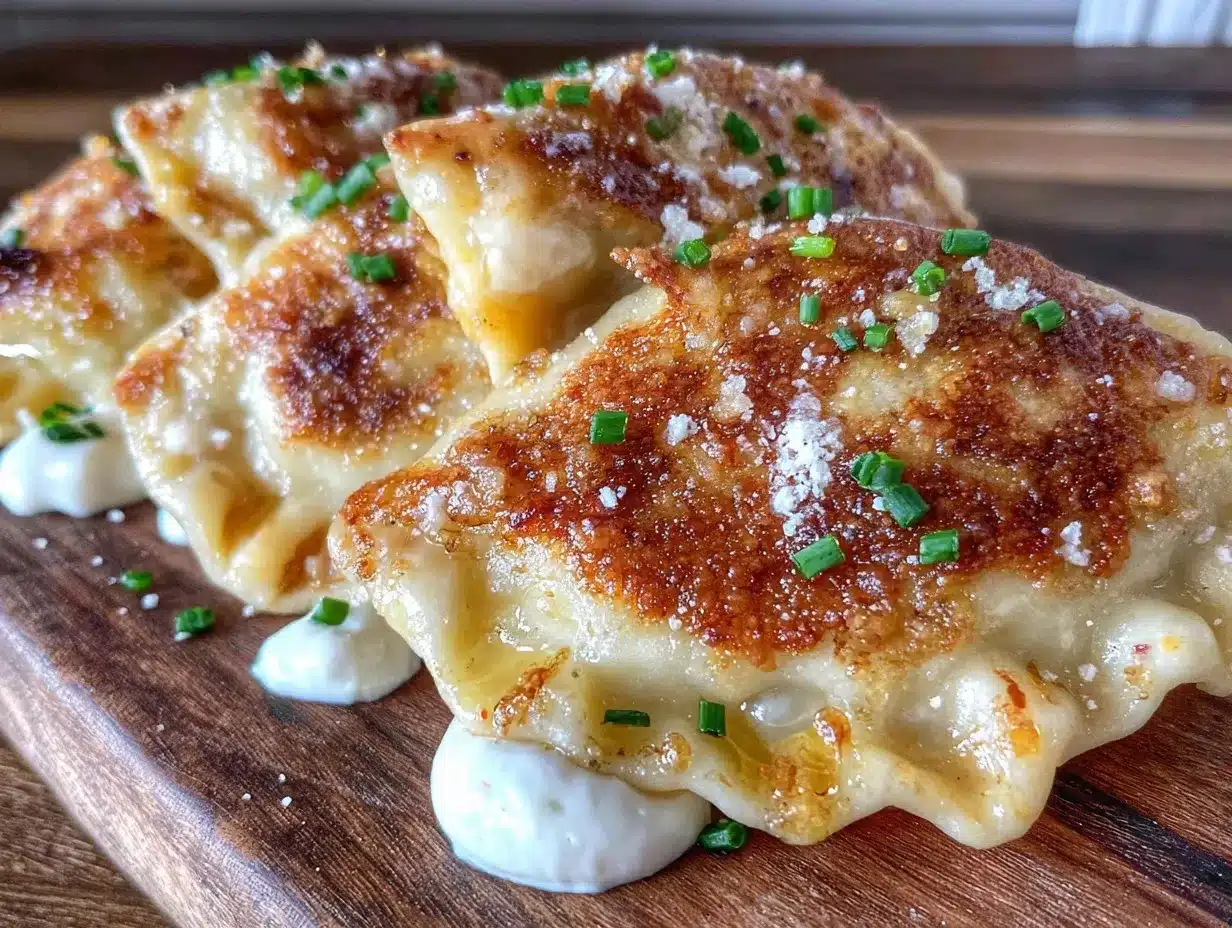
- Prepare the dough: In a large bowl, combine the sifted flour and salt. In a separate small bowl, whisk eggs, warm water, and oil together. Gradually add the wet mixture to the flour, mixing with a wooden spoon until the dough starts to come together.
- Knead the dough: Turn the dough onto a lightly floured surface. Knead for about 8-10 minutes until smooth and elastic. It should feel slightly tacky but not sticky. If it’s too sticky, add a bit more flour, a tablespoon at a time.
- Rest the dough: Cover the dough ball with a clean kitchen towel or plastic wrap and let it rest for at least 30 minutes. This relaxes the gluten and makes rolling easier.
- Prepare the fillings: While the dough rests, boil and mash the potatoes for the potato filling. Sauté the onion until golden, then mix it into the potatoes with farmer’s cheese, salt, and pepper.
- Mushroom & sauerkraut filling: Sauté onions in butter until translucent, then add mushrooms and cook until moisture evaporates and mushrooms brown slightly. Stir in sauerkraut, season with salt and pepper, and cook 2-3 more minutes. Let cool.
- Sweet cheese filling: Mix farmer’s cheese with sugar, vanilla, and lemon zest until smooth. Adjust sweetness to taste.
- Roll out the dough: Divide rested dough into two portions. On a floured surface, roll each portion out to about 1/8-inch (3mm) thickness. Use your cutter or glass to cut out circles.
- Fill the pierogi: Place about 1 tablespoon of your chosen filling in the center of each dough circle. Be careful not to overfill; it can make sealing tricky.
- Seal the pierogi: Fold the dough over the filling to create a half-moon shape. Press edges firmly to seal, then crimp with your fingers or a fork for a secure seal.
- Boil the pierogi: Bring a large pot of salted water to a gentle boil. Drop pierogi in batches, stirring gently to prevent sticking. When they float to the top, cook for 2 more minutes. Use a slotted spoon to remove and drain.
- Optional finishing: For extra flavor, sauté boiled pierogi in butter until golden and crisp on both sides.
- Serve: Drizzle with melted butter and serve warm with sour cream or your favorite toppings.
Pro tip: Don’t crowd the pot when boiling — overcrowding causes pierogi to stick together. Also, rest the dough long enough; it really makes rolling easier and dough less prone to tearing. And if you notice your pierogi filling is too wet, especially the mushroom mixture, be sure to squeeze out excess moisture.
Cooking Tips & Techniques
Perfecting pierogi is part technique, part patience. One trick I learned is to keep your workspace floured but not overloaded — too much flour can make the dough tough. Handle the dough gently but confidently, especially when sealing. Press edges firmly to avoid leaks during boiling (no one likes soggy pierogi filling in the water!).
Boiling water should be at a gentle boil, not a furious one, to keep pierogi intact. When they float, it’s a sign they’re almost done. I usually wait an extra 2 minutes to make sure the dough is fully cooked but still tender.
One mistake I made when starting out was overfilling the pierogi. It’s tempting to stuff as much as possible, but that just causes tearing and filling loss. Stick to about a tablespoon of filling per dumpling — it’s just right.
When sautéing mushrooms or onions, patience is key. Cook low and slow to develop rich flavors and reduce moisture. Otherwise, the filling can become watery and difficult to seal.
Multitasking tip: While the dough rests, prep all your fillings. This way, once you start rolling and filling, you keep a smooth workflow. And when boiling, keep a bowl of ice water nearby to cool pierogi if you want to freeze them for later.
Variations & Adaptations
- Vegan version: Swap eggs for a flaxseed “egg” (1 tbsp ground flaxseed + 3 tbsp water), and use vegan cheese or mashed tofu in place of farmer’s cheese.
- Seasonal flavors: Try adding fresh herbs like dill or chives to the potato filling, or swap sauerkraut for caramelized cabbage in fall.
- Sweet fruit pierogi: Instead of cheese, fill pierogi with mashed berries or plums mixed with sugar for a dessert twist.
- Gluten-free dough: Use a blend of rice flour and tapioca starch with xanthan gum to mimic dough elasticity (results in a more delicate pierogi).
- Cooking methods: Instead of boiling, you can pan-fry frozen pierogi straight from the freezer for a crispy finish, or bake them with a drizzle of olive oil for a lighter option.
One personal favorite variation I tried was adding sautéed spinach and feta to the classic potato filling. It added a fresh, tangy note that the family really enjoyed. Don’t be afraid to experiment with fillings to suit your tastes or dietary needs.
Serving & Storage Suggestions
Serve pierogi warm, right after cooking or sautéing, topped with melted butter and a dollop of sour cream for extra richness. They pair beautifully with a crisp green salad or a bowl of hot borscht to complete the Polish feast.
Leftover pierogi can be stored in an airtight container in the refrigerator for up to 3 days. Reheat gently in a skillet with a bit of butter to regain that lovely crispness, or microwave briefly covered to keep them moist.
For longer storage, freeze uncooked pierogi on a baking sheet until firm, then transfer to freezer bags. Boil or pan-fry straight from frozen — no need to thaw. Flavors often develop and deepen after a day or two, so pierogi leftovers can taste even better!
Nutritional Information & Benefits
Each serving of this pierogi trio (about 6 pieces) provides roughly 350-400 calories, depending on filling choice, with a good balance of carbs, protein, and fat. The potato and cheese filling offers comforting carbs and protein, while the mushroom and sauerkraut filling brings fiber and beneficial probiotics.
Using fresh, simple ingredients means minimal additives or preservatives. Pierogi can fit into a balanced diet, especially when paired with fresh vegetables or salads. For those watching gluten or dairy, gluten-free dough options and vegan fillings make this recipe adaptable.
From a wellness perspective, these pierogi deliver satisfying comfort food without being overly heavy. The homemade dough keeps things wholesome, while the fillings provide nourishing nutrients from real foods — making them a treat you don’t have to feel guilty about.
Conclusion
This irresistible Polish pierogi trio recipe with 3 classic fillings is a dish you’ll come back to time and again. It’s approachable, flavorful, and steeped in tradition — perfect for anyone wanting to bring a touch of Poland into their kitchen. Whether you stick to the classic fillings or try your own spin, the joy of making pierogi from scratch is unmatched.
I love this recipe because it connects me to family memories and creates new ones with every batch. It’s food that comforts, satisfies, and impresses all at once. Give it a try, and I’d love to hear your pierogi stories or variations!
Don’t forget to share this recipe with friends and comment below with your favorite fillings or tips. Happy cooking, and may your pierogi always be tender and delicious!
FAQs About Polish Pierogi Trio Recipe
How long does it take to make pierogi from scratch?
Expect about 1.5 to 2 hours, including making the dough, preparing fillings, shaping, boiling, and optional frying.
Can I freeze pierogi before cooking?
Yes! Freeze them on a baking sheet until firm, then transfer to freezer bags. Boil or fry directly from frozen.
What’s the best way to prevent pierogi from sticking together?
Use plenty of flour while rolling and shaping, boil in plenty of water without overcrowding, and stir gently after adding them to the pot.
Can I make pierogi dough without eggs?
Yes, you can substitute eggs with flaxseed “eggs” or omit entirely, but the dough may be less elastic and slightly more fragile.
What’s the difference between pierogi and other dumplings?
Pierogi are Polish dumplings typically filled with savory or sweet fillings, boiled and sometimes fried. Their dough is usually thicker and chewier compared to Asian dumplings.
Pin This Recipe!

Irresistible Polish Pierogi Trio Recipe with 3 Classic Fillings Made Easy

This recipe features traditional Polish pierogi with three classic fillings: potato and cheese, mushroom and sauerkraut, and sweet farmer’s cheese. Easy to make from scratch, these dumplings offer comforting, authentic flavors perfect for any occasion.
- Prep Time: 45 minutes
- Cook Time: 45 minutes
- Total Time: 1 hour 30 minutes
- Yield: 6 servings (about 6 pierogi per serving)
- Category: Main Course
- Cuisine: Polish
Ingredients
- All-purpose flour – 3 cups (360g), sifted
- Large eggs – 2, room temperature
- Warm water – ¾ cup (180ml)
- Salt – 1 tsp
- Vegetable oil or melted butter – 2 tbsp
- Russet potatoes – 3 medium (about 1 lb / 450g), peeled and boiled
- Creamy farmer’s cheese or ricotta – 1 cup (225g)
- Onion – 1 small, finely chopped and sautéed
- Salt and black pepper – to taste
- Fresh cremini or button mushrooms – 8 oz (225g), finely chopped
- Sauerkraut – 1 cup (150g), drained and chopped
- Onion – 1 medium, diced and sautéed
- Butter – 1 tbsp for sautéing
- Salt and pepper – to taste
- Farmer’s cheese or quark – 1 cup (225g)
- Granulated sugar – 3 tbsp
- Vanilla extract – 1 tsp
- Lemon zest – 1 tsp (optional)
- Butter – for serving (melted and drizzled on top)
- Sour cream – optional, for dipping
Instructions
- Prepare the dough: In a large bowl, combine the sifted flour and salt. In a separate small bowl, whisk eggs, warm water, and oil together. Gradually add the wet mixture to the flour, mixing with a wooden spoon until the dough starts to come together.
- Knead the dough: Turn the dough onto a lightly floured surface. Knead for about 8-10 minutes until smooth and elastic. It should feel slightly tacky but not sticky. If it’s too sticky, add a bit more flour, a tablespoon at a time.
- Rest the dough: Cover the dough ball with a clean kitchen towel or plastic wrap and let it rest for at least 30 minutes.
- Prepare the fillings: Boil and mash the potatoes for the potato filling. Sauté the onion until golden, then mix it into the potatoes with farmer’s cheese, salt, and pepper.
- Mushroom & sauerkraut filling: Sauté onions in butter until translucent, then add mushrooms and cook until moisture evaporates and mushrooms brown slightly. Stir in sauerkraut, season with salt and pepper, and cook 2-3 more minutes. Let cool.
- Sweet cheese filling: Mix farmer’s cheese with sugar, vanilla, and lemon zest until smooth. Adjust sweetness to taste.
- Roll out the dough: Divide rested dough into two portions. On a floured surface, roll each portion out to about 1/8-inch (3mm) thickness. Use a cutter or glass to cut out circles.
- Fill the pierogi: Place about 1 tablespoon of your chosen filling in the center of each dough circle. Be careful not to overfill.
- Seal the pierogi: Fold the dough over the filling to create a half-moon shape. Press edges firmly to seal, then crimp with fingers or a fork.
- Boil the pierogi: Bring a large pot of salted water to a gentle boil. Drop pierogi in batches, stirring gently to prevent sticking. When they float to the top, cook for 2 more minutes. Remove with a slotted spoon and drain.
- Optional finishing: Sauté boiled pierogi in butter until golden and crisp on both sides.
- Serve: Drizzle with melted butter and serve warm with sour cream or your favorite toppings.
Notes
Use room temperature eggs and warm water for best dough texture. Avoid watery cheeses for fillings. For gluten-free dough, substitute flour with rice and tapioca flour blend but expect more delicate dough. Do not overcrowd pierogi when boiling to prevent sticking. Sauté mushrooms and onions slowly to reduce moisture. Freeze uncooked pierogi on a baking sheet before storing in freezer bags for best results.
Nutrition
- Serving Size: About 6 pierogi per
- Calories: 375
- Sugar: 4
- Sodium: 350
- Fat: 12
- Saturated Fat: 5
- Carbohydrates: 50
- Fiber: 3
- Protein: 10
Keywords: pierogi, Polish dumplings, potato and cheese pierogi, mushroom pierogi, sauerkraut pierogi, sweet cheese pierogi, traditional Polish recipe, homemade pierogi, dumplings, comfort food