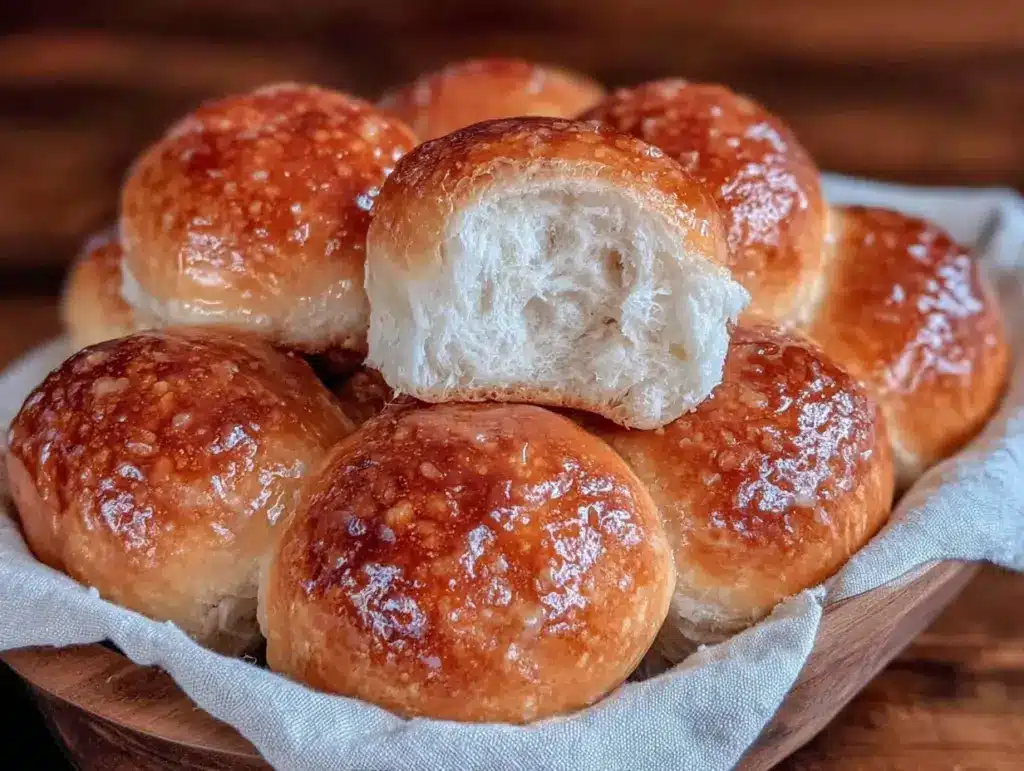
Back when my kids were little, Sunday mornings were sacred. We’d all gather in the kitchen, sleepy-eyed but excited for fresh homemade bread. One particular morning, my daughter begged for something “extra soft and fluffy”—something that melted in your mouth. I’d heard about Japanese milk bread rolls but never tried making them myself. After a few messy attempts (and a dough that stuck everywhere), I finally nailed the perfect fluffy soft homemade bread from scratch that became our Sunday staple.
Now, this Japanese milk bread rolls recipe easy fluffy soft homemade bread from scratch is one I’ve tested over 15 times, tweaking every little detail so you don’t have to. It’s that slightly sweet, pillowy bread with a tender crumb that just makes you want to tear into it warm, slathered with butter or jam. If you love baking but have been intimidated by fancy bread recipes, this one is for you—simple ingredients, straightforward steps, and a result that tastes like you spent hours in the kitchen (but really, it’s doable on a weekend morning or even a leisurely afternoon).
Here’s the thing: making bread from scratch doesn’t have to be complicated or scary. This recipe shows you how to make Japanese milk bread rolls for a family breakfast, an easy dinner side, or even a cozy snack any day of the week. And because I know how precious your time is, I’ve included tips to help you avoid the common pitfalls (like dough that won’t rise or bread that’s too dense). Ready to get soft, fluffy, and hooked? Let’s do this.
Why You’ll Love This Recipe
This Japanese milk bread rolls recipe has changed the way I think about homemade bread. It’s not just another loaf; it’s the kind of bread that feels like a warm hug on a plate.
- Fluffy Soft Texture — Thanks to the magic of the tangzhong method (a cooked flour-water paste), these rolls stay incredibly soft even days later. I’ve made other bread recipes that go rock-hard by day two. Not this one.
- Perfect for Family Meals — Whether you’re serving these rolls alongside a hearty stew or as part of a Sunday brunch, they’re always a hit. My kids love them with honey or tucked around leftover roast chicken. It’s become a must-have for our weekend family dinners.
- From Scratch but Not Complicated — Yes, it takes some time for rising, but the actual hands-on work is minimal. Plus, you probably have most ingredients already. This is my go-to when I want a homemade touch without the fuss.
- Great for Meal Prep or Freezing — These rolls freeze beautifully. I bake a batch, freeze extras, and pull them out for quick snacks or to accompany meals later in the week.
- Feeds Everyone — From picky toddlers to my carb-loving husband, these rolls satisfy all. They’re neutral enough to pair with savory or sweet, and they’re naturally vegetarian too.
This recipe is perfect for a relaxed weekend breakfast or a cozy weeknight family meal. No fancy equipment, no weird ingredients, just reliable, fluffy homemade bread that makes your kitchen smell amazing. If you love easy bread recipes that deliver on texture and taste, you’ll want to keep this one close.
Ingredients for Japanese Milk Bread Rolls
Here’s the best part: you probably have most of these ingredients already. I’m pretty particular about a few key things—I’ll tell you why as we go.
- Bread Flour (3 ½ cups / 420g) — High-protein bread flour gives the dough strength and chewiness. All-purpose flour can work but the texture won’t be quite as soft.
- Milk (1 cup / 240ml, warm) — Whole milk is best for richness. Avoid skim or low-fat; the bread won’t be as tender.
- Instant Yeast (2 ¼ teaspoons / 1 packet) — I use Fleischmann’s for consistent results. Make sure it’s fresh.
- Sugar (¼ cup / 50g) — Adds a gentle sweetness that balances the bread. You can reduce a bit if you prefer less sweet.
- Salt (1 teaspoon) — Enhances flavor and controls yeast activity.
- Unsalted Butter (4 tablespoons / 56g, softened) — Adds richness and softness. Don’t skip this; it’s key to that tender crumb.
- Egg (1 large) — Helps with color and texture, binding the dough.
- Water (⅓ cup / 80ml) — Used in the tangzhong starter for that signature softness.
- All-Purpose Flour (⅓ cup / 40g) — Also for the tangzhong paste; this cooked flour mixture locks in moisture.
If you want a shortcut, I sometimes use pre-softened butter from my fridge stash (I keep some ready for baking). For the milk, if you don’t have whole milk, a mix of half whole milk and half cream works well too. Trust me, I’ve tested this recipe with various tweaks, and these are what make it shine.
Equipment Needed
You don’t need anything fancy for this. Here’s what I actually use:
- Mixing Bowls — A large bowl for the dough and a small one for the tangzhong. Glass or stainless steel works best.
- Whisk and Wooden Spoon — For mixing the tangzhong and initial dough ingredients.
- Dough Hook and Stand Mixer — Optional but helpful. I own a KitchenAid and it speeds things up, but you can knead by hand (just expect a good workout).
- Measuring Cups and Spoons — Accuracy matters for baking, so I recommend using a kitchen scale if you have one.
- Loaf Pan or Baking Sheet — I prefer a 9×5-inch loaf pan for shaping the rolls, but a baking sheet works if you want free-form rolls.
- Kitchen Towel or Plastic Wrap — To cover the dough while it rises, keeping it warm and moist.
Optional but useful:
- Instant-Read Thermometer — To check milk temperature for the tangzhong (around 130°F / 54°C is perfect).
- Pastry Brush — For brushing melted butter on the finished rolls, adding shine and extra softness.
How to Make Japanese Milk Bread Rolls from Scratch
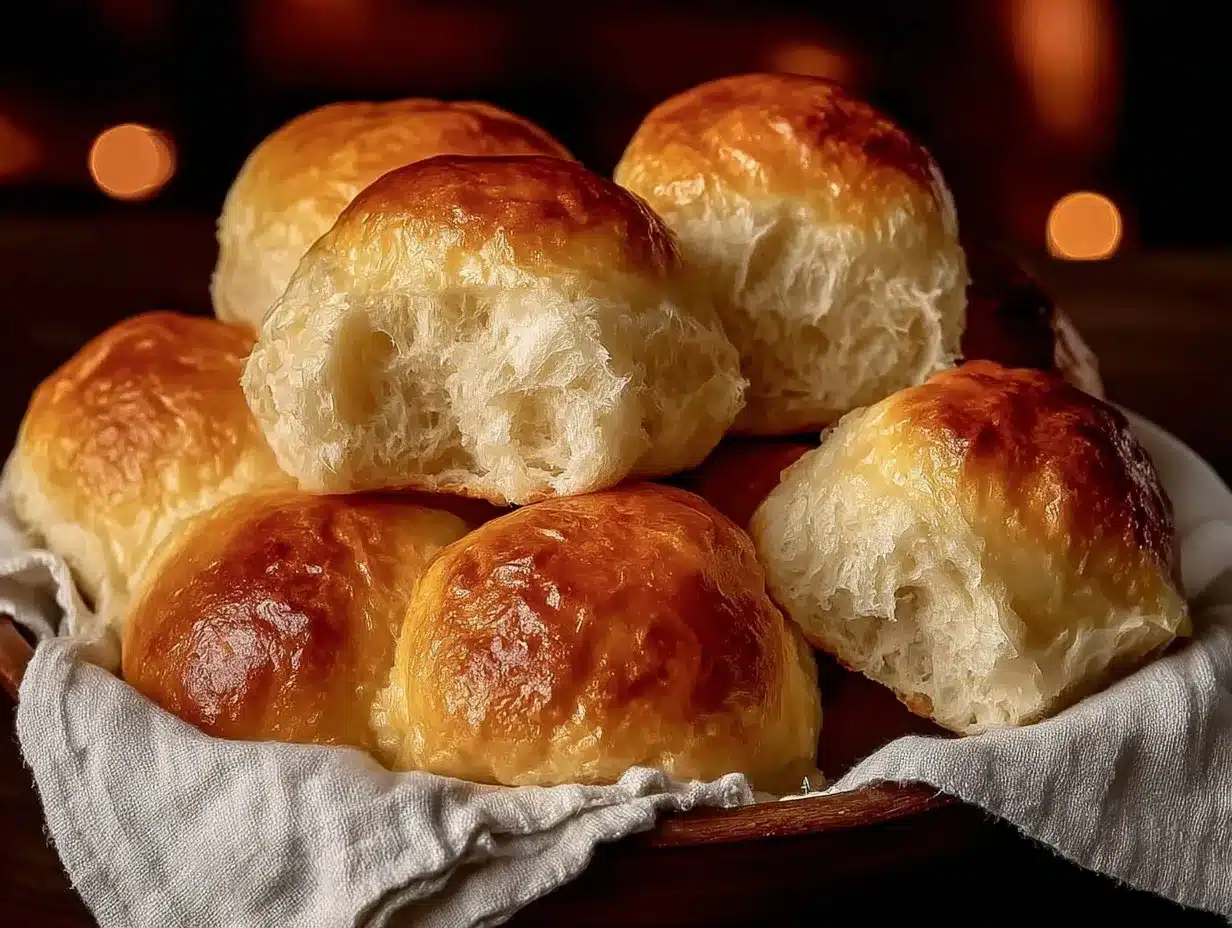
Alright, let’s get into it. I’ll walk you through exactly how I make this Japanese milk bread rolls recipe easy fluffy soft homemade bread from scratch, including the small tricks that actually make a difference.
- Make the Tangzhong Starter (5 minutes)
Combine ⅓ cup water and ⅓ cup all-purpose flour in a small saucepan. Whisk constantly over medium-low heat until it thickens to a pudding-like consistency (about 3–5 minutes). It should look glossy and smooth, not lumpy. This step locks in moisture so the rolls stay soft for days. Transfer to a bowl and cool to room temperature. - Mix the Dough (10 minutes)
In a large mixing bowl, combine bread flour, sugar, salt, and instant yeast on one side (yeast and salt should not touch). Add the cooled tangzhong, warm milk, egg, and softened butter. Stir with a wooden spoon or use your stand mixer fitted with a dough hook on low speed. The dough should come together into a shaggy ball. The texture is soft but not sticky — if it clings to your fingers too much, add flour a tablespoon at a time. - Knead the Dough (8–10 minutes)
Knead by hand on a floured surface or with your mixer until the dough is smooth, elastic, and slightly tacky but doesn’t stick to your hands. You’ll know it’s ready when you can stretch it thin without tearing (the windowpane test). This develops the gluten for that perfect chewy crumb. - First Rise (1 to 1 ½ hours)
Place the dough in a lightly greased bowl and cover with a damp kitchen towel or plastic wrap. Let it rise in a warm spot until doubled in size. This patience pays off with the softest bread. - Shape the Rolls (10 minutes)
Punch down the dough gently to release air. Divide into 8 equal pieces (about 90g each). Shape each piece into a smooth ball by tucking edges underneath. Arrange in a greased loaf pan or on a parchment-lined baking sheet, leaving space for them to expand. - Second Rise (45 minutes)
Cover again and let the rolls rise until puffy and nearly doubled. They should look soft and pillowy with a slight jiggle when you gently poke. - Bake (20–25 minutes)
Preheat oven to 350°F (175°C). Brush the rolls with a little milk or egg wash for a shiny finish. Bake until golden brown on top and the internal temperature hits 190°F (88°C). The rolls should sound hollow when tapped. - Cool and Enjoy (30 minutes)
Let the rolls cool in the pan for 10 minutes, then transfer to a wire rack. Brush with melted butter while warm for extra softness and shine. Tear into one and savor the fluffy, tender crumb.
Total time: About 3 hours including rises, with roughly 30 minutes active hands-on time. Worth every minute.
Expert Tips & Tricks
Here’s everything I’ve figured out from making this Japanese milk bread rolls recipe dozens of times. These tips will save you from the mistakes I already made.
- Don’t Skip the Tangzhong — This cooked flour paste is the secret behind the signature soft, fluffy texture. I burned this step once by leaving it on heat too long, and the dough was dense. Be patient, whisk constantly, and cool before adding.
- Use Warm Milk (Not Hot!) — Around 100°F (38°C) is ideal for activating yeast without killing it. I learned this the hard way when my dough just wouldn’t rise because the milk was too hot.
- Keep Salt and Yeast Separate at First — Salt can kill yeast if it touches directly before mixing. I mix dry ingredients on one side and yeast on the other, then combine with wet ingredients.
- Don’t Over-Knead — Dough should be elastic but still soft. Over-kneading makes the bread tough. Stop when the dough passes the windowpane test (stretch dough thin without tearing).
- Control Your Rising Environment — Yeast loves warmth and humidity. If your kitchen’s cold, preheat your oven to 200°F (93°C) for 2 minutes, then turn it off and place the dough inside covered with a towel.
- Brush Rolls While Warm — Melted butter brushed right after baking keeps the crust soft and shiny. I often double this step, brushing again after cooling.
Common mistakes:
- Mistake: Dough won’t rise
Fix: Check yeast freshness and milk temperature. Warm environment helps. - Mistake: Bread too dense
Fix: Don’t skip tangzhong, knead enough but not too much, and allow full rise times. - Mistake: Crust too hard
Fix: Brush with butter right out of the oven and store in airtight container.
Variations & Substitutions
Once you’ve got the base version down, here’s how I mix it up. I’ve actually tried all of these.
- Sweet Red Bean Filling — Roll out dough pieces flat, spread 1 tablespoon of sweetened red bean paste, then roll back into balls before the second rise. Makes a classic Asian bakery-style treat perfect for brunch or a cozy snack.
- Herb-Infused Rolls — Add 1 tablespoon of finely chopped fresh rosemary or thyme to the dough. I like these alongside roast chicken or a vegetable stew (like honey roasted butternut squash).
- Whole Wheat Version — Substitute half the bread flour with whole wheat for a nuttier flavor and more fiber. The texture is a bit denser but still soft thanks to the tangzhong.
- Dairy-Free Option — Use coconut milk or almond milk instead of dairy milk, and substitute butter with coconut oil. The flavor changes but the rolls stay surprisingly tender. Great if you want a vegan-friendly bread.
These rolls are great for holiday dinners or casual family meals. They pair beautifully with green beans or vegetables like in my sautéed green beans with lemon zest recipe, bringing a soft, comforting carb to balance fresh, crisp sides.
Serving & Storage
I usually serve these Japanese milk bread rolls straight from the pan while they’re still warm—soft, fluffy, and inviting. They’re perfect with butter, jam, or alongside a hearty soup or stew.
Some of my favorite side pairings:
- Garlic butter green beans, like my Asian sesame green beans for a little extra flavor kick.
- A simple mixed greens salad with a light vinaigrette to balance the richness.
- Roasted root vegetables or a classic green bean casserole for holiday dinners.
Storage:
- Fridge: Store in an airtight container for up to 4 days. The bread will firm up but stays soft enough to warm.
- Reheating: Best to reheat gently in the oven or microwave with a damp paper towel to keep moisture. I like to brush with a bit of butter after warming.
- Freezing: These rolls freeze well. Wrap individually or in small batches, thaw at room temperature, and warm up before serving. Avoid freezing if you prefer the freshest texture.
Nutrition Information
I’m not a nutritionist, but here’s the breakdown if you’re keeping track. This is based on 8 rolls.
| Per Serving | Amount |
|---|---|
| Calories | 180 |
| Protein | 5g |
| Carbohydrates | 28g |
| Fiber | 1g |
| Sugar | 4g |
| Fat | 5g |
| Saturated Fat | 3g |
| Sodium | 180mg |
Look—this is comfort food made with butter, milk, and a little sugar. It’s not diet food, and I’m not going to pretend it is. But it’s way better than store-bought bread, costs less, and you know exactly what’s inside. When I want something lighter, I swap in half whole wheat flour and add herbs. Most days though? I make the classic version and enjoy every soft, fluffy bite.
Final Thoughts
Remember that Sunday morning when my daughter wanted something soft and fluffy? These Japanese milk bread rolls became more than just bread—they turned into a family tradition, a little ritual of warmth and comfort. That’s what baking from scratch can do. Make this recipe yours. Add more sugar if you like it sweeter, toss in some herbs or cheese, or try shaping the dough into buns or a loaf. The base is forgiving and full of potential.
If you make this, drop a comment and tell me how it went. And if something goes wrong, tell me that too—I genuinely want to help troubleshoot. That’s what the comments are for.
Happy cooking—I hope your kitchen smells amazing.
Frequently Asked Questions
Q: Can I make Japanese milk bread rolls without eggs?
A: Yes, you can make these rolls without eggs, though the texture will be slightly different—less tender and a bit denser. I’ve made an egg-free version using an extra tablespoon of milk and a tablespoon of yogurt to help with moisture and binding. It still turns out soft but with a different crumb. Perfect if you have an egg allergy or just ran out. Just keep an eye on the dough consistency and adjust flour or liquid as needed.
Q: Why did my Japanese milk bread rolls turn out dense or heavy?
A: This is usually because the dough didn’t rise enough or the tangzhong wasn’t cooked properly. I once forgot to let my dough rise in a warm spot and ended up with dense rolls. Make sure your yeast is fresh, milk is warm (not hot), and you allow the dough to double in size during both rises. Also, don’t skip the tangzhong step—it’s key to that airy texture.
Q: Can I make these rolls ahead for a family dinner or holiday meal?
A: Absolutely! You can prepare the dough and do the first rise a day ahead, then shape and do the second rise just before baking. Or bake the rolls fully and freeze them, then reheat for your holiday gathering. I’ve done this for holiday dinners and it worked perfectly alongside sides like my crockpot green bean casserole.
Q: Are these rolls gluten-free or dairy-free?
A: The classic recipe isn’t gluten-free or dairy-free, but you can adapt it. For gluten-free, substitute bread flour with a gluten-free baking blend and add xanthan gum if your blend doesn’t already have it. For dairy-free, swap milk for full-fat coconut or almond milk and butter for coconut oil. Texture and flavor will change, but you can still get soft rolls. I tested a dairy-free version with coconut milk once, and while different, it was surprisingly good.
Q: Can I double or halve this Japanese milk bread rolls recipe?
A: Yes, this recipe scales well. Doubling is great if you want to freeze extras, but make sure to use a large enough bowl and give the dough plenty of room to rise. Halving works too, just be mindful of your pan size if shaping in a loaf pan. I’ve halved it when I just wanted a smaller batch to avoid waste.
Q: How do I store leftover Japanese milk bread rolls to keep them soft?
A: Store leftover rolls in an airtight container or resealable bag at room temperature for up to 2 days, or in the fridge for up to 4 days. To keep them soft, warm them slightly before serving and brush with melted butter. Avoid leaving them uncovered, which dries them out quickly. Freezing is your best bet for longer storage.
Q: What’s the difference between Japanese milk bread rolls and regular dinner rolls?
A: The key difference is the tangzhong method used in Japanese milk bread rolls, where a cooked flour-water paste is incorporated to lock in moisture. This gives the bread its signature fluffy softness and longer shelf life. Regular dinner rolls don’t usually use this technique, so they can be drier or denser after a day or two. I love the texture of Japanese milk bread—it’s almost cloud-like compared to typical rolls.
Pin This Recipe!
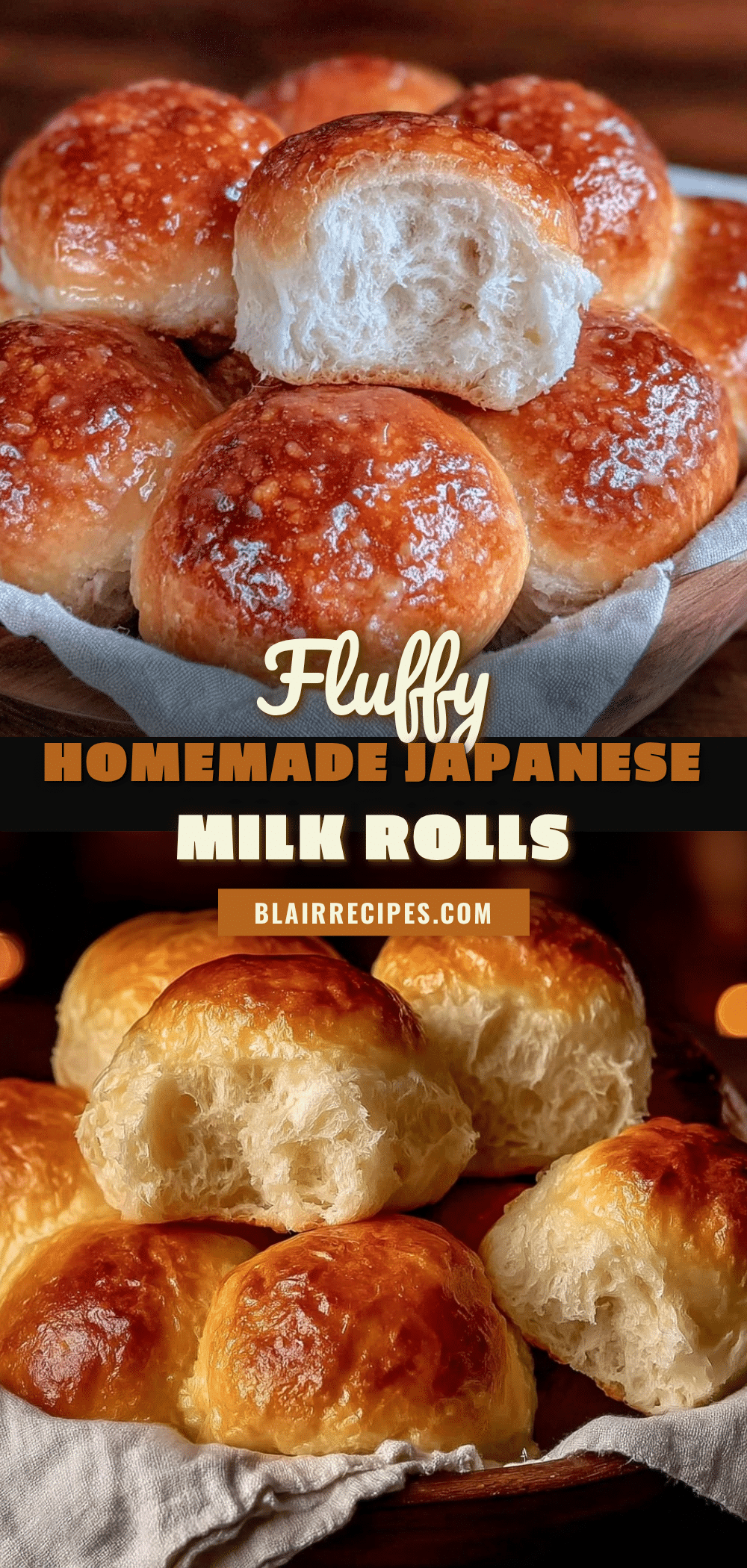
Japanese Milk Bread Rolls

Soft, fluffy, and slightly sweet Japanese milk bread rolls made from scratch using the tangzhong method for a tender crumb and long-lasting softness.
- Prep Time: 30 minutes (active hands-on time)
- Cook Time: 20–25 minutes
- Total Time: About 3 hours (including rises)
- Yield: 8 rolls 1x
- Category: Bread
- Cuisine: Japanese
Ingredients
- 3 ½ cups (420g) bread flour
- 1 cup (240ml) warm whole milk
- 2 ¼ teaspoons (1 packet) instant yeast
- ¼ cup (50g) sugar
- 1 teaspoon salt
- 4 tablespoons (56g) unsalted butter, softened
- 1 large egg
- ⅓ cup (80ml) water (for tangzhong)
- ⅓ cup (40g) all-purpose flour (for tangzhong)
Instructions
- Make the Tangzhong Starter: Combine ⅓ cup water and ⅓ cup all-purpose flour in a small saucepan. Whisk constantly over medium-low heat until thickened to a pudding-like consistency (3–5 minutes). Cool to room temperature.
- Mix the Dough: In a large bowl, combine bread flour, sugar, salt, and instant yeast on separate sides. Add cooled tangzhong, warm milk, egg, and softened butter. Stir until a shaggy dough forms.
- Knead the Dough: Knead by hand or mixer for 8–10 minutes until smooth, elastic, and slightly tacky but not sticky. Perform the windowpane test.
- First Rise: Place dough in a greased bowl, cover, and let rise in a warm spot until doubled in size (1 to 1 ½ hours).
- Shape the Rolls: Punch down dough, divide into 8 equal pieces (~90g each), shape into smooth balls, and arrange in a greased loaf pan or baking sheet.
- Second Rise: Cover and let rolls rise until puffy and nearly doubled (about 45 minutes).
- Bake: Preheat oven to 350°F (175°C). Brush rolls with milk or egg wash. Bake 20–25 minutes until golden and internal temperature reaches 190°F (88°C).
- Cool and Enjoy: Cool rolls in pan 10 minutes, transfer to wire rack, brush with melted butter while warm, then serve.
Notes
Do not skip the tangzhong step for soft texture. Use warm milk around 100°F (38°C) to activate yeast without killing it. Keep salt and yeast separate initially. Avoid over-kneading to keep bread tender. Use a warm, humid environment for rising. Brush rolls with melted butter after baking and cooling for extra softness and shine.
Nutrition
- Serving Size: 1 roll
- Calories: 180
- Sugar: 4
- Sodium: 180
- Fat: 5
- Saturated Fat: 3
- Carbohydrates: 28
- Fiber: 1
- Protein: 5
Keywords: Japanese milk bread, milk bread rolls, tangzhong bread, soft bread, fluffy bread, homemade bread, easy bread recipe