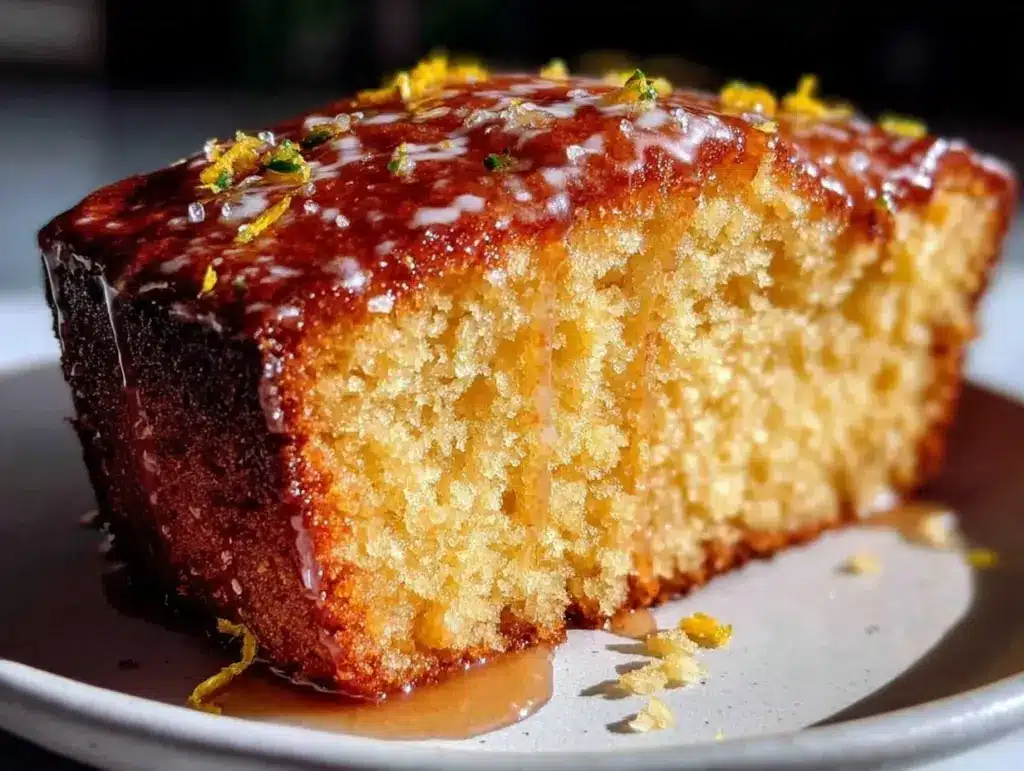
There was this late Sunday afternoon when the sky was a bit gloomy, and honestly, I just wanted something comforting but fresh. I rummaged through the fridge and spotted a few lemons that had been sitting way too long — a bit sad, really. It hit me: why not whip up a lemon pound cake? But not just any pound cake. I wanted it moist, rich, with that classic zing that wakes you up without overwhelming the senses. I wasn’t entirely sure if a pound cake could pull off that balance, but I gave it a shot anyway.
The first bite was a surprise. Moist, not dense; zesty, but smooth; a glaze that wasn’t too sweet but just the right kiss of sugar and lemon. I found myself slicing it again the next day, and the day after. It became a quiet staple — something that felt like a little celebration for the ordinary moments. This moist lemon pound cake with glaze isn’t just a dessert. It’s the kind of treat that reminds you how simple ingredients and a bit of patience can turn into something unexpectedly delightful. I guess it stuck with me because it’s exactly what I needed that rainy afternoon — a classic, zesty dessert with a homemade touch that feels just right.
Why You’ll Love This Recipe
- Quick & Easy: This moist lemon pound cake comes together in under an hour, making it perfect for those times when you want something homemade without the fuss.
- Simple Ingredients: No need to hunt down exotic items; most ingredients are pantry staples you already have on hand.
- Perfect for Any Occasion: Whether it’s brunch, afternoon tea, or a cozy family dessert, this cake fits right in.
- Crowd-Pleaser: Kids, adults, picky eaters — everyone seems to ask for seconds once they try it.
- Unbelievably Delicious: The tender crumb and bright lemon glaze strike a balance that’s both nostalgic and fresh.
This isn’t just another lemon cake; it’s a recipe I tweaked after a few kitchen experiments to get that perfect moist texture and that zingy glaze that doesn’t overpower. The secret lies in balancing the lemon juice and zest with just the right amount of butter and sugar, plus a hint of vanilla for depth. Honestly, it’s a little slice of sunshine in cake form, the kind that makes you close your eyes and smile after the first bite. If you’re looking for a classic zesty dessert that’s both easy and impressive, this is the one.
What Ingredients You Will Need
This moist lemon pound cake uses simple, wholesome ingredients to deliver bold lemon flavor and a satisfyingly tender texture without any complicated steps. Most of these are pantry staples, with fresh lemon adding that essential brightness.
- All-purpose flour – 2 cups (240 g), sifted for a light crumb
- Baking powder – 1 ½ teaspoons, helps the cake rise just right
- Salt – ½ teaspoon, to balance the sweetness
- Unsalted butter – 1 cup (226 g), softened (I like using Kerrygold for the richness)
- Granulated sugar – 1 ½ cups (300 g), for that classic sweet base
- Large eggs – 4, at room temperature (this makes a big difference in texture)
- Fresh lemon zest – from 2 lemons (adds that vibrant citrus punch)
- Fresh lemon juice – ¼ cup (60 ml), freshly squeezed is best
- Vanilla extract – 1 teaspoon, to round out the flavor
- Buttermilk – ½ cup (120 ml), helps keep the cake moist and tender (can substitute with plain yogurt mixed with a splash of milk)
- Powdered sugar – 1 cup (120 g), for the glaze
- Additional lemon juice – 2 tablespoons (30 ml), to mix into the glaze
If you want a gluten-free version, almond flour works well, though the texture will be a bit different. For dairy-free, swap butter with coconut oil and use a plant-based milk for buttermilk. Always zest before juicing the lemons to keep things neat!
Equipment Needed
- 9×5 inch loaf pan: The classic shape for pound cake. If you don’t have one, a similarly sized baking dish works.
- Mixing bowls: One large for batter, a small one for the glaze.
- Electric mixer or stand mixer: Recommended for creaming butter and sugar well, but a sturdy whisk and some elbow grease can do the job.
- Zester or microplane: Essential for getting fresh lemon zest without the bitter pith.
- Measuring cups and spoons: Precision helps keep the cake consistent.
- Cooling rack: Allows the cake to cool evenly and prevents sogginess.
Personally, using a stand mixer made the creaming step feel effortless and gave me a better crumb. But when I was just starting, a hand mixer worked fine too. For budget options, a basic loaf pan with a non-stick spray or parchment paper lining does wonders.
Preparation Method

- Preheat the oven: Set it to 350°F (175°C). Grease your 9×5 inch loaf pan with butter or non-stick spray and line it with parchment paper for easier removal. This prep takes about 10 minutes.
- Mix dry ingredients: In a medium bowl, whisk together 2 cups all-purpose flour, 1 ½ teaspoons baking powder, and ½ teaspoon salt. Set aside. This helps the baking powder distribute evenly.
- Cream butter and sugar: In a large bowl, beat 1 cup softened unsalted butter with 1 ½ cups granulated sugar on medium-high speed until light and fluffy, about 4-5 minutes. It should look pale and feel airy — this step is key for that moist, tender crumb.
- Add eggs one at a time: Beat in 4 large eggs, one by one, making sure each is fully incorporated before adding the next. Scrape down the bowl as needed to keep everything even. The batter might look a bit curdled here—that’s normal.
- Mix in lemon zest and vanilla: Stir in the zest from 2 lemons and 1 teaspoon vanilla extract. The zest releases oils that give the cake its signature brightness.
- Alternate adding dry ingredients and buttermilk: With the mixer on low speed, add the dry flour mixture in three parts, alternating with ½ cup buttermilk (start and end with flour). Mix just until combined each time to avoid overworking the batter.
- Add lemon juice: Gently fold in ¼ cup fresh lemon juice by hand with a spatula. This adds moisture and a subtle tang without making the batter too wet.
- Pour batter into pan: Scrape the batter into your prepared loaf pan and smooth the top with a spatula.
- Bake: Place in the oven and bake for 55-65 minutes, or until a skewer inserted in the center comes out clean. The cake should be golden brown and spring back lightly when touched. If the top browns too fast, tent with foil halfway through.
- Cool: Let the cake cool in the pan for 15 minutes, then transfer it to a wire rack to cool completely before glazing.
- Prepare the glaze: In a small bowl, whisk together 1 cup powdered sugar and 2 tablespoons fresh lemon juice until smooth. If too thick, add a tiny bit more juice; if too thin, add a pinch more sugar.
- Glaze the cake: Once the cake is completely cool, drizzle the glaze evenly over the top. Let it set for about 20 minutes before slicing.
Pro tip: Cool the cake fully before glazing to prevent the glaze from melting off. I learned this the hard way — a warm cake means a sad, runny glaze.
Cooking Tips & Techniques
Getting the perfect moist lemon pound cake means paying attention to a few details that I’ve learned over multiple batches:
- Room temperature ingredients: Butter and eggs at room temp mix better and trap air, which leads to a lighter texture.
- Cream butter and sugar thoroughly: This step takes a little patience but makes a huge difference in crumb and moisture.
- Don’t overmix once flour is added: Overworking the batter can make the cake tough, so mix until just combined.
- Fresh lemon zest and juice: Use fresh lemons, not bottled juice, for the best flavor. Zest first, then juice to keep it neat.
- Check doneness carefully: Ovens vary. Start testing at 55 minutes with a toothpick to avoid overbaking and drying out the cake.
- Glaze consistency: A glaze that’s too runny will slide off; too thick won’t drizzle well. Adjust with small amounts of lemon juice or powdered sugar.
One time, I forgot to line my pan, and the cake stuck terribly. Lesson learned: parchment paper is your friend for easy removal. Also, multitasking during baking helped — I usually start the glaze prep while the cake cools, saving precious time.
Variations & Adaptations
Making this moist lemon pound cake your own is easy with a few tweaks:
- Gluten-free option: Substitute all-purpose flour with a 1:1 gluten-free baking blend. The texture will be a bit denser but still delicious.
- Herb-infused: Add a teaspoon of finely chopped fresh rosemary or thyme to the batter for a subtle herbal note that pairs wonderfully with lemon.
- Berry twist: Fold in ½ cup fresh blueberries or raspberries for a pop of color and flavor. Reduce lemon juice slightly to balance.
- Dairy-free adaptation: Use coconut oil instead of butter and almond or oat milk mixed with a teaspoon of vinegar as buttermilk substitute.
- Glaze alternatives: Swap the lemon glaze for a simple vanilla or cream cheese glaze for a richer finish.
Personally, I’ve tried the berry twist several times, especially in summer, and it adds a lovely freshness without overpowering the lemon. Feel free to play around with spices like cardamom or ginger for a seasonal spin.
Serving & Storage Suggestions
This moist lemon pound cake is best served at room temperature to enjoy the full depth of flavor and texture. I like to slice it thin and pair it with a cup of tea or a light sparkling wine for a casual afternoon treat.
For storage, wrap the cake tightly in plastic wrap or store it in an airtight container at room temperature for up to 3 days. If you want to keep it longer, freezing works great — slice first, then freeze individual pieces wrapped in parchment and foil. Thaw at room temperature before serving.
Reheating a slice briefly in the microwave (about 10 seconds) revives that soft, moist feeling. Over time, the lemon flavor melds deeper, so leftovers can taste even better the next day. Just avoid glazing until right before serving to keep the texture fresh.
Nutritional Information & Benefits
Here’s a rough estimate per slice (assuming 12 slices): 280 calories, 15g fat, 35g carbohydrates, 3g protein.
The key player here is fresh lemon, packed with vitamin C and antioxidants that support immunity. Using buttermilk adds a slight tang and tender crumb, plus some calcium and protein. While this cake isn’t low-calorie, it’s a treat made from simple, mostly whole ingredients without artificial additives.
If you’re watching gluten or dairy, the variations mentioned above can help you enjoy this classic zesty dessert without worry. It’s always nice to have a dessert that feels both indulgent and a little wholesome.
Conclusion
This moist lemon pound cake with glaze has found a special spot in my recipe repertoire because it’s just so reliably good. It’s straightforward, uses ingredients you recognize, and comes together without drama. But more than that, it’s the kind of dessert that brings a little brightness and comfort when you need it most — like a quiet moment on a rainy afternoon or an effortless treat to share with friends.
Feel free to customize the glaze, play with add-ins, or keep it classic. Either way, it’s a recipe worth trying at least once. I hope it becomes a small favorite in your kitchen like it did in mine. If you give it a go, I’d love to hear how you made it your own!
FAQs
Can I make this lemon pound cake ahead of time?
Yes! It actually tastes great a day or two after baking when the flavors meld. Just store it airtight at room temperature and glaze right before serving.
What if I don’t have buttermilk?
You can mix ½ cup milk with 1 teaspoon lemon juice or vinegar and let it sit for 5 minutes to mimic buttermilk’s tang and acidity.
How can I tell when the cake is done?
Insert a toothpick or skewer in the center; it should come out clean or with a few moist crumbs but no wet batter.
Can I double this recipe for a larger cake?
Yes, double all ingredients and bake in two loaf pans. You may need to adjust baking time slightly, so start checking at 50 minutes.
What’s the best way to zest a lemon?
Use a microplane or fine grater to zest just the yellow part of the peel, avoiding the bitter white pith underneath.
Pin This Recipe!

Moist Lemon Pound Cake Recipe Easy Homemade Classic Zesty Dessert

A moist, rich lemon pound cake with a zesty glaze that balances brightness and sweetness perfectly. This classic homemade dessert is quick, easy, and perfect for any occasion.
- Prep Time: 15 minutes
- Cook Time: 55-65 minutes
- Total Time: 1 hour 10-20 minutes
- Yield: 12 servings 1x
- Category: Dessert
- Cuisine: American
Ingredients
- 2 cups (240 g) all-purpose flour, sifted
- 1 ½ teaspoons baking powder
- ½ teaspoon salt
- 1 cup (226 g) unsalted butter, softened
- 1 ½ cups (300 g) granulated sugar
- 4 large eggs, at room temperature
- Zest of 2 lemons
- ¼ cup (60 ml) fresh lemon juice
- 1 teaspoon vanilla extract
- ½ cup (120 ml) buttermilk (or plain yogurt mixed with a splash of milk)
- 1 cup (120 g) powdered sugar
- 2 tablespoons (30 ml) additional fresh lemon juice
Instructions
- Preheat the oven to 350°F (175°C). Grease a 9×5 inch loaf pan with butter or non-stick spray and line with parchment paper.
- In a medium bowl, whisk together the flour, baking powder, and salt. Set aside.
- In a large bowl, beat the softened butter and granulated sugar on medium-high speed until light and fluffy, about 4-5 minutes.
- Add eggs one at a time, beating well after each addition and scraping down the bowl as needed.
- Stir in the lemon zest and vanilla extract.
- With the mixer on low, add the dry ingredients in three parts, alternating with the buttermilk, starting and ending with the flour mixture. Mix just until combined each time.
- Fold in the fresh lemon juice gently by hand with a spatula.
- Pour the batter into the prepared loaf pan and smooth the top.
- Bake for 55-65 minutes, or until a toothpick inserted in the center comes out clean. Tent with foil halfway through if the top browns too quickly.
- Cool the cake in the pan for 15 minutes, then transfer to a wire rack to cool completely.
- Prepare the glaze by whisking together powdered sugar and lemon juice until smooth. Adjust consistency with more juice or sugar if needed.
- Once the cake is completely cool, drizzle the glaze evenly over the top and let set for about 20 minutes before slicing.
Notes
Use room temperature butter and eggs for better texture. Do not overmix once flour is added to avoid toughness. Cool cake completely before glazing to prevent glaze from melting. For gluten-free, substitute flour with a 1:1 gluten-free blend. For dairy-free, use coconut oil and plant-based milk with vinegar as buttermilk substitute.
Nutrition
- Serving Size: 1 slice (1/12 of cak
- Calories: 280
- Fat: 15
- Carbohydrates: 35
- Protein: 3
Keywords: lemon pound cake, moist lemon cake, lemon glaze, easy lemon dessert, homemade pound cake, classic lemon cake