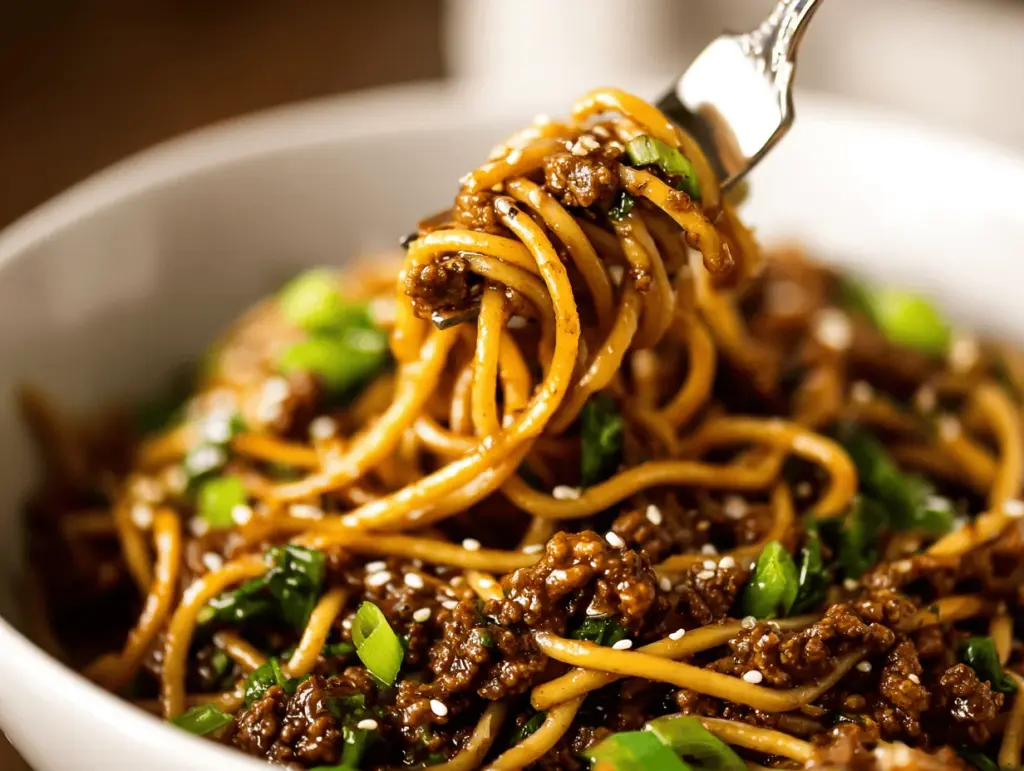
The sizzle of ground beef hitting a hot pan, sweet and savory sauce bubbling up, noodles twirling around chopsticks—honestly, Mongolian Ground Beef Noodles are the kind of dinner that turns a hectic weeknight into a little celebration. I remember the first time I whipped up this recipe; I was craving something bold but didn’t want to stand over the stove forever (let’s face it, those days are rare now). The aroma alone—ginger, garlic, soy, brown sugar—was enough to gather my family in the kitchen before I even called them to the table.
What makes this Mongolian Ground Beef Noodles recipe a regular in my kitchen isn’t just the taste (although, trust me, that’s a huge reason). It’s ridiculously fast, uses pantry staples, and you can tweak it to fit whatever you’ve got on hand. I’ve made it after soccer practice, on chilly nights when comfort food is a must, and even for quick lunches when leftovers are calling my name. The ground beef soaks up all that umami-rich sauce, and the noodles—well, they carry every drop of flavor straight to your taste buds. It’s also perfect for picky eaters, busy families, and anyone who loves a “takeout at home” vibe.
After making this Mongolian Ground Beef Noodles recipe at least twenty times (not exaggerating!), I’ve perfected the sauce ratio, found shortcuts, and even figured out how to sneak in extra veggies when needed. If you want a dinner that feels impressive but is totally doable, this is it. I’m excited to share all my tips, tweaks, and noodle wisdom right here. Let’s get into why you’ll love it as much as I do!
Why You’ll Love This Mongolian Ground Beef Noodles Recipe
- Quick & Easy: You can have dinner on the table in under 30 minutes. Seriously, the longest part is waiting for the noodles to cook!
- Simple Ingredients: No hunting for specialty items. Everything is probably in your fridge or pantry right now.
- Perfect for Busy Nights: Whether it’s a Monday or a Friday, this dish fits right into those “what’s for dinner?” moments.
- Crowd-Pleaser: My kids inhale it, my partner asks for seconds, and it’s the one dish that gets requested for “just one more bite.”
- Unbelievably Delicious: The balance of savory soy, sweet brown sugar, punchy garlic, and ginger creates that crave-worthy flavor you expect from Mongolian beef, but faster and easier.
This Mongolian Ground Beef Noodles recipe stands out for a few reasons. First, using ground beef makes it so much quicker than classic Mongolian beef (which usually needs slicing and marinating). Second, I blend the sauce right in the pan—no extra bowls, no fuss. And third, you get that signature glossy, sticky finish thanks to a touch of cornstarch and just the right simmer time.
Honestly, this is the kind of recipe that makes you do a happy dance after tasting it. It’s comforting, a little nostalgic (it reminds me of Asian takeout nights), but with a homemade twist. You can make it spicy, keep it mild, or toss in any leftover veggies—it always works. If you’re looking for a foolproof family dinner, or something to impress friends with minimal effort, Mongolian Ground Beef Noodles never disappoints.
What Ingredients You Will Need
This recipe uses everyday ingredients to deliver bold flavor and satisfying texture—no fancy shopping required. You can easily swap or add as you like, and I’ll share my favorite brands and tips where it helps.
- For the Sauce:
- Soy sauce (low-sodium preferred, but regular works—this is the backbone of the Mongolian flavor)
- Brown sugar (light or dark, adds that caramel-sweet depth)
- Water (just a little to thin the sauce)
- Rice vinegar (optional, for a subtle tang)
- Cornstarch (thickening magic—don’t skip this)
- Sesame oil (for richness and aroma)
- For the Beef & Aromatics:
- Ground beef (85% lean is my go-to; it’s juicy but not greasy—use chicken or turkey for a lighter version)
- Fresh garlic, minced (the more, the merrier!)
- Fresh ginger, grated (adds zing—sub ground ginger if you’re in a pinch)
- For the Noodles:
- Dried lo mein or spaghetti noodles (I’ve used udon, ramen, even linguine—whatever’s handy)
- For the Toppings:
- Green onions, sliced (the fresh finish!)
- Sesame seeds (optional, but such a nice crunch and nutty flavor)
- Red pepper flakes (if you like heat)
- Optional Add-Ins:
- Broccoli florets (throw them in with the beef)
- Shredded carrots (for color and crunch)
- Snap peas (adds a sweet, crisp bite)
- Bell pepper strips (for extra flavor and color)
If you’re aiming for a gluten-free version, swap the noodles for rice or use gluten-free pasta. Tamari replaces soy sauce perfectly. For a lower-carb twist, spiralized zucchini noodles work well (I tried it once and it was surprisingly good!). Use any ground meat you like, and if you want to go totally plant-based, try crumbled tofu or meatless grounds.
My personal favorite brands for sauce are Kikkoman soy sauce and Marukan rice vinegar—always consistent. And for noodles, I just grab what’s on sale, honestly. This Mongolian Ground Beef Noodles recipe is forgiving and flexible, so use what fits your diet and budget!
Equipment Needed
- Large skillet or wok: I love using a nonstick skillet for easy cleanup, but a classic wok gives that restaurant-style sear. If you’ve only got a regular frying pan, that’s fine too.
- Pasta pot: For boiling your noodles. If you’re short on time, you can use instant noodles and skip the big pot.
- Colander: For draining noodles. A slotted spoon works in a pinch.
- Cutting board and sharp knife: For prepping garlic, ginger, and veggies. I use a small chef’s knife for everything.
- Measuring cups and spoons: Accuracy matters, especially for the sauce!
- Wooden spatula or silicone spoon: For stirring—these don’t scrape nonstick pans, and they’re easy to wash.
If you don’t have a wok, a heavy-bottomed skillet works well. I used my old cast-iron pan for months before upgrading—just keep it well-oiled. For noodles, you can cook them in the microwave using a big heatproof bowl (done it once at a friend’s house when pans were scarce). And for maintenance, keep your nonstick pans out of the dishwasher to avoid scratches. Budget-wise, most of these tools are kitchen basics—no fancy gadgets required!
Preparation Method
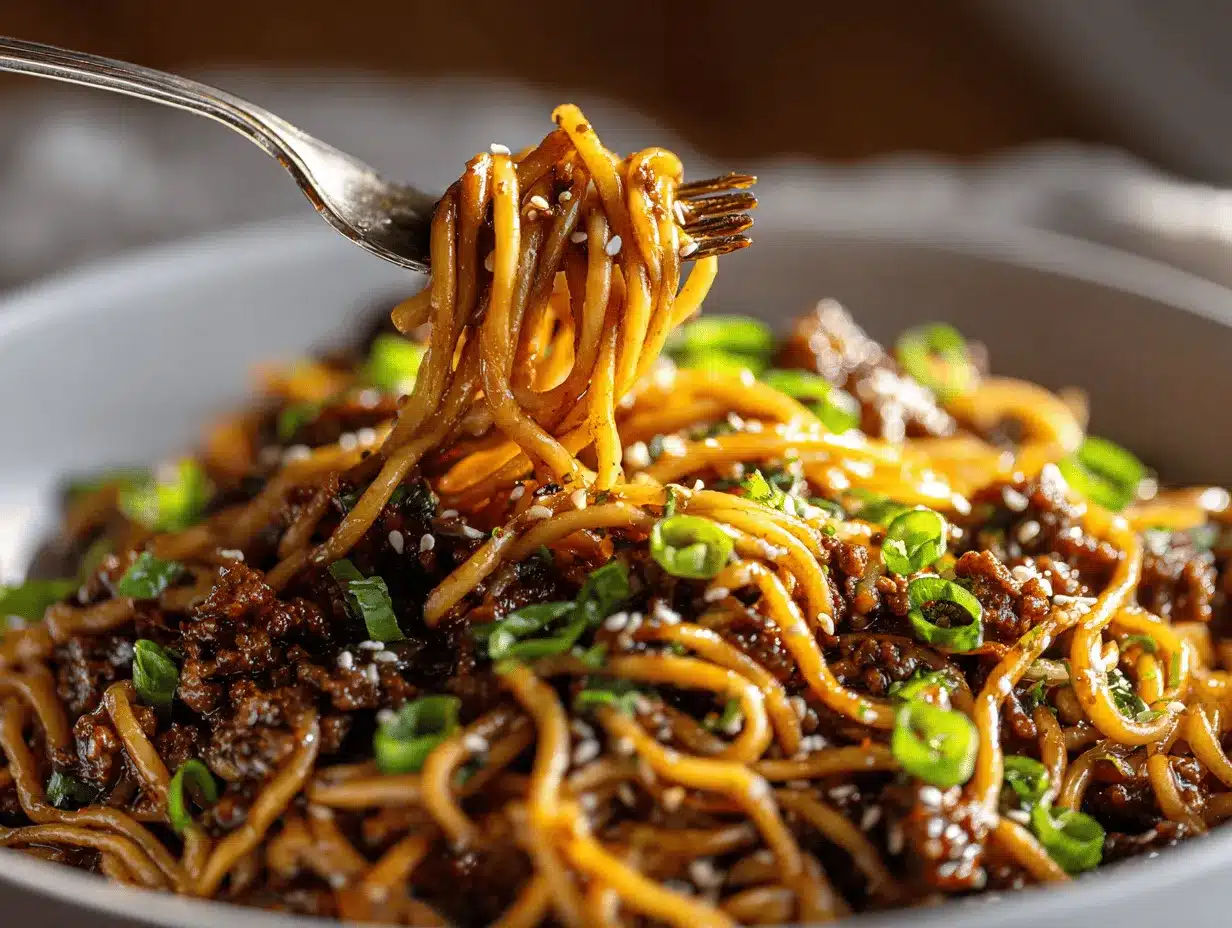
- Prepare the noodles: Bring a large pot of salted water to a boil. Add 8 oz (225 g) dried lo mein, spaghetti, or ramen noodles. Cook according to package instructions (usually 8–10 minutes for lo mein; 9–11 minutes for spaghetti), until al dente. Drain and rinse under cold water to prevent sticking. Set aside.
- Mix the sauce: In a small bowl, whisk together 1/3 cup (80 ml) soy sauce, 1/4 cup (50 g) brown sugar, 1/2 cup (120 ml) water, 1 tablespoon (15 ml) rice vinegar, 2 teaspoons (8 g) cornstarch, and 1 teaspoon (5 ml) sesame oil. Stir until smooth—no lumps! If you’re skipping the vinegar, add an extra teaspoon of water.
- Brown the beef: Heat 1 tablespoon (15 ml) vegetable oil in a large skillet or wok over medium-high heat. Add 1 lb (450 g) ground beef. Break up with a spatula and cook until browned and cooked through (about 5–6 minutes). If excess fat remains, drain most off, leaving a little for flavor.
- Add aromatics: Toss in 4 garlic cloves, minced, and 2 tablespoons (12 g) fresh ginger, grated. Sauté with the beef for 1–2 minutes until fragrant. Don’t skip this step—the flavor boost is huge! If using ground ginger, use 2 teaspoons (4 g).
- Optional veggies: Stir in any chopped vegetables (about 1 cup/120 g total). Broccoli, bell pepper, carrots, and snap peas work great. Sauté for 2–3 minutes until just tender.
- Pour in the sauce: Give your sauce a final stir (cornstarch settles fast), then pour over the beef mixture. Stir constantly as it simmers and thickens—this takes 2–3 minutes. The sauce should look glossy and coat the beef well. If it’s too thick, add a splash of water.
- Combine noodles and beef: Add cooked noodles to the skillet. Toss everything together gently, making sure noodles are well coated. (Tip: If noodles clump, add 1–2 tablespoons water to loosen.)
- Taste and adjust: Try a bite! Adjust seasoning as needed—add more soy for salt, sugar for sweetness, or red pepper flakes for heat. I sometimes add a splash more sesame oil at this point.
- Garnish and serve: Top with sliced green onions, a sprinkle of sesame seeds, and extra red pepper flakes if desired. Serve hot, straight from the pan.
Troubleshooting: If sauce isn’t thickening, up the heat and stir constantly—cornstarch needs bubbling action. If noodles dry out, a dash of water revives them. And if beef clumps, break it up with your spatula as you go. Personally, I set out all ingredients before starting—makes everything smoother (and you don’t forget the garlic!).
Cooking Tips & Techniques
- Don’t overcook the noodles: Keep them al dente—overcooked noodles get mushy and don’t hold the sauce well. I always set a timer (too many times I got distracted!).
- Brown the beef thoroughly: Let it sit undisturbed for a minute before breaking up. This gives you those tasty crispy bits and better flavor.
- Use fresh garlic and ginger: The difference is night and day. Ground versions work in a pinch, but fresh makes the sauce sing.
- Sauce consistency: Stir the cornstarch in cold liquid first—never add it to hot sauce directly, or it’ll clump. If the sauce seems too thick, loosen with water after tossing in noodles.
- Taste as you go: Adjust for salt, sweetness, and heat before serving. I learned this the hard way—once made the sauce too salty, and a splash of water saved it!
- Multitasking strategy: Boil noodles while browning the beef. It shaves off 10 minutes—key for busy nights.
- Veggie add-ins: Thinly sliced veggies cook faster and blend into the noodles. Pre-cook dense veggies (like broccoli) if you want them super soft.
- Consistency secret: Toss noodles and beef right in the pan. This coats everything evenly and warms the noodles through.
Honestly, I’ve burned the sauce once (forgot to stir while posting a photo for Pinterest—oops). Just keep it moving, and you’ll get that shiny, sticky finish. And if you’re ever short on time, precooked noodles (the vacuum-packed kind) work great. Mongolian Ground Beef Noodles is one of those recipes where small tweaks make a big difference—so don’t be afraid to experiment!
Variations & Adaptations
- Gluten-Free: Use rice noodles or gluten-free pasta, and substitute tamari for soy sauce. I’ve tried it—still totally delicious!
- Low-Carb/Keto: Swap regular noodles for spiralized zucchini or shirataki noodles. Use ground turkey or chicken for a lighter protein.
- Vegetarian/Vegan: Replace ground beef with crumbled tofu, tempeh, or a plant-based ground “meat.” Use vegetarian oyster sauce for extra depth.
- Spicy Mongolian Noodles: Add 1–2 teaspoons sriracha or chili garlic sauce to the sauce mix, and top with extra red pepper flakes.
- Seasonal Veggie Boost: In spring, toss in asparagus tips. In fall, try roasted sweet potatoes or mushrooms.
- Different Cooking Methods: If you love one-pot meals, cook noodles right in the skillet with the beef—just add extra water and simmer until tender.
- Personal twist: I sometimes add a splash of hoisin sauce for extra sweetness, and a handful of spinach at the end for color.
Customize your Mongolian Ground Beef Noodles based on what’s in your fridge or pantry. Allergens? Soy sauce can be replaced with coconut aminos (for soy allergy), and sesame oil omitted if needed. The best part? Each version is quick, easy, and packed with flavor.
Serving & Storage Suggestions
Serving: Serve Mongolian Ground Beef Noodles piping hot, straight from the skillet. I like to pile it into shallow bowls—makes it easier to twirl noodles and scoop up beef! Garnish with fresh green onions, sesame seeds, and a drizzle of extra sauce for presentation. Pair it with a crisp Asian cucumber salad or simple steamed bok choy. For drinks, chilled green tea or ginger ale is a nice match.
Storage: Leftovers keep beautifully in an airtight container for up to 3 days in the fridge. The flavors deepen overnight, so it’s even tastier the next day. To reheat, microwave in 30-second intervals, stirring between, or warm in a skillet with a splash of water. Freeze portions for up to 2 months—thaw overnight in the fridge before reheating. Just note, noodles may soften a bit after freezing, but the taste stays spot-on.
If you’re prepping ahead, keep noodles and beef separate, then toss together when ready to serve. This Mongolian Ground Beef Noodles recipe is also great for meal prep—portion into containers and grab for quick lunches throughout the week.
Nutritional Information & Benefits
This Mongolian Ground Beef Noodles recipe serves 4. Each serving contains approximately:
- Calories: 520
- Protein: 26g
- Fat: 18g
- Carbs: 58g
- Sugar: 12g
- Sodium: 980mg
Health benefits: Ground beef provides iron and protein, noodles give steady energy, and the sauce uses ginger and garlic—both are known for immune support. Add veggies for fiber and vitamins. You can make it low-carb or gluten-free with simple swaps. Allergens include soy (can substitute), wheat (use gluten-free pasta), and sesame (omit if needed).
From my wellness perspective, balanced meals like Mongolian Ground Beef Noodles keep my family fueled and happy. We love that it’s hearty but not heavy, and easy to adapt to different dietary needs.
Conclusion
If you want a dinner that’s quick, comforting, and full of flavor, Mongolian Ground Beef Noodles is the recipe to beat. It’s easy enough for a weeknight, special enough for guests, and flexible for whatever life throws your way. Customize it with your favorite veggies, swap the noodles, or spice it up—there’s no wrong way.
I love this recipe because it brings everyone together—whether it’s a bustling family dinner or a solo meal with leftovers for tomorrow. Give it a try, and let me know how you make it your own. Leave a comment, share with a friend, or pin your version for others to see. Cooking is all about connection, and this dish is one of my favorites to share.
So, grab your skillet, boil those noodles, and treat yourself to the bold, satisfying taste of Mongolian Ground Beef Noodles tonight—you deserve it!
Frequently Asked Questions
What kind of noodles work best for Mongolian Ground Beef Noodles?
Lo mein, spaghetti, ramen, or udon noodles all work well. Honestly, I use whatever’s in the pantry—each one picks up the sauce beautifully.
Can I make this recipe gluten-free?
Yes! Use gluten-free pasta or rice noodles and swap soy sauce for tamari or coconut aminos. The flavors stay bold and delicious.
How do I add more vegetables?
Add up to 2 cups of your favorite chopped veggies (broccoli, carrots, snap peas, bell peppers) with the beef. They cook quickly and boost nutrition!
Is it possible to make this dish ahead?
Absolutely. Cook the beef and sauce, store separately from noodles, and toss together when reheating. Flavors get even better overnight.
What can I use instead of ground beef?
Ground chicken, turkey, pork, or even crumbled tofu work as substitutes. Each one brings a unique twist to Mongolian Ground Beef Noodles, so use what you like best!
Pin This Recipe!
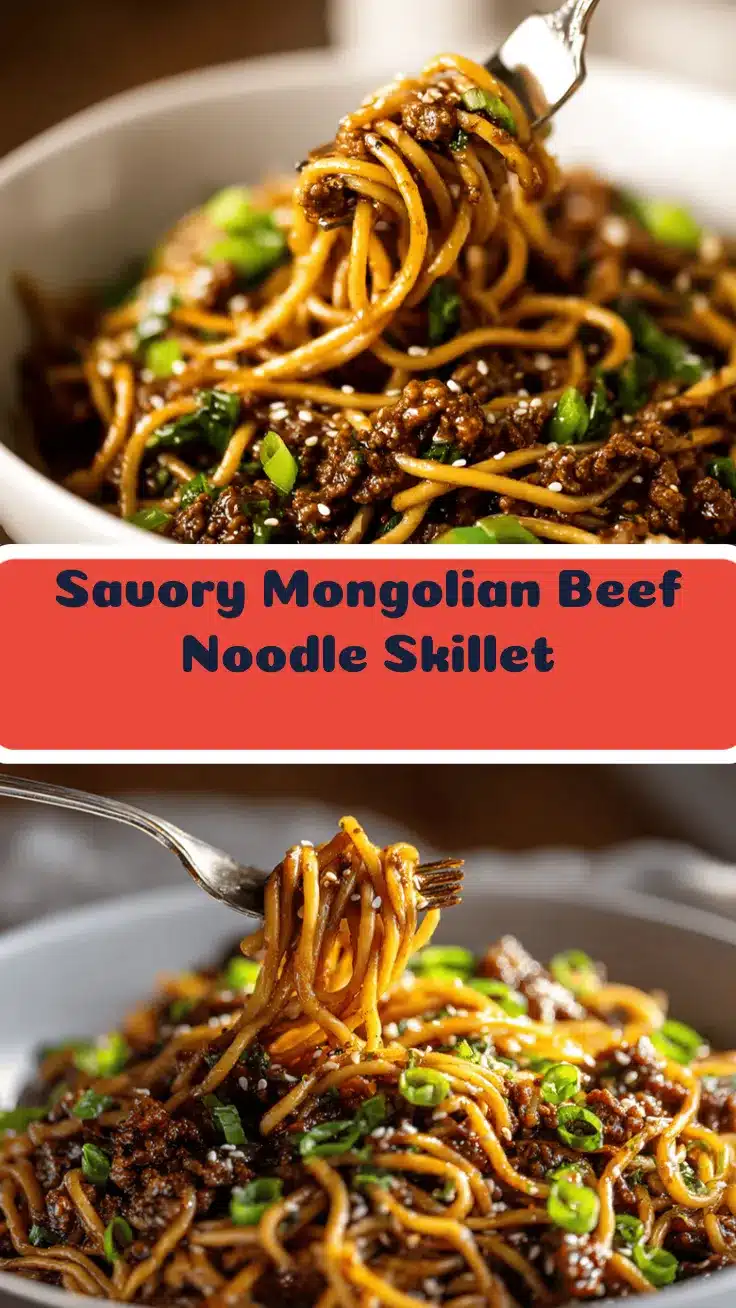
Mongolian Ground Beef Noodles

A quick and easy 30-minute dinner featuring ground beef, savory-sweet Mongolian sauce, and noodles. Perfect for busy weeknights, customizable with veggies, and tastes just like takeout at home.
- Prep Time: 10 minutes
- Cook Time: 20 minutes
- Total Time: 30 minutes
- Yield: 4 servings 1x
- Category: Main Course
- Cuisine: Asian
Ingredients
- 8 oz dried lo mein, spaghetti, ramen, or udon noodles
- 1 lb ground beef (85% lean preferred)
- 1 tablespoon vegetable oil
- 4 garlic cloves, minced
- 2 tablespoons fresh ginger, grated (or 2 teaspoons ground ginger)
- 1/3 cup soy sauce (low-sodium preferred)
- 1/4 cup brown sugar (light or dark)
- 1/2 cup water
- 1 tablespoon rice vinegar (optional)
- 2 teaspoons cornstarch
- 1 teaspoon sesame oil
- Green onions, sliced (for garnish)
- Sesame seeds (optional, for garnish)
- Red pepper flakes (optional, for heat)
- Optional: 1 cup chopped vegetables (broccoli florets, shredded carrots, snap peas, bell pepper strips)
Instructions
- Bring a large pot of salted water to a boil. Add noodles and cook according to package instructions until al dente (8–10 minutes for lo mein, 9–11 minutes for spaghetti). Drain and rinse under cold water. Set aside.
- In a small bowl, whisk together soy sauce, brown sugar, water, rice vinegar (if using), cornstarch, and sesame oil until smooth.
- Heat vegetable oil in a large skillet or wok over medium-high heat. Add ground beef and cook, breaking up with a spatula, until browned and cooked through (about 5–6 minutes). Drain excess fat if needed.
- Add minced garlic and grated ginger to the beef. Sauté for 1–2 minutes until fragrant.
- If using, stir in chopped vegetables and sauté for 2–3 minutes until just tender.
- Stir the sauce again and pour over the beef mixture. Simmer, stirring constantly, until the sauce thickens and looks glossy (2–3 minutes).
- Add cooked noodles to the skillet. Toss gently to coat noodles with sauce and beef. Add 1–2 tablespoons water if noodles clump.
- Taste and adjust seasoning: add more soy sauce for salt, sugar for sweetness, or red pepper flakes for heat. Optionally, add a splash more sesame oil.
- Garnish with sliced green onions, sesame seeds, and extra red pepper flakes if desired. Serve hot.
Notes
For gluten-free, use rice noodles and tamari. For low-carb, swap noodles for spiralized zucchini. Ground chicken, turkey, pork, or tofu can replace beef. Add up to 2 cups of veggies for extra nutrition. Sauce thickens best when stirred constantly over heat. Leftovers keep well for 3 days in the fridge or 2 months in the freezer.
Nutrition
- Serving Size: 1/4 of recipe (about 2 cups)
- Calories: 520
- Sugar: 12
- Sodium: 980
- Fat: 18
- Saturated Fat: 7
- Carbohydrates: 58
- Fiber: 3
- Protein: 26
Keywords: mongolian beef noodles, ground beef noodles, easy asian dinner, weeknight noodles, takeout at home, quick beef recipe, lo mein, stir fry noodles