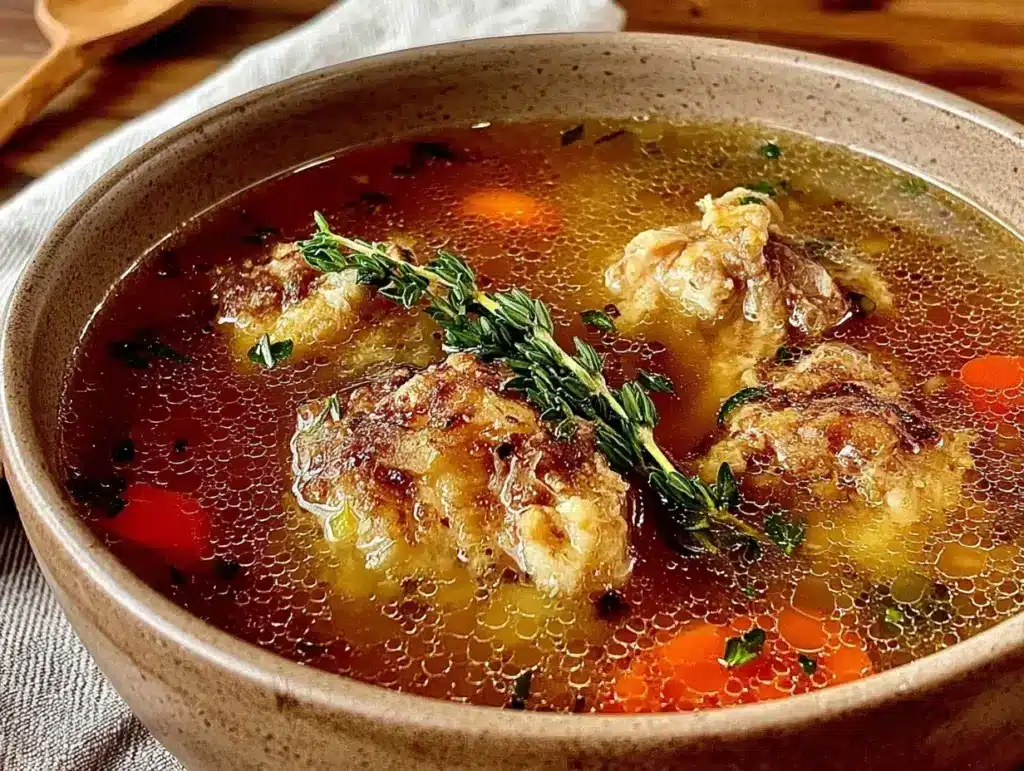
The smell of simmering bones, herbs, and spices filling the kitchen with a cozy aroma always makes me feel right at home. Honestly, I first learned how to make nourishing bone broth from scratch during a chilly winter when I wanted something warm, healing, and simple. It wasn’t just about the taste — it was about crafting a broth that felt like a hug in a bowl, packed with nutrients that my body craved. Over the years, after testing this recipe countless times, I can say it’s become my go-to for comfort and health, especially when I want a homemade boost without fuss.
Making your own bone broth from scratch isn’t just a kitchen project — it’s an experience. The slow simmering transforms humble ingredients into a rich, golden elixir that’s nourishing in so many ways. Whether you’re new to cooking bone broth or have tried a few versions, this recipe is designed to deliver incredible flavor and healing benefits with straightforward steps and wholesome ingredients.
If you’re someone who loves cooking with intention or you’re looking for an easy way to support your gut, joints, and immune system, this nourishing bone broth from scratch recipe is for you. It’s perfect for busy folks who want wholesome nutrition without complicated steps. Plus, it’s super versatile — sip it on its own, use it as a base for soups, or add it to your favorite dishes. Trust me, once you taste this broth, you’ll want to keep a pot simmering on the stove all winter long.
Why You’ll Love This Recipe
- Simple & Slow: The recipe relies on slow simmering, so you get all those deep, rich flavors without rushing anything.
- Wholesome Ingredients: No weird additives here — just real bones, fresh veggies, and herbs you can find at any grocery store.
- Healing & Nutritious: Packed with collagen, minerals, and amino acids, this broth supports your joints, digestion, and immune health.
- Flexible & Customizable: Whether you prefer chicken, beef, or even veggie bones, this recipe adapts beautifully.
- Budget-Friendly: Use leftover bones or scraps — it’s a fantastic way to reduce waste and stretch your food budget.
- Family Friendly: Kids love the warmth and flavor, and it’s a gentle way to sneak in extra nutrients.
This isn’t just your regular broth — it’s the kind that makes you pause and appreciate the magic of slow cooking. I’ve tried other recipes, but this one stands out because of the balance of flavors and the silky mouthfeel. The trick is in the long simmer and the careful layering of aromatics. Honestly, after making this broth a dozen times, I still get excited about the first sip each batch delivers.
What Ingredients You Will Need
This nourishing bone broth recipe uses simple, wholesome ingredients that come together to create a deep, savory flavor and a nourishing texture. Most of these ingredients are pantry staples or easy to find fresh at the market. If you’re new to broth-making, don’t worry — the ingredient list is straightforward, and you can swap out some items depending on what you have on hand.
- Bones: 3-4 pounds (1.4-1.8 kg) of beef, chicken, or turkey bones (look for marrow bones or knuckles for gelatin-rich broth)
- Water: 12 cups (2.8 liters) filtered water (enough to cover the bones in the pot)
- Apple Cider Vinegar: 2 tablespoons (helps extract minerals from the bones)
- Onion: 1 large, quartered (adds sweetness and depth)
- Carrots: 2 medium, roughly chopped (for natural sweetness)
- Celery Stalks: 2, roughly chopped (classic flavor base)
- Garlic: 3 cloves, smashed (boosts immune benefits)
- Bay Leaves: 2 (adds subtle herbal notes)
- Black Peppercorns: 1 teaspoon (whole, for gentle spice)
- Fresh Herbs (optional): A few sprigs of thyme or parsley for fresh aroma
- Salt: To taste, added at the end (start low to avoid over-salting)
Ingredient tips: For the best flavor and gelatin content, I recommend using bones from pasture-raised animals when possible. If you want a lighter broth, chicken bones work great. Beef bones create a richer, heartier broth. I usually buy bones from my local butcher or save bones from roasted meats. Apple cider vinegar is key — it helps pull valuable minerals from the bones during cooking. If you’re gluten-free or dairy-free, this recipe is naturally suitable without changes.
Equipment Needed
- Large Stockpot or Slow Cooker: A 6-quart (5.7-liter) or larger pot works perfectly. Slow cookers are great if you want a fuss-free method.
- Fine Mesh Strainer or Cheesecloth: For straining the broth to remove solids and get a smooth finish.
- Large Ladle: Makes transferring the broth easier without spills.
- Cutting Board and Sharp Knife: For prepping veggies and bones.
- Storage Containers: Glass jars or BPA-free plastic containers to store your broth in the fridge or freezer.
If you don’t have a stockpot, a heavy-bottomed saucepan can work for smaller batches. I’ve also had good luck using an Instant Pot for faster broth, but the slow simmer method in a pot or slow cooker gives the best flavor and texture. For straining, a fine mesh sieve is my go-to — it captures every tiny bit of sediment without losing precious broth.
Detailed Preparation Method
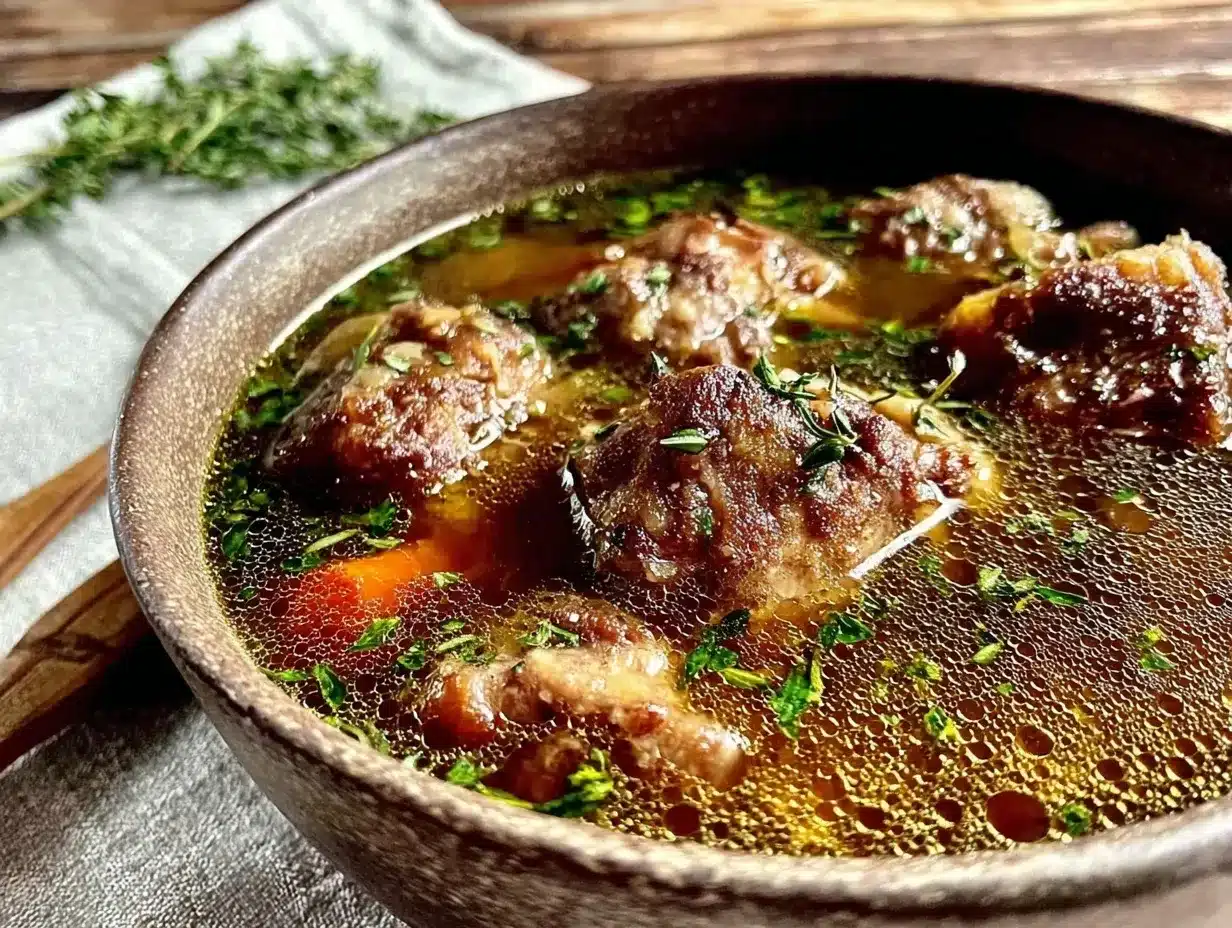
- Prepare the Bones: If using raw bones, roast them in a 400°F (200°C) oven for 30-40 minutes until browned. This step adds rich flavor. For leftover cooked bones, you can skip roasting. (Time: 40 minutes including roasting)
- Fill the Pot: Place bones in your stockpot and add 12 cups (2.8 liters) of cold filtered water, enough to cover the bones completely.
- Add Apple Cider Vinegar: Pour in 2 tablespoons of apple cider vinegar and let the bones soak for 30 minutes before heating. This helps draw minerals out during cooking.
- Add Vegetables & Herbs: Toss in quartered onion, chopped carrots, celery, smashed garlic, bay leaves, and peppercorns. Optionally add fresh thyme or parsley sprigs.
- Bring to a Simmer: Slowly heat the pot over medium heat until you see gentle bubbles forming (don’t let it boil rapidly). Skim off any foam or impurities that rise to the surface with a spoon. (About 15-20 minutes)
- Lower Heat & Simmer: Reduce heat to low, so the broth simmers gently. Cover partially with a lid, leaving a small gap for steam to escape.
- Simmer for Hours: Let it cook for at least 12 hours, up to 24 hours for beef bones. Chicken broth usually needs 6-8 hours. Stir occasionally and check water level, adding more if needed to keep bones submerged.
- Strain the Broth: Once done, remove from heat and strain through a fine mesh sieve or cheesecloth into a large bowl or pot. Discard solids.
- Cool & Store: Let broth cool slightly before refrigerating. You’ll notice a layer of fat solidifying on top — you can skim this off or keep it for cooking flavor. Store broth in airtight containers for up to 5 days in the fridge or freeze for up to 3 months.
Pro tip: Use a timer and set reminders to check your broth hourly. Keeping the heat low and steady is key — boiling broth toughens collagen and ruins clarity. When skimming foam, be patient; it helps keep the broth clear and clean-tasting.
Cooking Tips & Techniques
One of the biggest mistakes people make is rushing the simmer. Trust me, slow and low is the way to go for silky, nutrient-rich broth. If the broth bubbles too hard, it can become cloudy and bitter. I’ve learned from experience that a gentle simmer keeps things clear and tasty.
Another tip: don’t skip roasting the bones! That Maillard reaction adds a deep, meaty flavor that you just can’t get otherwise. I once tried making broth without roasting and, well, it was okay, but nowhere near as satisfying.
Timing is everything. If you’re short on time, chicken bones are your friend since they break down faster (6-8 hours). Beef bones need patience but reward you with gelatin-rich broth that sets when chilled.
Multitasking is key — while your broth simmers, prep other meals or relax with a book. Just remember to check water levels occasionally so your bones stay covered. And don’t forget to taste near the end. If it needs salt, add it gradually — a little goes a long way!
Variations & Adaptations
- Vegetarian Version: Use a mix of roasted mushrooms, carrots, celery, onions, garlic, and seaweed (like kombu) simmered for 2-3 hours for a rich veggie broth.
- Spiced Broth: Add a cinnamon stick, star anise, or fresh ginger for a warming twist, perfect for cold days.
- Herbal Boost: Toss in fresh rosemary, sage, or turmeric root for added anti-inflammatory benefits and flavor complexity.
- Bone Blends: Mix different bones — chicken carcass with beef marrow bones — for a unique flavor profile.
- Pressure Cooker Shortcut: Use an Instant Pot to cook bones under pressure for 3-4 hours, cutting down the simmering time while still extracting nutrients.
I personally love adding a splash of lemon juice or apple cider vinegar right before serving to brighten the flavor. Plus, it can help with mineral absorption. One time, I experimented with adding dried shiitake mushrooms to the pot — the umami hit was incredible!
Serving & Storage Suggestions
Serve your nourishing bone broth warm, straight from the pot or gently reheated. It’s fantastic on its own with a pinch of sea salt and fresh cracked pepper. For a cozy meal, serve it with crusty bread or use it as the base for soups, stews, or risottos.
When storing, pour broth into glass jars or freezer-safe containers. Leave some headspace if freezing, since broth expands. Label containers with date for easy rotation. Broth keeps well in the fridge for up to 5 days and freezes beautifully for up to 3 months.
Reheat broth slowly over medium-low heat to preserve flavor and nutrients; avoid boiling. You’ll notice that chilled broth solidifies into a jelly-like texture thanks to the collagen — that’s a good sign of quality! As it sits, the flavor deepens, so leftovers can be even better the next day.
Nutritional Information & Benefits
An 8-ounce (240 ml) serving of homemade bone broth typically contains approximately:
| Nutrient | Amount |
|---|---|
| Calories | 40-60 |
| Protein | 6-10 g |
| Fat | 0-3 g (depending on fat skimmed) |
| Calcium | 10-20 mg |
| Collagen & Gelatin | Rich source |
Bone broth is a natural source of collagen, which supports joint health, skin elasticity, and gut lining repair. The amino acids glycine and proline play key roles in healing and reducing inflammation. It’s naturally gluten-free and low-carb, making it a gentle option for many dietary needs.
From my perspective as someone who’s used bone broth in my wellness routine for years, it’s a simple way to support healing without complicated supplements. Just a warm cup offers comfort and nourishment that feels honest and real.
Conclusion
If you’ve been curious about making nourishing bone broth from scratch, this recipe is a fantastic place to start. It’s approachable, flexible, and delivers a broth that’s truly comforting and healing. I love how it brings warmth to my kitchen and wellness to my body — plus, the process feels like a quiet ritual I look forward to.
Feel free to tweak the ingredients and simmer times to match your taste and schedule. And don’t hesitate to share your own twists in the comments — I’d love to hear how you make this recipe your own!
Give this nourishing bone broth a try, and I promise you’ll appreciate the rich flavors and the cozy feeling that only homemade broth can bring. Happy simmering!
FAQs about Nourishing Bone Broth from Scratch
How long should I simmer bone broth for the best results?
For chicken bones, 6 to 8 hours is ideal, while beef bones benefit from a longer simmer of 12 to 24 hours. Slow and steady heat is key to extracting maximum flavor and nutrients.
Can I freeze bone broth?
Yes! Bone broth freezes wonderfully. Just cool it completely, transfer to freezer-safe containers leaving space for expansion, and freeze for up to 3 months.
Do I need to add vinegar to bone broth?
Adding 1-2 tablespoons of apple cider vinegar before cooking helps draw minerals out of the bones, increasing the broth’s nutritional value. It’s a simple but important step.
Is bone broth good for gut health?
Absolutely. Bone broth contains collagen and amino acids like glycine and proline, which support gut lining repair and reduce inflammation, making it gentle and healing for digestion.
Can I use frozen bones for this recipe?
Yes, frozen bones work just fine. Just thaw them before roasting or adding to the pot. Many people keep bones in the freezer until ready to make broth to avoid waste.
Pin This Recipe!

Nourishing Bone Broth from Scratch

A simple, slow-simmered homemade bone broth recipe packed with nutrients to support gut, joint, and immune health. Perfect for sipping on its own or as a base for soups and stews.
- Prep Time: 40 minutes (including roasting and soaking)
- Cook Time: 6 to 24 hours (depending on bones used)
- Total Time: 6 hours 40 minutes to 24 hours 40 minutes
- Yield: About 8 cups (64 ounces) broth 1x
- Category: Soup / Broth
- Cuisine: American
Ingredients
- 3–4 pounds beef, chicken, or turkey bones (marrow bones or knuckles recommended)
- 12 cups filtered water
- 2 tablespoons apple cider vinegar
- 1 large onion, quartered
- 2 medium carrots, roughly chopped
- 2 celery stalks, roughly chopped
- 3 garlic cloves, smashed
- 2 bay leaves
- 1 teaspoon whole black peppercorns
- A few sprigs of fresh thyme or parsley (optional)
- Salt to taste
Instructions
- If using raw bones, roast them in a 400°F (200°C) oven for 30-40 minutes until browned. Skip this step if using leftover cooked bones.
- Place bones in a large stockpot and add 12 cups (2.8 liters) of cold filtered water, enough to cover the bones.
- Add 2 tablespoons of apple cider vinegar and let the bones soak for 30 minutes before heating.
- Add quartered onion, chopped carrots, celery, smashed garlic, bay leaves, peppercorns, and optional fresh herbs to the pot.
- Slowly heat the pot over medium heat until gentle bubbles form. Skim off any foam or impurities that rise to the surface (about 15-20 minutes).
- Reduce heat to low and let the broth simmer gently, partially covered with a lid to allow steam to escape.
- Simmer for at least 12 hours (up to 24 hours for beef bones; 6-8 hours for chicken bones), stirring occasionally and adding water as needed to keep bones submerged.
- Remove from heat and strain the broth through a fine mesh sieve or cheesecloth into a large bowl or pot. Discard solids.
- Let broth cool slightly before refrigerating. Skim off solidified fat if desired. Store in airtight containers for up to 5 days in the fridge or freeze for up to 3 months.
Notes
Use pasture-raised bones for best flavor and gelatin content. Roasting bones adds rich flavor. Keep heat low to avoid boiling and cloudy broth. Skim foam regularly for clarity. Chicken bones require less simmer time than beef bones. Broth can be frozen for up to 3 months. Add salt gradually at the end to avoid over-salting.
Nutrition
- Serving Size: 8 ounces (240 ml)
- Calories: 4060
- Fat: 3
- Protein: 610
Keywords: bone broth, homemade broth, healing broth, collagen broth, slow simmer broth, gut health, immune support, bone broth recipe