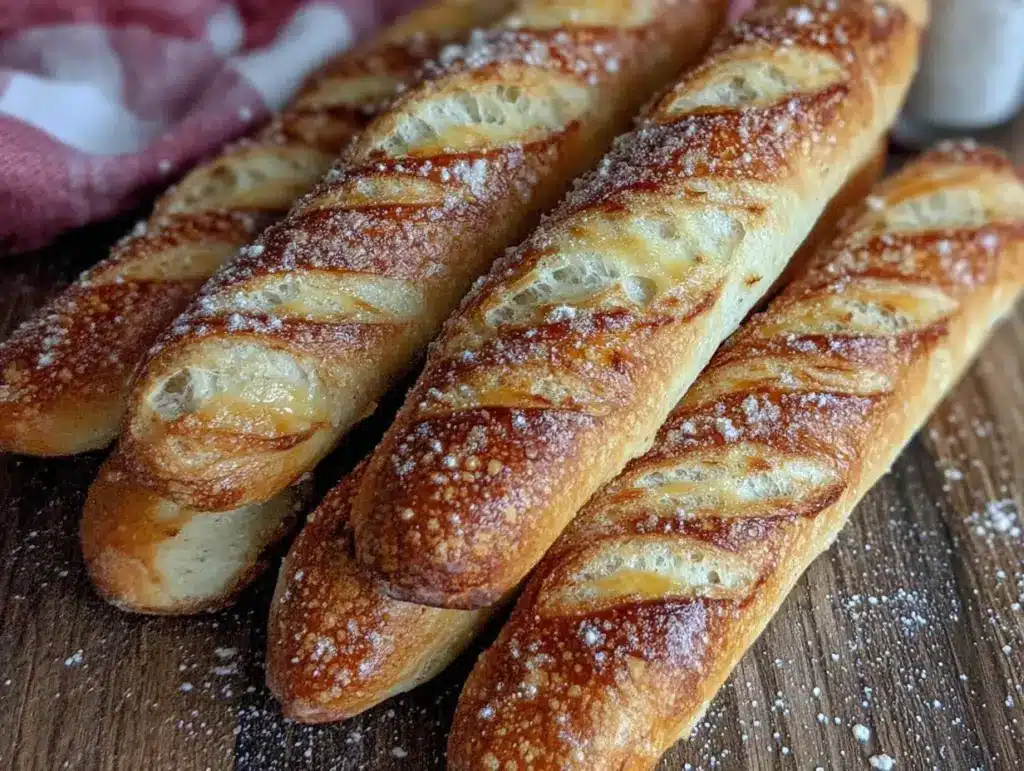
The crackling sound of fresh bread cooling on the counter, the tantalizing aroma of yeast and flour filling the air, and the first bite of a warm, bakery-quality baguette—there’s truly nothing quite like it. I can still vividly recall my first attempt at making baguettes at home; it was a rainy Sunday, and I wanted to recreate the kind of French bread I’d fallen in love with during a trip to Paris. Spoiler alert: it took a few tries to get just right, but oh, was it worth the effort! This perfect homemade baguette recipe is the result of years of tweaking, learning, and nothing short of bread-baking obsession.
If you’ve been intimidated by the idea of making baguettes, don’t worry—you’re not alone. But I promise, with this step-by-step guide, you’ll be whipping up baguettes so good, you’ll feel like you’ve been transported straight to a Parisian bakery. Whether you’re hosting a dinner party, making sandwiches, or just want to enjoy fresh bread slathered in butter, this recipe has you covered. And the best part? You don’t need fancy equipment or advanced baking skills to pull it off. Let’s dive in!
Why You’ll Love This Recipe
- Authentic Flavor and Texture: This recipe delivers that signature crispy crust and soft, airy interior that makes baguettes so irresistible. No shortcuts, just classic bakery-quality goodness.
- Surprisingly Simple: While it may seem daunting, the steps are easy to follow, and you don’t need to be a master baker to succeed.
- Budget-Friendly: Homemade baguettes are incredibly economical compared to store-bought artisan bread.
- Impressive Results: There’s something magical about pulling perfectly golden baguettes from your oven—it’s guaranteed to wow your guests.
- Customizable: You can tweak this recipe to suit your taste—add herbs, seeds, or even a sprinkle of coarse salt for a unique twist.
- Perfect for Any Occasion: Whether it’s a casual brunch, a cozy dinner, or just a treat-yourself kind of day, these baguettes are the ideal complement to any meal.
What makes this recipe stand out is its focus on simplicity without sacrificing quality. It’s the kind of recipe you’ll want to pass down or bookmark forever. The techniques I’ll share here are designed to make your baguettes turn out just right every single time. Trust me; there’s no greater feeling than biting into bread you’ve made with your own two hands—it’s love in edible form.
What Ingredients You Will Need
This recipe uses basic ingredients you probably already have in your pantry. Here’s what you’ll need:
- All-Purpose Flour: The backbone of the baguette; make sure to use high-quality flour for the best texture.
- Active Dry Yeast: This is what makes the dough rise and creates that light, airy texture. (Instant yeast works too!)
- Warm Water: Essential for activating the yeast and bringing the dough together. It should be warm but not hot—around 110°F (43°C).
- Salt: A small touch of salt enhances the flavor and balances the sweetness of the flour.
If you’re feeling adventurous, you can also add extras like:
- Herbs: Rosemary, thyme, or oregano for an aromatic twist.
- Seeds: Sesame seeds or poppy seeds for a nutty crunch.
- Garlic Powder: A subtle savory note that pairs beautifully with the dough.
These ingredients work together to create a classic French baguette that’s perfect for any occasion. The key is in the balance—don’t skimp on the salt or overdo the yeast. Fresh, high-quality ingredients will always yield the best results.
Equipment Needed
You don’t need a fancy bakery setup to make perfect baguettes. Here’s what you’ll need:
- Mixing Bowls: One large bowl for mixing and proofing the dough.
- Kitchen Scale: Precision is key when baking bread, so I highly recommend weighing your ingredients.
- A Bench Scraper: Useful for dividing the dough and shaping baguettes.
- Baking Sheet or Baguette Pan: A baguette pan will give your bread that classic shape, but a plain baking sheet works too.
- Clean Kitchen Towel: For covering the dough while it rises.
- Spray Bottle: For misting the dough and creating steam in the oven.
If you’re just starting out, don’t worry about having everything on this list. For years, I used a regular baking sheet and my hands for shaping—works like a charm! Just remember to treat your tools well—clean them thoroughly after use, and they’ll last forever.
Preparation Method
- Activate the Yeast: In a small bowl, combine 1 tablespoon of active dry yeast with 1 cup (240 ml) of warm water. Stir gently and let it sit for 5 minutes until it becomes frothy.
- Mix the Dough: In a large mixing bowl, combine 4 cups (500 g) of all-purpose flour and 1 ½ teaspoons of salt. Gradually add the yeast mixture and 1 ½ cups (360 ml) of warm water to form a sticky dough.
- Knead the Dough: Transfer the dough to a lightly floured surface and knead for about 8-10 minutes until smooth and elastic. If the dough is too sticky, add a little more flour, but don’t overdo it.
- First Rise: Place the dough in a lightly oiled bowl, cover with a clean kitchen towel, and let it rest for 1-2 hours in a warm place until it doubles in size.
- Divide and Shape: Punch down the risen dough to release air, then divide it into two or three equal portions. Shape each portion into a long baguette and place them on a greased baking sheet or baguette pan.
- Second Rise: Cover the shaped dough with a towel and let it rest for 45 minutes to an hour. The baguettes should puff up slightly.
- Preheat the Oven: While the dough is rising, preheat your oven to 450°F (230°C). Place a pan of water on the bottom rack to create steam during baking for a crisp crust.
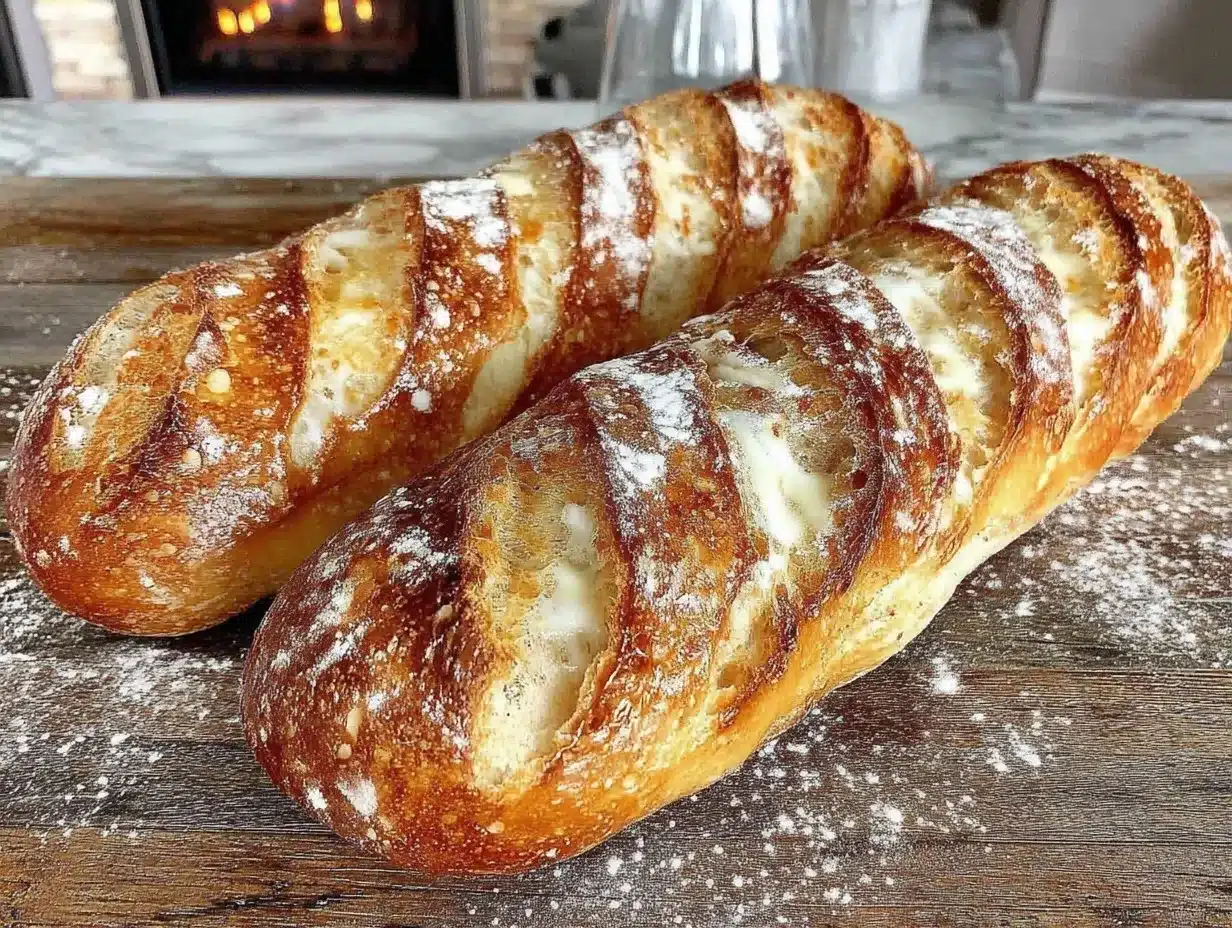
- Score the Baguettes: Use a sharp knife or a razor blade to make 3-4 diagonal cuts across the top of each baguette. This allows the bread to expand evenly in the oven.
- Bake: Bake the baguettes for 20-25 minutes until golden brown and hollow-sounding when tapped. Mist the oven with water at the start of baking for extra crispiness.
- Cool: Let the baguettes cool on a wire rack for at least 15 minutes before slicing. Trust me, the wait is worth it!
Cooking Tips & Techniques
Here are some key tips to make sure your homemade baguettes turn out perfect:
- Don’t Rush the Rise: Allowing the dough to rise fully is crucial for achieving that airy texture. If you’re in a colder climate, place the bowl in a slightly warmed oven (turned off) to speed things up.
- Use Steam Effectively: The steam is what gives baguettes their signature crust. If you don’t have a spray bottle, toss a few ice cubes into the pan at the start of baking.
- Practice Your Scoring: Scoring the dough might seem tricky, but it’s all about confidence and a sharp blade. The cuts should be quick and shallow.
- Don’t Over-Flour: The dough will stick to your hands, but adding too much flour during kneading can lead to dense baguettes.
- Experiment with Length and Thickness: Depending on your oven size, you might need to adjust the size of your baguettes. Longer, thinner baguettes cook faster and are crispier.
Variations & Adaptations
This recipe is incredibly versatile. Here are a few ideas to make it your own:
- Whole Wheat Baguette: Substitute half of the all-purpose flour with whole wheat flour for a nutty, wholesome twist.
- Herb and Garlic Baguette: Add 2 teaspoons of dried herbs and a pinch of garlic powder to the dough for extra flavor.
- Gluten-Free Baguette: Use a gluten-free all-purpose flour blend and follow the same method—just note that the texture will be slightly different.
- Seeded Baguette: Sprinkle sesame or poppy seeds on the dough before baking for a crunchy topping.
- Sweet Variation: Add 2 tablespoons of sugar and a sprinkling of cinnamon for a lightly sweet bread perfect for breakfast.
Serving & Storage Suggestions
Here’s how to serve and store your baguettes:
- Serving: Serve warm or at room temperature with butter, jam, or alongside soups and salads. Pair with a cheese board for a fancy appetizer.
- Storage: Wrap cooled baguettes in a clean kitchen towel and store at room temperature for up to 2 days.
- Freezing: Wrap tightly in plastic wrap, then foil, and freeze for up to 1 month. Thaw at room temperature and reheat in the oven for 5 minutes.
- Reheating: Sprinkle a little water on the baguette and place it in a preheated oven at 375°F (190°C) for 5-7 minutes to refresh the crust.
Nutritional Information & Benefits
Here’s what you can expect from one slice of baguette (based on a three-baguette recipe):
- Calories: 80
- Carbohydrates: 16g
- Protein: 3g
- Fat: 0.5g
- Sodium: 150mg
Baguettes are a great source of carbohydrates, making them a perfect energy boost. While not gluten-free, you can adapt this recipe to suit dietary needs by using alternative flours. Plus, the simplicity of the ingredients means fewer additives and preservatives compared to store-bought bread!
Conclusion
There’s something so special about baking bread from scratch, and this homemade baguette recipe is the perfect way to bring a little piece of France to your kitchen. With its crispy crust and soft, airy interior, it’s a bread you’ll find yourself making again and again. I love how versatile it is—whether I’m enjoying it with butter and jam in the morning or using it to scoop up a comforting bowl of soup at night, it never fails to hit the spot.
Give this recipe a try and let me know how your baguettes turn out in the comments below. Did you add any fun twists or flavors? Share your creations—I love seeing your photos and hearing your stories. Remember, the joy of baking is all about experimenting and making it your own. Bon appétit!
FAQs
Can I use instant yeast instead of active dry yeast?
Yes, you can! Just skip the activation step and mix the instant yeast directly into the flour. The rest of the recipe remains the same.
How do I know if my dough has risen enough?
The dough should double in size during the rising process. A good way to test is to press your finger into the dough—if the indentation stays, it’s ready.
Can I make baguettes without a baguette pan?
Absolutely! You can shape the dough on a regular baking sheet lined with parchment paper. The baguettes might not hold their shape perfectly, but they’ll taste just as delicious.
Why is my crust not crispy?
This usually happens if you skip the steam step. Make sure to use a pan of water or mist the oven to create steam while the baguettes bake.
Can I let the dough rise overnight?
Yes, you can refrigerate the dough during its first rise for up to 12 hours. This will deepen the flavor, but make sure to let it come to room temperature before shaping.
Pin This Recipe!

Perfect Homemade Baguette Recipe Easy Steps for Bakery-Quality

Learn how to make bakery-quality baguettes at home with this simple recipe. Enjoy crispy crusts and soft, airy interiors with easy-to-follow steps.
- Prep Time: 15 minutes
- Cook Time: 25 minutes
- Total Time: 3 hours
- Yield: 2-3 baguettes 1x
- Category: Bread
- Cuisine: French
Ingredients
- 4 cups (500 g) all-purpose flour
- 1 tablespoon active dry yeast
- 1 ½ teaspoons salt
- 1 cup (240 ml) warm water
- 1 ½ cups (360 ml) warm water
- Optional: rosemary, thyme, oregano, sesame seeds, poppy seeds, garlic powder
Instructions
- Activate the Yeast: In a small bowl, combine 1 tablespoon of active dry yeast with 1 cup (240 ml) of warm water. Stir gently and let it sit for 5 minutes until it becomes frothy.
- Mix the Dough: In a large mixing bowl, combine 4 cups (500 g) of all-purpose flour and 1 ½ teaspoons of salt. Gradually add the yeast mixture and 1 ½ cups (360 ml) of warm water to form a sticky dough.
- Knead the Dough: Transfer the dough to a lightly floured surface and knead for about 8-10 minutes until smooth and elastic. If the dough is too sticky, add a little more flour, but don’t overdo it.
- First Rise: Place the dough in a lightly oiled bowl, cover with a clean kitchen towel, and let it rest for 1-2 hours in a warm place until it doubles in size.
- Divide and Shape: Punch down the risen dough to release air, then divide it into two or three equal portions. Shape each portion into a long baguette and place them on a greased baking sheet or baguette pan.
- Second Rise: Cover the shaped dough with a towel and let it rest for 45 minutes to an hour. The baguettes should puff up slightly.
- Preheat the Oven: While the dough is rising, preheat your oven to 450°F (230°C). Place a pan of water on the bottom rack to create steam during baking for a crisp crust.
- Score the Baguettes: Use a sharp knife or a razor blade to make 3-4 diagonal cuts across the top of each baguette. This allows the bread to expand evenly in the oven.
- Bake: Bake the baguettes for 20-25 minutes until golden brown and hollow-sounding when tapped. Mist the oven with water at the start of baking for extra crispiness.
- Cool: Let the baguettes cool on a wire rack for at least 15 minutes before slicing.
Notes
[‘Allow the dough to rise fully for an airy texture.’, ‘Use steam in the oven to achieve a crispy crust.’, ‘Practice scoring the dough with a sharp blade for even expansion.’, ‘Avoid adding too much flour during kneading to prevent dense baguettes.’, ‘Adjust the length and thickness of baguettes based on oven size.’]
Nutrition
- Serving Size: 1 slice
- Calories: 80
- Sodium: 150
- Fat: 0.5
- Carbohydrates: 16
- Fiber: 1
- Protein: 3
Keywords: baguette, homemade bread, French bread, bakery-quality, easy bread recipe