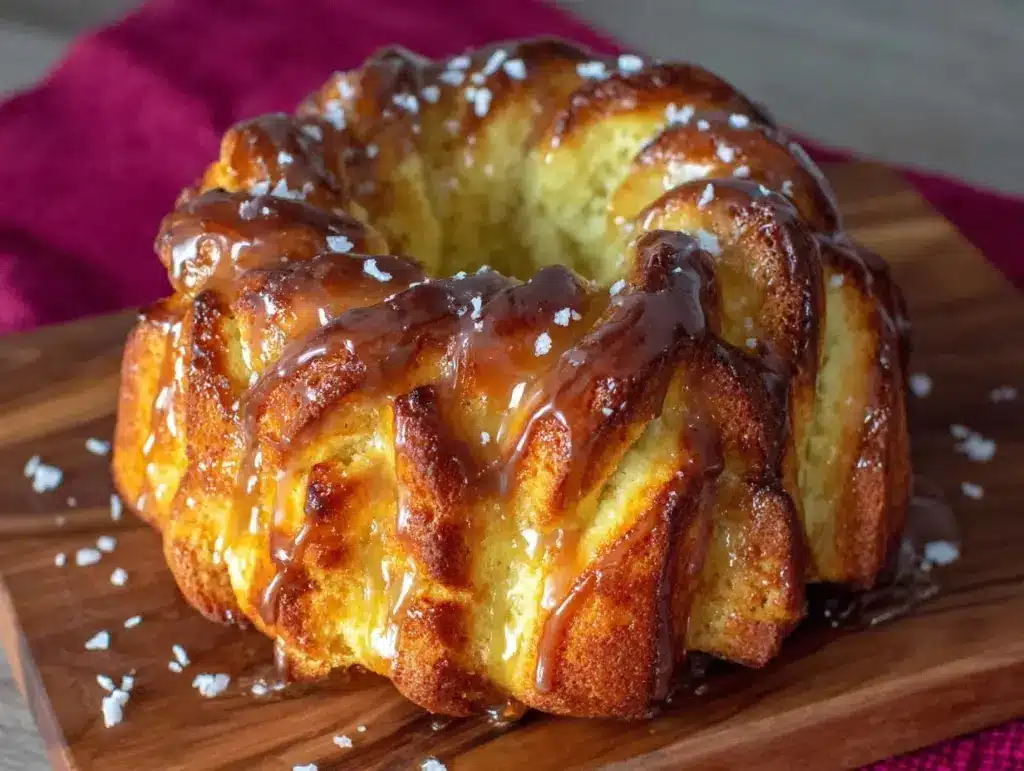
“You’ve got to try this babka,” my aunt said over the phone, her voice bubbling with excitement. She’d just pulled a golden loaf of Polish babka bread from the oven, its sweet aroma weaving through the air like a warm hug. I was skeptical at first—babka always sounded intimidating, like some fancy pastry reserved for weekend bakers with hours to spare. But honestly, after a chaotic morning juggling errands and a toddler’s meltdown, my curiosity won out.
I rolled up my sleeves, armed with flour-dusted hands and a hopeful heart. The process wasn’t as daunting as I feared. That first bite? Soft, buttery, with a swirl of cinnamon and raisins that danced on my tongue, crowned by a rum glaze that wasn’t just a drizzle but a full-on celebration. It reminded me why this bread holds such a special place on Polish tables each Easter—comfort, tradition, and a little indulgence all wrapped into one.
It’s funny how a simple recipe like this babka bread can turn a rushed morning into a quiet moment of calm, a reminder of heritage and home. Every time I make this perfect Polish babka bread with rum glaze for Easter, I’m not just baking bread—I’m stirring memories, sharing love, and yes, sneaking in a second (or third) slice.
Why You’ll Love This Recipe
After dozens of tests and tweaks (and a few kitchen messes), this recipe has become my go-to for Easter and any time I want a sweet, homemade treat that feels special without the fuss. Here’s why this Polish babka bread recipe stands out:
- Quick & Easy: Despite what you might expect, it comes together in just about 3 hours including rising time, which is pretty quick for yeast bread.
- Simple Ingredients: No exotic components here—just pantry staples you likely have on hand, plus a splash of rum that ties it all together.
- Perfect for Easter: This babka is a traditional favorite that’s both festive and comforting, making it ideal for holiday brunch or sharing at family gatherings.
- Crowd-Pleaser: Kids and adults alike can’t get enough of the tender crumb and sweet glaze—it’s always the first to disappear at our table.
- Unbelievably Delicious: What makes this recipe different? The rum glaze is not just a topping but a soak that adds a subtle warmth and shine, elevating the soft, sweet dough without overpowering it.
This isn’t just another babka recipe; it’s the one that makes you pause, savor, and maybe even close your eyes after the first bite. It’s like the best parts of comfort food and tradition had a delicious baby. Plus, if you love recipes with a bit of old-world charm and a modern ease, it’s a total win.
What Ingredients You Will Need
This babka recipe uses simple, wholesome ingredients to deliver bold flavor and that satisfying, tender texture without needing anything complicated. Most of these you’ll find in a well-stocked pantry or refrigerator:
- All-purpose flour (4 cups / 480 g) – I prefer King Arthur for consistent results
- Granulated sugar (1/2 cup / 100 g) – balances the richness
- Active dry yeast (2 1/4 tsp or one packet) – the magic behind the rise
- Whole milk (1 cup / 240 ml), warmed – adds softness
- Unsalted butter (1/2 cup / 115 g), softened – for richness and tenderness
- Large eggs (3), room temperature – helps with structure and moisture
- Salt (1 tsp) – enhances flavor
- Vanilla extract (1 tsp) – subtle aromatic note
- Cinnamon (2 tbsp) – classic babka spice
- Raisins (1/2 cup / 75 g), soaked in warm water – plump and juicy
- Dark rum (1/4 cup / 60 ml) – for the glaze and soaking raisins (optional but highly recommended)
- Powdered sugar (1 cup / 120 g) – for the rum glaze
If you want to swap raisins for chocolate chips or nuts, that works too—just keep the same amount. For a dairy-free option, try coconut milk and vegan butter alternatives; the dough might be a little denser but still delicious. Also, fresh nutmeg or orange zest can be added to the filling for a personal twist. In summer, fresh berries mixed into the dough can make this even more festive.
Equipment Needed
- Mixing bowls: A large one for the dough and a smaller one for soaking raisins.
- Stand mixer with dough hook: Optional but makes kneading easier, especially for beginners. If you don’t have one, hand kneading works fine—just plan on 10-15 minutes of elbow grease.
- Loaf pan: A 9×5-inch (23×13 cm) loaf pan is ideal for shaping the babka.
- Kitchen thermometer: Handy for warming milk to the perfect temperature (about 110°F / 43°C) to activate yeast without killing it.
- Pastry brush: For applying the rum glaze evenly.
- Plastic wrap or clean kitchen towel: To cover the dough during rising.
On a budget? A hand whisk and mixing spoon will do for mixing, and a greased baking dish can substitute for a loaf pan if needed. I’ve had great luck with silicone loaf pans too—they make cleanup easier and prevent sticking.
Preparation Method
- Activate the yeast: In a small bowl, combine the warm milk (110°F / 43°C) with 1 tablespoon of sugar and the active dry yeast. Let it sit for 5-10 minutes until foamy—this means the yeast is alive and kicking.
- Mix dry ingredients: In a large bowl or stand mixer, whisk together the all-purpose flour, remaining sugar, and salt.
- Add wet ingredients: To the dry mix, add the yeast mixture, softened butter, eggs, and vanilla extract. Mix on low speed with a dough hook or stir with a wooden spoon until a sticky dough forms.
- Knead the dough: Knead the dough for about 8-10 minutes by hand or 5-7 minutes with a mixer. It should be smooth, elastic, and slightly tacky but not overly sticky. If too wet, add flour a tablespoon at a time.
- First rise: Lightly oil a large bowl and place the dough inside, turning once to coat. Cover with plastic wrap or a towel and let it rise in a warm spot for 1 to 1.5 hours, until doubled in size.
- Prepare filling: Drain the soaked raisins and toss with cinnamon. You can also add a tablespoon of sugar if you like it sweeter.
- Shape the babka: Punch down the risen dough and roll it out on a floured surface into a rectangle about 12×16 inches (30×40 cm). Evenly sprinkle the cinnamon-raisin mixture over the dough.
- Roll and cut: Roll the dough tightly into a log lengthwise. Using a sharp knife, slice the log in half lengthwise. You’ll have two long pieces with the filling exposed.
- Twist and place in pan: Twist the two halves around each other, keeping the cut sides facing up to show the swirls. Carefully transfer the twist into the greased loaf pan, tucking the ends under.
- Second rise: Cover loosely and let rise for another 45 minutes until puffy.
- Bake: Preheat the oven to 350°F (175°C). Bake the babka for 35-40 minutes until golden brown and cooked through. If the top browns too fast, loosely tent with foil.
- Make rum glaze: While the babka bakes, whisk together powdered sugar and rum until smooth and slightly runny.
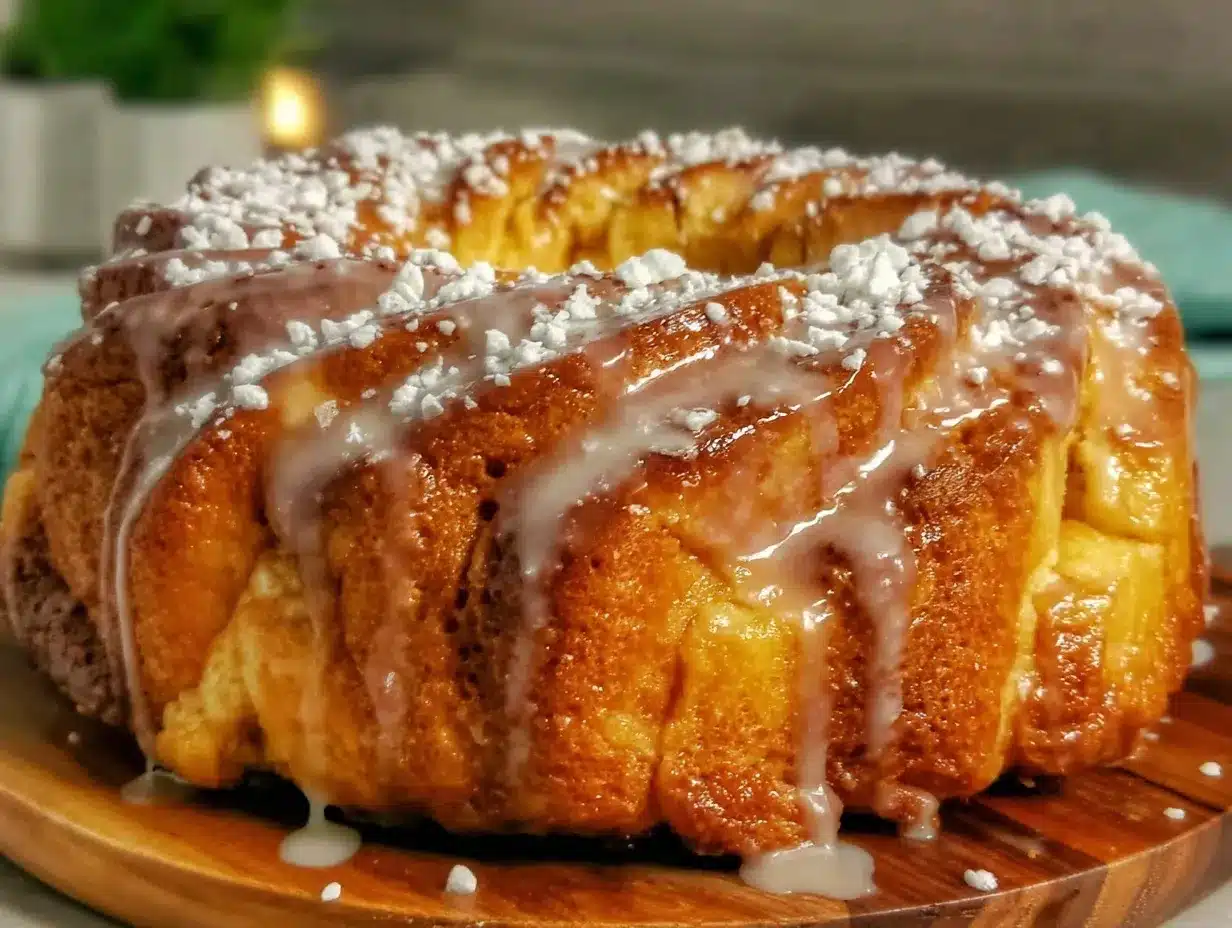
- Glaze the babka: When the bread comes out of the oven, immediately brush the rum glaze over the top so it soaks in and gives a shiny finish.
- Cool and serve: Let the babka cool in the pan for 20 minutes, then transfer to a wire rack to cool completely before slicing.
If your dough feels sluggish rising, try placing it near a warm (but not hot) spot—like atop a turned-off oven or by a sunny window. Don’t rush the rising; it’s key for that tender crumb. And if you want to speed things up, a proofing box or warm bathroom can help.
Cooking Tips & Techniques
The trickiest part of babka is getting a soft, fluffy texture without it collapsing or drying out. Here’s what I’ve learned:
- Milk temperature matters: Too hot kills the yeast; too cold won’t activate it. Aim for warm, like a cozy bath.
- Kneading is key: It builds gluten to trap the gases that make the bread rise. If you skip this, expect a dense loaf.
- Don’t over-flour: The dough should be a bit sticky but manageable. Too much flour makes the bread heavy.
- Watch the rise: Over-proofing makes the dough collapse; under-proofing means it won’t be airy. The dough should roughly double each time.
- Glaze while hot: Applying the rum glaze right out of the oven locks in moisture and adds that signature shine and flavor.
Once, I tried rushing the second rise and ended up with a loaf that was dense and flat—lesson learned! Patience really is part of this recipe’s charm. For multitasking, I often prep the glaze while the babka bakes and soak raisins the night before to save time. If you want to see a vibrant side dish to pair with your Easter spread, the sautéed green beans with lemon zest is a fresh, bright contrast.
Variations & Adaptations
One of the best things about babka is how versatile it can be. Here are some ways to switch things up:
- Chocolate Babka: Swap the cinnamon-raisin filling for melted dark chocolate or chocolate chips mixed with a bit of butter and sugar. It’s a crowd favorite for kids and chocoholics alike.
- Nutty Twist: Add chopped walnuts or pecans to the filling for extra crunch and a toasty flavor.
- Fruit Variations: Use dried cherries, cranberries, or even fresh berries (especially in summer) instead of raisins for a tangy pop.
- Gluten-Free: Try almond flour blends with xanthan gum instead of all-purpose flour. The texture will be different but still delicious.
- Alcohol-Free Glaze: Replace rum with orange juice or brewed coffee for a kid-friendly version that still adds moisture and flavor.
Personally, I once made a lemon-poppy seed babka with a citrus glaze when I was craving something brighter. It wasn’t traditional, but it disappeared just as fast. For a hearty Easter dinner, pairing this babka with a savory dish like the crockpot green bean casserole brings a lovely balance of sweet and savory on the table.
Serving & Storage Suggestions
The babka is best enjoyed at room temperature, allowing the flavors and the rum glaze to shine through. Slice it thick for breakfast with a pat of butter, or thinly as a sweet snack with afternoon coffee or tea.
For serving ideas, try pairing the babka with fruit preserves or a smear of cream cheese. It’s a perfect complement for Easter brunch alongside dishes like roasted vegetables or a fresh salad.
To store, wrap tightly in plastic wrap or keep in an airtight container. It stays fresh at room temperature for up to 3 days. For longer storage, freeze the babka sliced with parchment between pieces to prevent sticking; thaw overnight in the fridge.
Reheat slices gently in a toaster oven or microwave to bring back that just-baked warmth. The flavors actually deepen after a day, so leftovers can be even better. If you want a cozy pairing, try this babka with a cup of mulled cider or even a lightly spiced hot chocolate.
Nutritional Information & Benefits
This Polish babka bread is a treat but also offers some nutrition from its wholesome ingredients. Here’s an estimate per slice (1/12 of the loaf):
| Calories | 220 |
|---|---|
| Carbohydrates | 35 g |
| Fat | 7 g |
| Protein | 5 g |
| Sugar | 10 g |
The bread provides energy from complex carbs and fats, plus protein from eggs and butter. Raisins add a bit of fiber and natural sweetness. Using whole milk and quality butter gives it richness but also fat-soluble vitamins. For those watching gluten, this recipe is not gluten-free by default but can be adapted.
Rum in the glaze is minimal and mostly cooks off, leaving behind flavor rather than alcohol content. This recipe balances indulgence with tradition, making it a meaningful addition to your holiday table without being too heavy or overly sweet.
Conclusion
This perfect Polish babka bread with rum glaze for Easter has become a quiet tradition in my kitchen—the recipe that turns busy mornings into moments worth savoring. It’s approachable, forgiving, and honestly a little addictive. Whether you stick to the classic filling or try one of the variations, it’s a recipe that invites you to slow down and enjoy the simple pleasures of baking and sharing.
Give yourself permission to make it your own, add your favorite mix-ins, or even pair it with a savory side like the brioche stuffing with chestnuts and figs for a cozy holiday meal. I’d love to hear how your babka turns out or any personal twists you add—drop a comment or share your photos!
Happy baking and warm wishes for your Easter table.
FAQs
- Can I make Polish babka bread without yeast?
Yeast is essential for the light, fluffy texture of babka. You could try a quick bread version with baking powder, but it won’t have the same classic rise and chew. - Is the rum glaze necessary?
No, but it adds a signature flavor and shine. You can substitute with orange juice or a simple sugar glaze if preferred. - How long does babka stay fresh?
When stored properly at room temperature, babka stays fresh for 2-3 days. Freezing extends shelf life up to 3 months. - Can I prepare the dough ahead of time?
Yes! You can make the dough the night before and let it rise slowly in the fridge, then shape and bake the next day. - What’s the best way to reheat babka?
Warm slices in a toaster oven or microwave for 15-20 seconds for that fresh-baked feel.
Pin This Recipe!
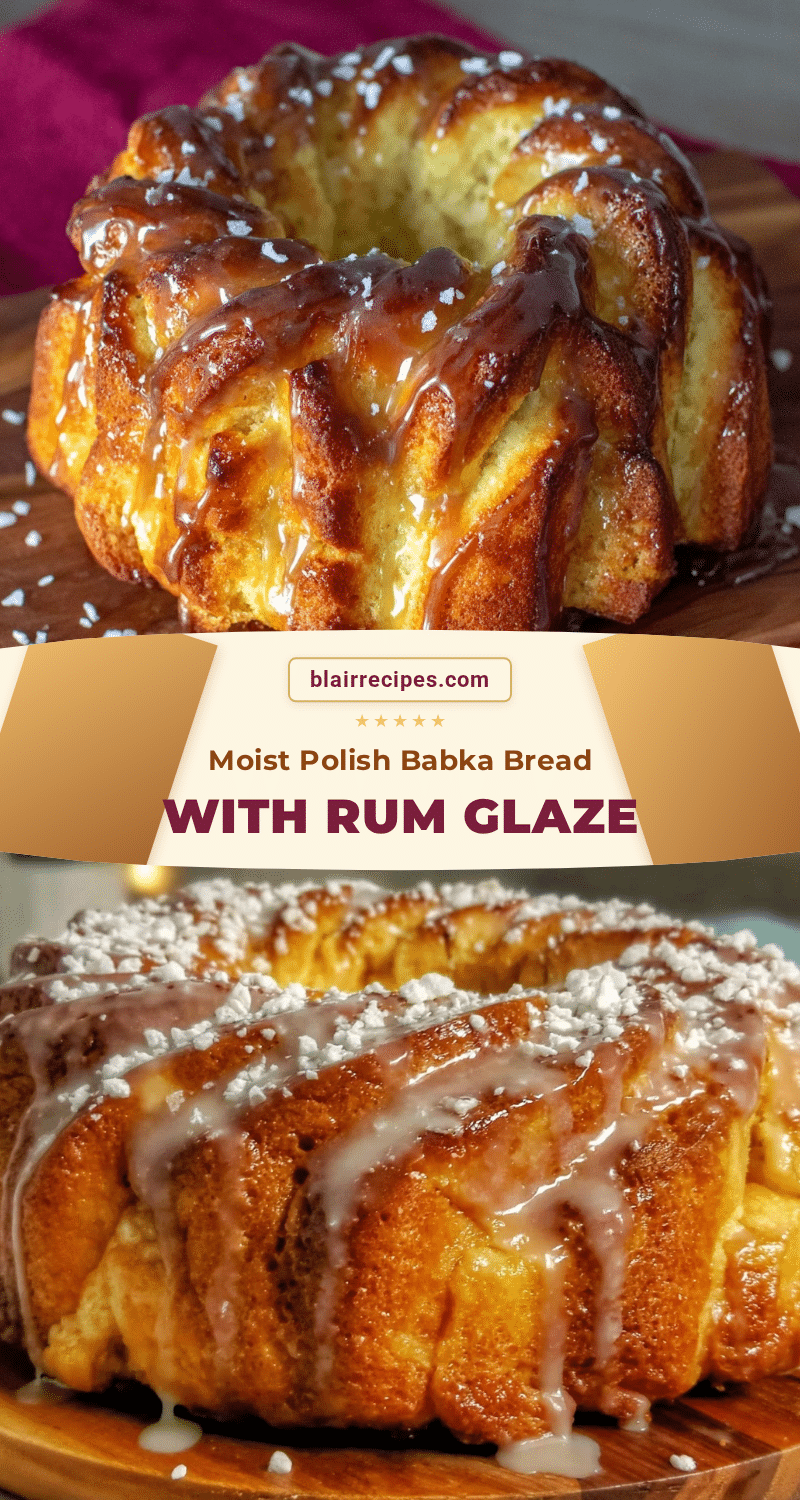
Perfect Polish Babka Bread Recipe with Easy Rum Glaze for Easter

A traditional Polish babka bread with a soft, buttery crumb, cinnamon-raisin filling, and a sweet rum glaze. Perfect for Easter brunch or any special occasion.
- Prep Time: 30 minutes
- Cook Time: 40 minutes
- Total Time: 3 hours 10 minutes
- Yield: 12 servings 1x
- Category: Dessert
- Cuisine: Polish
Ingredients
- 4 cups all-purpose flour (480 g)
- 1/2 cup granulated sugar (100 g), divided
- 2 1/4 tsp active dry yeast (one packet)
- 1 cup whole milk (240 ml), warmed to 110°F (43°C)
- 1/2 cup unsalted butter (115 g), softened
- 3 large eggs, room temperature
- 1 tsp salt
- 1 tsp vanilla extract
- 2 tbsp cinnamon
- 1/2 cup raisins (75 g), soaked in warm water
- 1/4 cup dark rum (60 ml), for glaze and soaking raisins (optional but recommended)
- 1 cup powdered sugar (120 g), for rum glaze
Instructions
- Activate the yeast: In a small bowl, combine the warm milk (110°F / 43°C) with 1 tablespoon of sugar and the active dry yeast. Let it sit for 5-10 minutes until foamy.
- Mix dry ingredients: In a large bowl or stand mixer, whisk together the all-purpose flour, remaining sugar, and salt.
- Add wet ingredients: To the dry mix, add the yeast mixture, softened butter, eggs, and vanilla extract. Mix on low speed with a dough hook or stir with a wooden spoon until a sticky dough forms.
- Knead the dough: Knead the dough for about 8-10 minutes by hand or 5-7 minutes with a mixer until smooth, elastic, and slightly tacky. Add flour a tablespoon at a time if too wet.
- First rise: Lightly oil a large bowl and place the dough inside, turning once to coat. Cover and let rise in a warm spot for 1 to 1.5 hours until doubled in size.
- Prepare filling: Drain the soaked raisins and toss with cinnamon. Optionally add 1 tablespoon sugar for sweetness.
- Shape the babka: Punch down the risen dough and roll it out on a floured surface into a 12×16 inch rectangle. Evenly sprinkle the cinnamon-raisin mixture over the dough.
- Roll and cut: Roll the dough tightly into a log lengthwise. Slice the log in half lengthwise to expose the filling.
- Twist and place in pan: Twist the two halves around each other with cut sides facing up. Transfer the twist into a greased 9×5 inch loaf pan, tucking the ends under.
- Second rise: Cover loosely and let rise for another 45 minutes until puffy.
- Bake: Preheat oven to 350°F (175°C). Bake for 35-40 minutes until golden brown. Tent with foil if top browns too fast.
- Make rum glaze: Whisk together powdered sugar and rum until smooth and slightly runny.
- Glaze the babka: Brush the rum glaze over the hot bread immediately after baking to soak in and add shine.
- Cool and serve: Let cool in the pan for 20 minutes, then transfer to a wire rack to cool completely before slicing.
Notes
Milk temperature is critical for activating yeast; aim for 110°F (43°C). Kneading builds gluten for a soft, fluffy texture. Avoid over-flouring to prevent a heavy loaf. Apply rum glaze while the bread is hot for best shine and flavor. Dough can be prepared the night before and risen slowly in the fridge. Raisins can be swapped for chocolate chips or nuts. For dairy-free, use coconut milk and vegan butter alternatives.
Nutrition
- Serving Size: 1 slice (1/12 of loa
- Calories: 220
- Sugar: 10
- Fat: 7
- Carbohydrates: 35
- Protein: 5
Keywords: Polish babka, babka bread, Easter bread, cinnamon raisin bread, rum glaze, traditional Polish dessert, yeast bread, holiday baking