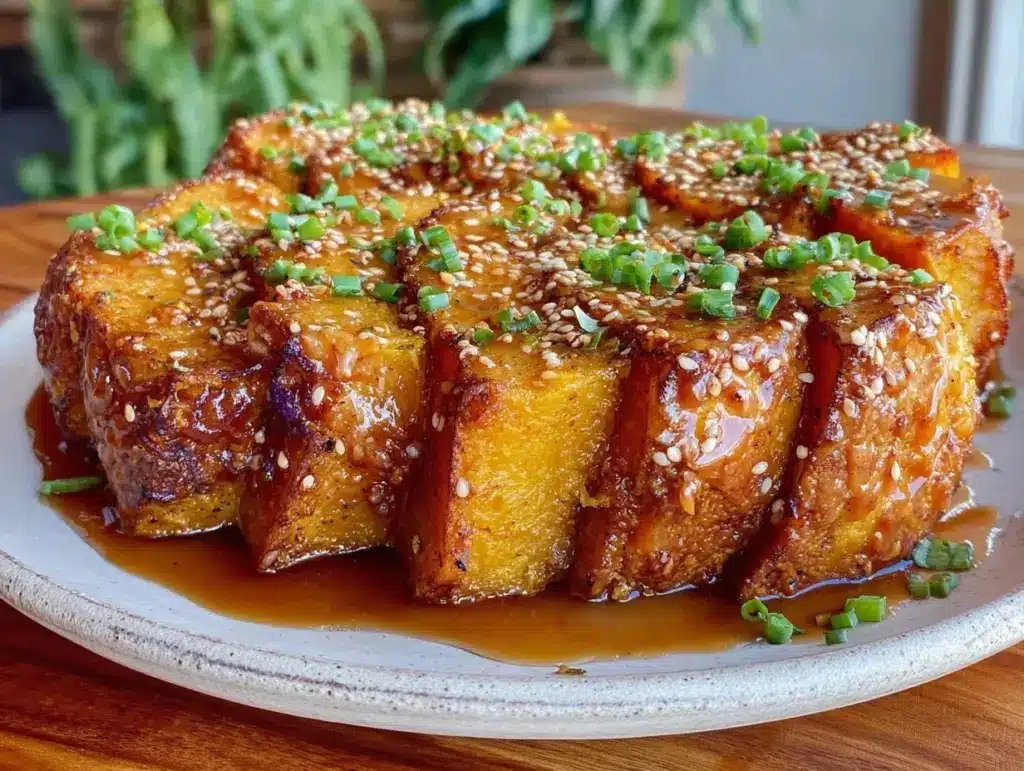
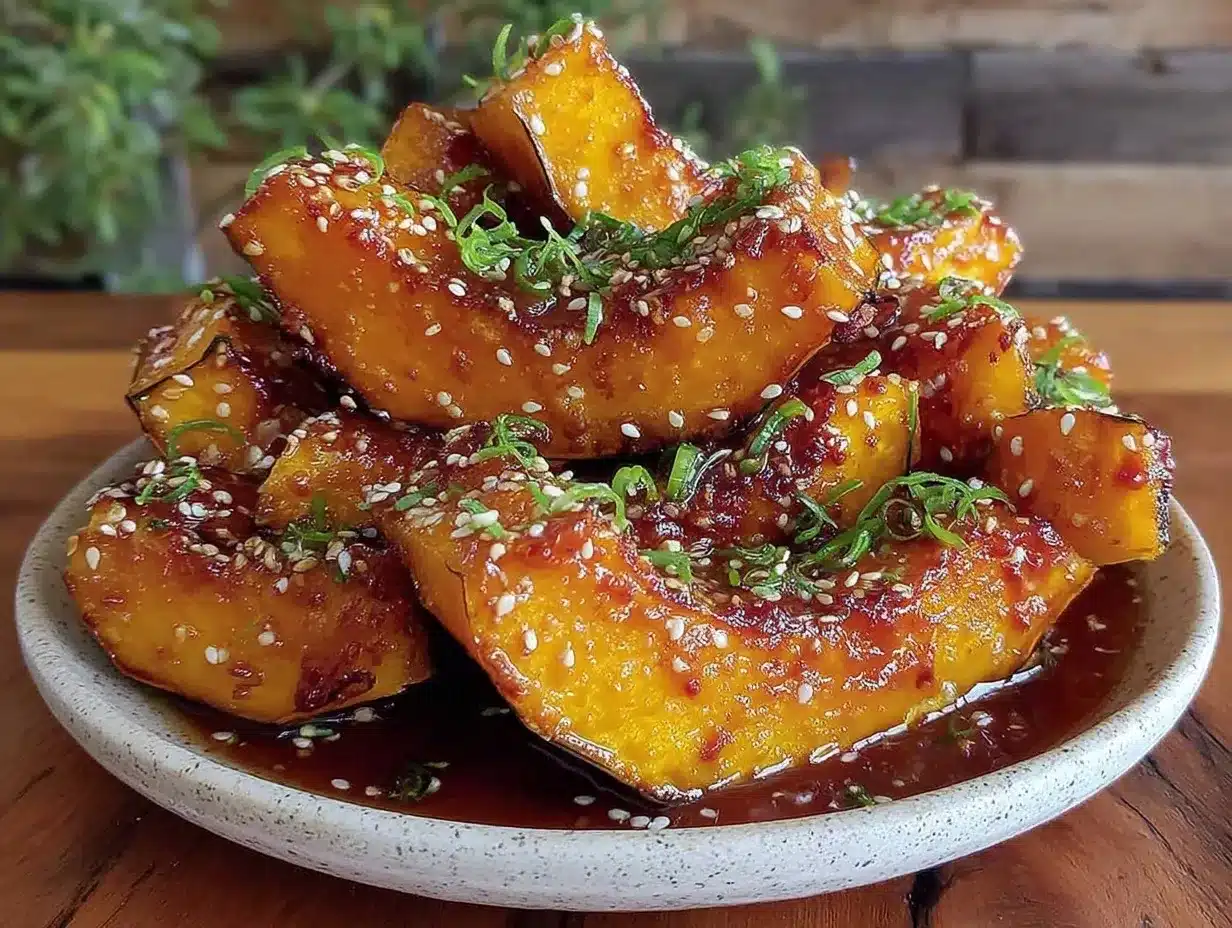
The sweet aroma of roasted kabocha squash with a sticky miso glaze filling the kitchen is honestly one of those moments that stops you in your tracks. I first stumbled upon this roasted kabocha squash recipe during a chilly fall weekend when I wanted something cozy but different from the usual. The way the natural sweetness of the squash pairs with the umami-packed miso glaze? Pure magic. It’s like autumn on a plate, comforting yet exciting.
As a longtime fan of seasonal cooking, I’ve tested this dish more times than I can count—sometimes swapping spices, sometimes tweaking the glaze. But this version with the sweet miso glaze always wins hands down. It’s a simple, fuss-free recipe that fits perfectly into busy weeknights or a laid-back weekend meal. Plus, it’s a colorful crowd-pleaser that even picky eaters tend to ask for seconds.
What I love most about this roasted kabocha squash recipe is how it brings out the best in such a humble squash. The glaze adds a rich, savory-sweet layer that makes every bite pop. Whether you’re a seasoned cook or a newbie in the kitchen, this recipe will quickly become a fall staple. Trust me, once you try this, you’ll find yourself craving it long after squash season ends.
Why You’ll Love This Recipe
- Quick & Easy: Ready in about 40 minutes from start to finish—perfect for busy evenings or last-minute dinner plans.
- Simple Ingredients: No need to hunt down fancy stuff. Most of these are pantry staples or easy to find at your local market.
- Perfect for Fall: Brings warm, cozy flavors that are ideal for brisk autumn days or holiday gatherings.
- Crowd-Pleaser: The unique sweet miso glaze makes this more than just roasted squash—it’s a dish that gets rave reviews from all ages.
- Unbelievably Delicious: The contrast between the caramelized edges and the soft, velvety interior is next-level comfort food.
What sets this recipe apart is the glaze technique. Instead of just drizzling miso or honey on top, the glaze is cooked down to a luscious syrup that clings to the squash, giving every bite a perfect balance of sweet and savory. I’ve tried several versions over the years, and this one nails that ideal sticky texture without overpowering the squash’s natural flavor. Honestly, it’s the kind of recipe you’ll want to make again and again for both everyday meals and special occasions.
What Ingredients You Will Need
This roasted kabocha squash recipe uses simple, wholesome ingredients to deliver bold flavor and a satisfying texture without the fuss. Most of these ingredients are pantry staples, and you probably have many of them on hand already.
- Kabocha squash: 1 medium (about 2-3 pounds), seeds removed and cut into 1-inch wedges (look for firm, deep green skin with bright orange flesh inside)
- Sweet miso paste: 3 tablespoons (I prefer white miso for its mild sweetness, but yellow miso works too)
- Honey or maple syrup: 2 tablespoons (adds natural sweetness and helps the glaze caramelize)
- Soy sauce or tamari: 1 tablespoon (use tamari for gluten-free option)
- Rice vinegar: 1 teaspoon (balances the sweetness with a slight tang)
- Sesame oil: 1 teaspoon (for a subtle nutty aroma)
- Garlic: 1 clove, minced (optional, but adds nice depth)
- Fresh ginger: 1 teaspoon, grated (optional, for a mild zing)
- Salt and black pepper: to taste
- Toasted sesame seeds: for garnish (adds crunch and visual appeal)
- Chopped scallions or fresh herbs: for garnish (optional, adds a pop of color and freshness)
If you want to experiment, you can swap the honey with agave nectar or a favorite vegan sweetener. And if you’re aiming for a lower sodium version, look for low-sodium soy sauce varieties. When picking your kabocha squash, try to get one that feels heavy for its size—this usually means it’s nice and dense, giving you sweeter flesh.
Equipment Needed
- Baking sheet: A rimmed sheet pan works best to catch any glaze drips and allows for even roasting.
- Parchment paper or silicone baking mat: For easy cleanup and to prevent sticking.
- Small saucepan: To warm and thicken the miso glaze.
- Mixing bowls: For tossing the squash with oil and seasoning.
- Sharp knife and cutting board: Essential for safely cutting the squash into wedges.
- Basting brush (optional): Helpful for applying the glaze evenly, but a spoon works fine too.
If you don’t have parchment paper, lightly greasing the baking sheet with oil prevents sticking. I’ve roasted kabocha on cast iron skillets too, which give slightly crispier edges but require careful attention to avoid burning. For budget-friendly options, any sturdy baking tray with sides will do just fine.
Detailed Preparation Method
- Preheat your oven to 400°F (200°C). Line a baking sheet with parchment paper or a silicone mat to keep things tidy.
- Prepare the kabocha squash: Using a sharp knife, carefully cut the squash in half and scoop out the seeds. Then slice into 1-inch thick wedges, leaving the skin on—it becomes deliciously tender when roasted. Place the wedges in a large mixing bowl.
- Toss the squash: Drizzle 2 tablespoons of neutral oil (like canola or avocado) over the wedges. Add a pinch of salt and pepper, and toss until every piece is lightly coated. Spread them out evenly on the baking sheet, skin side down for best caramelization.
- Roast the squash: Slide the tray into the oven and roast for about 25 minutes. At this point, the squash should be tender when pierced with a fork and starting to brown around the edges. If you notice uneven cooking, rotate the tray halfway through.
- Make the sweet miso glaze: While the squash roasts, combine the miso paste, honey (or maple syrup), soy sauce, rice vinegar, sesame oil, minced garlic, and grated ginger in a small saucepan. Warm over low heat, stirring frequently, until the mixture thickens slightly to a syrupy consistency—about 5 minutes. Be careful not to burn the glaze; lower heat is your friend here.
- Glaze the squash: Remove the baking sheet from the oven. Using a basting brush or spoon, generously coat each wedge with the sweet miso glaze. Make sure every nook and cranny gets covered for maximum flavor.
- Finish roasting: Return the squash to the oven and roast for another 10-12 minutes. The glaze should bubble and slightly caramelize, creating a sticky, irresistible coating.
- Garnish and serve: Once out of the oven, sprinkle toasted sesame seeds and chopped scallions or herbs over the top. Serve warm as a side dish or a vegetarian main with some steamed rice or greens.
Pro tip: If the glaze thickens too much while sitting, gently warm it again before brushing. Also, watch the squash closely the last 5 minutes to avoid burning the sugars in the glaze. The smell will be your best guide—it should smell sweet and nutty, never acrid.
Cooking Tips & Techniques
Roasting kabocha squash to perfection is all about temperature and timing. I learned the hard way that roasting at too high a heat causes burnt edges before the inside cooks through. 400°F (200°C) hits the sweet spot, yielding tender flesh and nicely caramelized skin.
Another key is slicing the wedges evenly so they roast uniformly. Uneven pieces can result in some mushy parts and others that are still tough. Also, leaving the skin on not only holds the shape but adds a subtle roasted flavor and makes handling easier.
The sweet miso glaze is a bit of a balancing act. Heating it gently is crucial to avoid bitterness from burnt miso or honey. Stir frequently and keep the heat low. If you don’t have miso paste, you can experiment with tahini and soy sauce, but honestly, the miso’s umami is what gives this recipe its signature depth.
When applying the glaze, don’t skimp! I often double brush the squash halfway through the second roasting to build up that sticky layer. If you want a little extra crunch, turning on the broiler for the last 1-2 minutes works wonders—just watch it closely!
Variations & Adaptations
- Spicy Kick: Add a pinch of chili flakes or a dash of sriracha to the glaze for a subtle heat that pairs beautifully with the sweetness.
- Vegan Version: Swap honey for maple syrup or agave nectar to keep it plant-based without losing that luscious glaze texture.
- Nutty Twist: Sprinkle chopped toasted walnuts or pecans on top after roasting for an added crunch and earthy flavor.
- Different Squash: If you can’t find kabocha, try this glaze on delicata or butternut squash wedges—results are slightly different but equally delicious.
- Grilled Option: For a smoky note, grill the squash pieces after parboiling until tender, then brush with the glaze and grill a few more minutes to caramelize.
Once, I tried adding a splash of orange juice to the glaze for a citrusy brightness—turned out surprisingly refreshing! Feel free to experiment with herbs like thyme or rosemary in the glaze for a unique spin. Just remember, the core idea is balancing sweet, salty, and umami.
Serving & Storage Suggestions
Serve this roasted kabocha squash warm, ideally right out of the oven when the glaze is still glossy and sticky. It pairs wonderfully with steamed jasmine rice, sautéed greens, or even a simple green salad to lighten the plate. For festive meals, try serving alongside roasted chicken or grilled fish—the flavors complement each other beautifully.
To store leftovers, place cooled squash in an airtight container in the refrigerator for up to 3 days. The glaze may thicken and harden slightly, but gently reheating in a skillet or oven brings back that lovely sticky texture. Avoid microwaving if possible, as it can make the squash mushy.
Freezing is not recommended since the texture changes and the glaze might separate. Interestingly, the flavors in this dish tend to develop and deepen after a day, so if you can resist, letting it rest overnight in the fridge makes the next day’s serving even better.
Nutritional Information & Benefits
This roasted kabocha squash recipe is not just tasty but also nutritious. A single serving (about 1 cup or 200 grams) contains approximately 120 calories, 2 grams of protein, 0.5 grams of fat, and 28 grams of carbohydrates—mostly from natural sugars and fiber.
Kabocha squash is rich in beta-carotene, vitamin C, and potassium, making it a great choice for immune support and skin health. The miso paste adds probiotics and a modest amount of protein, while sesame oil contributes heart-healthy fats. This dish is naturally gluten-free (when using tamari) and can easily fit into vegan and vegetarian diets.
Be mindful of sodium content from soy sauce and miso if you’re watching salt intake. You can reduce the amount or opt for low-sodium varieties without sacrificing flavor.
Conclusion
If you’re looking for a fall recipe that combines comfort, flavor, and simplicity, this roasted kabocha squash with sweet miso glaze is a winner. It’s the kind of dish that makes you feel cozy inside and impresses without stress. I love how easy it is to prepare but still feels special enough for guests.
Customize the glaze or garnishes to suit your taste, and don’t be shy about trying new variations—this recipe is a great canvas for creativity. I’m confident after making this a few times, you’ll keep it in your seasonal rotation just like I do.
Give it a shot, and please leave a comment sharing your twists or how it turned out for you. Happy cooking!
FAQs
What is the best way to cut kabocha squash safely?
Use a sharp knife and a sturdy cutting board. Cut off the stem end first for a flat surface, then halve the squash. Scoop out seeds with a spoon before slicing into wedges. Taking your time and using steady pressure helps prevent slips.
Can I make this recipe gluten-free?
Absolutely! Just swap regular soy sauce for tamari or a certified gluten-free soy sauce. The rest of the ingredients are naturally gluten-free.
How do I store leftover roasted kabocha squash?
Store cooled leftovers in an airtight container in the fridge for up to 3 days. Reheat gently in a skillet or oven to keep the glaze nice and sticky.
Can I prepare the miso glaze ahead of time?
Yes, you can make the glaze a day ahead and refrigerate it. Warm it gently before brushing onto the squash to restore its syrupy texture.
Is it necessary to leave the skin on the squash?
While you can peel it if you prefer, the skin becomes tender and flavorful when roasted and helps hold the wedges together. Plus, it adds a lovely texture contrast.
Pin This Recipe!
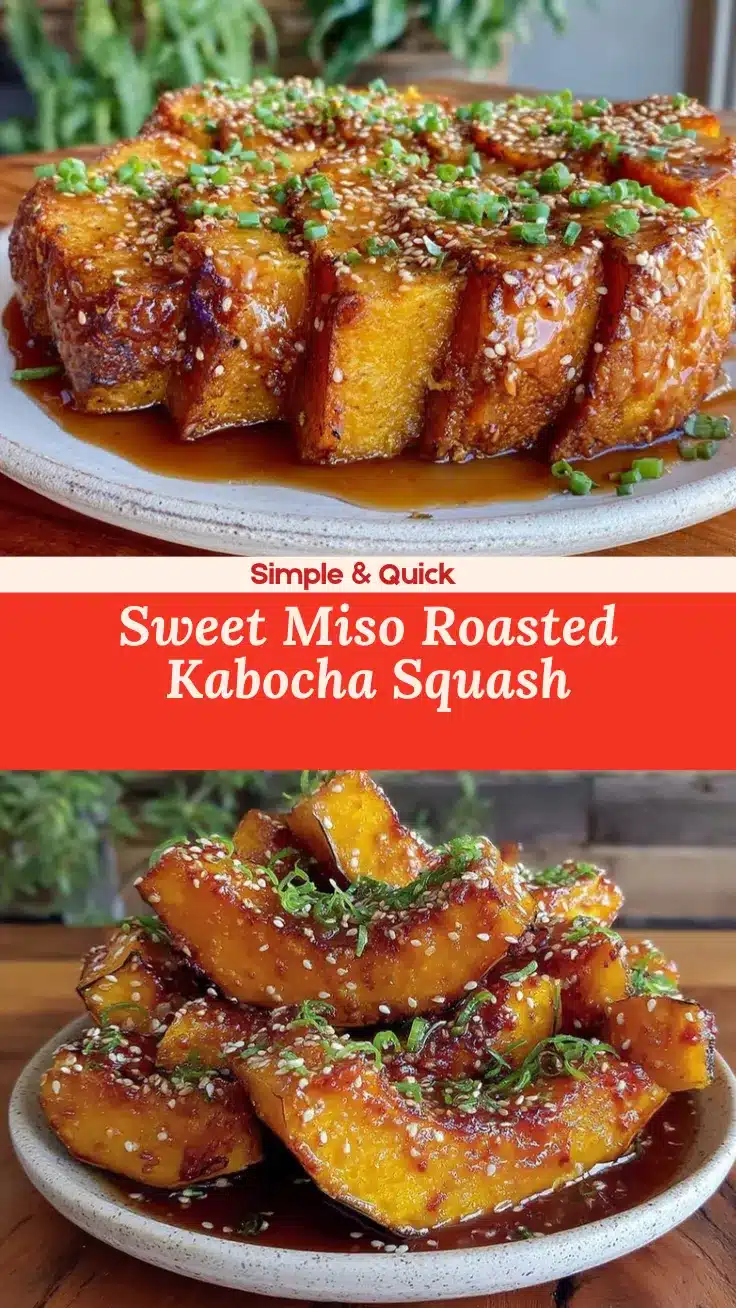
Roasted Kabocha Squash Recipe Easy Sweet Miso Glaze for Fall

A cozy and flavorful roasted kabocha squash dish with a sticky sweet miso glaze, perfect for fall and easy to prepare for busy weeknights or special occasions.
- Prep Time: 10 minutes
- Cook Time: 37 minutes
- Total Time: 47 minutes
- Yield: 4 servings 1x
- Category: Side Dish
- Cuisine: Japanese
Ingredients
- 1 medium kabocha squash (about 2–3 pounds), seeds removed and cut into 1-inch wedges
- 3 tablespoons sweet miso paste (white or yellow miso)
- 2 tablespoons honey or maple syrup
- 1 tablespoon soy sauce or tamari (for gluten-free option)
- 1 teaspoon rice vinegar
- 1 teaspoon sesame oil
- 1 clove garlic, minced (optional)
- 1 teaspoon fresh ginger, grated (optional)
- Salt and black pepper to taste
- Toasted sesame seeds for garnish
- Chopped scallions or fresh herbs for garnish (optional)
- 2 tablespoons neutral oil (such as canola or avocado) for tossing squash
Instructions
- Preheat your oven to 400°F (200°C). Line a baking sheet with parchment paper or a silicone mat.
- Cut the kabocha squash in half and scoop out the seeds. Slice into 1-inch thick wedges, leaving the skin on. Place wedges in a large mixing bowl.
- Drizzle 2 tablespoons of neutral oil over the wedges. Add salt and pepper to taste and toss to coat evenly.
- Spread the squash wedges evenly on the baking sheet, skin side down.
- Roast the squash for about 25 minutes until tender and starting to brown. Rotate the tray halfway through if needed.
- While roasting, combine miso paste, honey or maple syrup, soy sauce or tamari, rice vinegar, sesame oil, minced garlic, and grated ginger in a small saucepan. Warm over low heat, stirring frequently, until thickened to a syrupy consistency (about 5 minutes).
- Remove the squash from the oven and brush each wedge generously with the sweet miso glaze.
- Return the squash to the oven and roast for another 10-12 minutes until the glaze bubbles and caramelizes.
- Garnish with toasted sesame seeds and chopped scallions or fresh herbs. Serve warm.
Notes
If glaze thickens too much, gently warm before brushing. Watch closely during last 5 minutes to avoid burning sugars. Leaving skin on adds flavor and helps hold wedges. For extra crunch, broil for 1-2 minutes at the end, watching carefully. Can substitute honey with maple syrup or agave nectar for vegan version. Use tamari for gluten-free option. Store leftovers in airtight container in fridge up to 3 days; reheat gently in skillet or oven. Freezing not recommended.
Nutrition
- Serving Size: About 1 cup (200 gra
- Calories: 120
- Fat: 0.5
- Carbohydrates: 28
- Protein: 2
Keywords: roasted kabocha squash, miso glaze, fall recipe, sweet miso, easy squash recipe, vegetarian, gluten-free, autumn dish