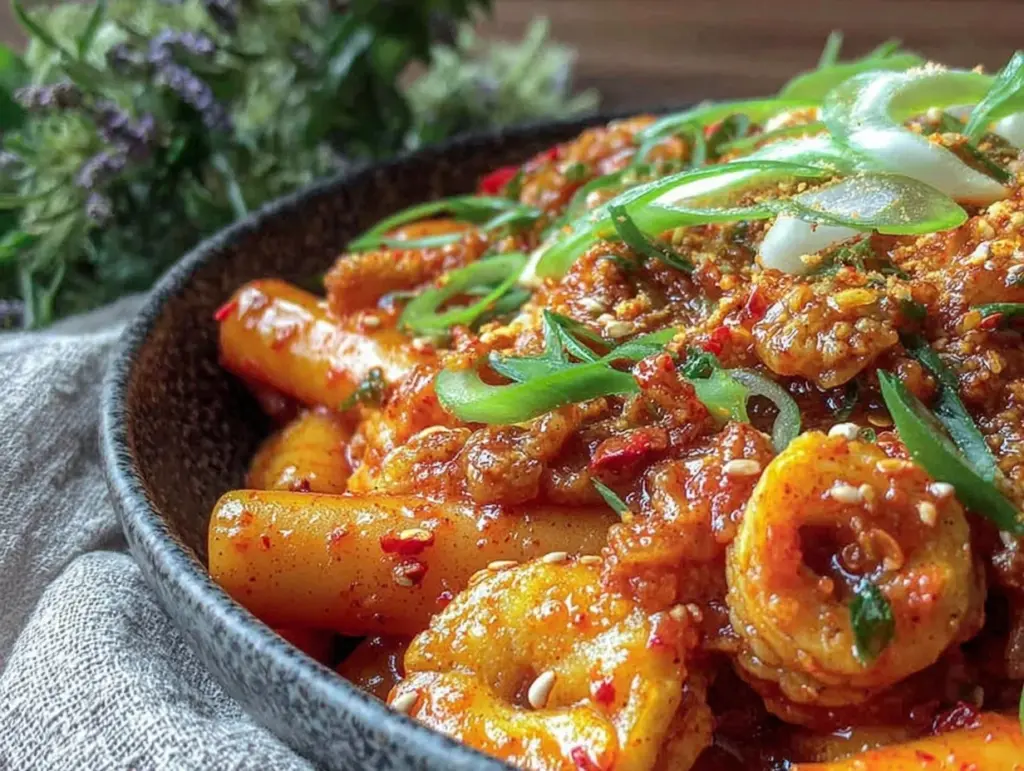
The moment you get a whiff of spicy tteokbokki simmering on the stove, it’s like a little firework show in your kitchen. Honestly, I first stumbled upon this irresistible spicy tteokbokki recipe during a chilly winter night craving something bold and comforting. The chewy rice cakes soaked in that vibrant, fiery sauce instantly won me over. You know that feeling when comfort food hits all the right notes? That’s exactly what this Korean classic delivers.
Over the years, I’ve played around with the heat levels and sauce balance to create a spicy tteokbokki recipe that’s just right—not too punishing but with enough kick to keep you coming back. Whether you’re a Korean food newbie or a seasoned fan, this homemade take on Korean rice cakes is a must-try. It’s perfect for busy weeknights or whenever you want a quick, satisfying snack that’s packed with flavor and texture.
What makes this spicy tteokbokki recipe stand out? It’s the perfect heat that hugs the rice cakes, the slightly sweet undertone, and the comforting chewiness you can’t resist. Plus, I’ve tested this recipe multiple times to get the sauce just right—not too thick, not too runny. If you’ve ever been intimidated by Korean cooking, this is an easy homemade dish that proves you don’t need fancy ingredients or complicated steps to enjoy authentic flavors. Let’s get cooking!
Why You’ll Love This Recipe
- Quick & Easy: Comes together in about 30 minutes—ideal when you want something spicy and satisfying without waiting around.
- Simple Ingredients: Uses pantry staples like rice cakes and gochujang; no exotic shopping trips required.
- Perfect for Snacking or Meals: Whether it’s a cozy night in, a casual get-together, or a late-night craving, this spicy tteokbokki hits the spot.
- Crowd-Pleaser: Kids and adults alike love the chewy texture combined with that punchy sauce.
- Unbelievably Delicious: The balance of spicy, sweet, and savory flavors creates a comforting, addictive dish you can’t stop eating.
What sets this recipe apart is how I’ve adjusted the spice level to suit most palates without dulling that authentic Korean heat. The trick? Blending the gochujang with just the right amount of sugar and soy sauce to create a sauce that’s bold but balanced. Plus, using chewy, fresh rice cakes instead of frozen makes all the difference. This isn’t just another spicy tteokbokki recipe; it’s my go-to version that I keep coming back to whenever I want a little fire and comfort combined.
What Ingredients You Will Need
This spicy tteokbokki recipe uses straightforward, wholesome ingredients that work together to create that signature flavor and texture. Most of these are pantry staples or easy to find at any Asian grocery store.
- Korean Rice Cakes (tteok): 14 oz (400g) – Fresh or refrigerated, not frozen if possible for the best chew.
- Gochujang (Korean chili paste): 3 tablespoons – This is the star for that spicy, savory depth. I prefer Chung Jung One brand for consistent heat.
- Gochugaru (Korean chili flakes): 1 tablespoon – Adds extra smoky heat; optional if you want to tweak the spice.
- Soy Sauce: 2 tablespoons – For umami richness. Use low sodium if you want to control saltiness.
- Sugar: 1 tablespoon – Balances the spice with a touch of sweetness; brown sugar works beautifully here.
- Garlic: 2 cloves, minced – Fresh garlic amps up the savory notes.
- Water or Anchovy Broth: 1 cup (240 ml) – For simmering; anchovy broth adds an authentic depth, but water works fine.
- Scallions: 2 stalks, sliced diagonally – Adds freshness and color at the end.
- Fish Cake: 3 oz (85g), sliced (optional) – Classic addition that soaks up the sauce deliciously.
- Sesame Seeds: 1 teaspoon – For garnish and a subtle nutty crunch.
- Sesame Oil: 1 teaspoon – A finishing touch for aroma and flavor.
If you want a vegetarian version, simply skip the fish cake and use vegetable broth instead of anchovy. For gluten-free, check your soy sauce and gochujang labels carefully or swap for tamari. I’ve found that fresh rice cakes make a world of difference; if frozen, soak them in warm water for 10 minutes before cooking to soften.
Equipment Needed
- Large Non-Stick Skillet or Wide Pan: Ideal for even simmering and stirring without sticking.
- Wooden Spoon or Silicone Spatula: For gentle stirring so the rice cakes don’t break apart.
- Measuring Spoons and Cups: For accuracy, especially with spicy ingredients.
- Knife and Cutting Board: To slice scallions and fish cakes.
- Small Bowl: For mixing the sauce.
If you don’t have a non-stick pan, a well-seasoned cast iron works fine but watch the heat to avoid burning the sauce. I once tried using a regular stainless steel pan and ended up with some sticky bits—lesson learned, non-stick pans really help. For budget-friendly options, any medium-sized skillet will do, just keep an eye on stirring frequently.
Detailed Preparation Method
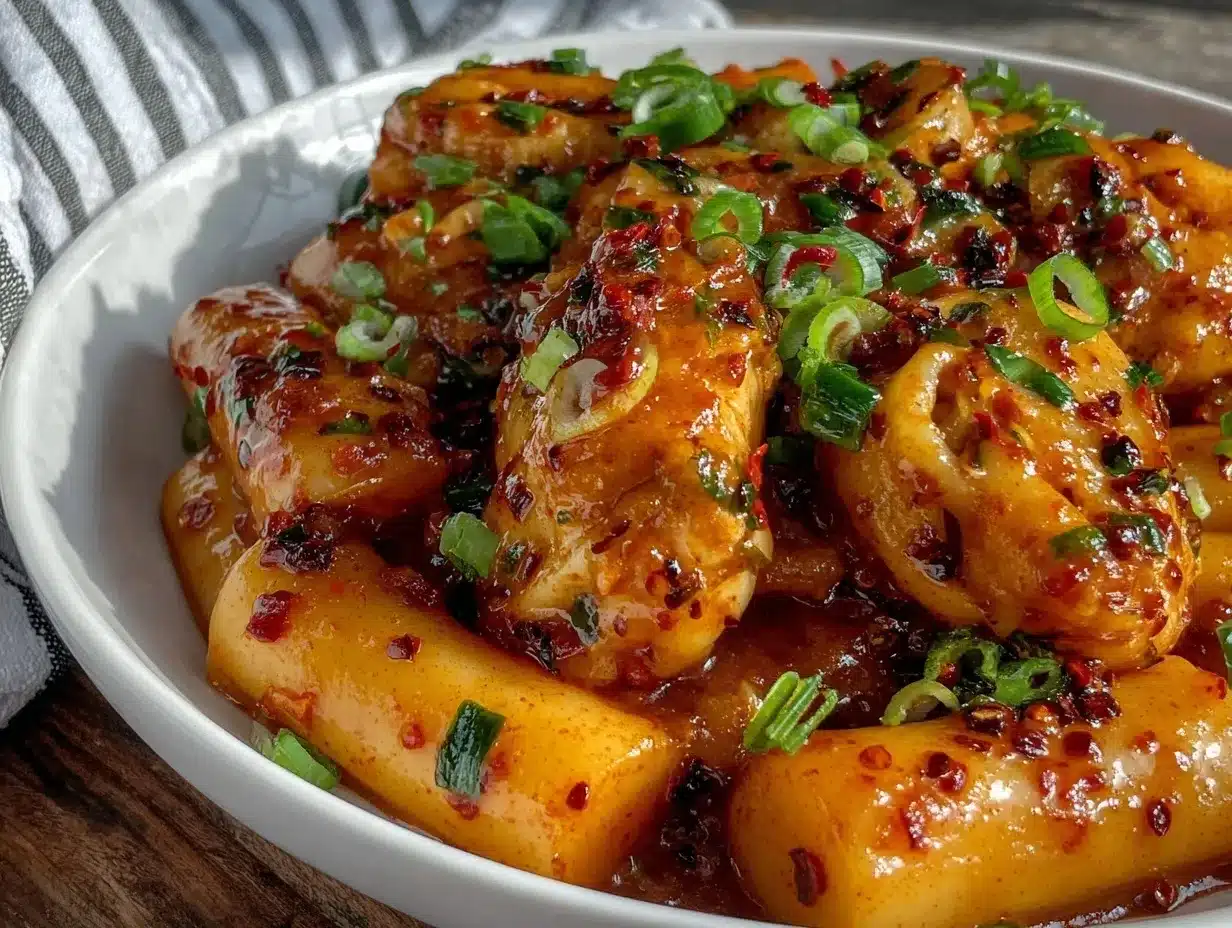
- Prepare the Rice Cakes: If using frozen rice cakes, soak them in warm water for about 10 minutes until soft. Drain well before cooking. Fresh rice cakes can be used straight from the package. (Time: 10 min if frozen)
- Mix the Sauce: In a small bowl, combine 3 tablespoons gochujang, 1 tablespoon gochugaru, 2 tablespoons soy sauce, 1 tablespoon sugar, and minced garlic. Stir until smooth and set aside. This sauce is your flavor powerhouse so make sure it’s well combined. (Time: 5 min)
- Heat Broth: Pour 1 cup (240 ml) of water or anchovy broth into your skillet and bring it to a gentle boil over medium heat.
- Add Sauce to Broth: Stir in your sauce mixture until it dissolves fully into the liquid. The broth will turn a glorious deep red. This is where the magic begins.
- Add Rice Cakes and Fish Cake: Add the softened rice cakes and sliced fish cake pieces to the skillet. Stir gently to coat everything evenly in the spicy sauce. Reduce heat to medium-low to keep a steady simmer. (Time: 15-20 min)
- Simmer and Stir: Let the rice cakes cook, stirring every 3-4 minutes to prevent sticking. The sauce will thicken and the rice cakes will become soft and chewy. Watch for the sauce to reach a sticky, glossy consistency—this usually happens around 15 minutes. If the sauce thickens too quickly or looks dry, add a splash of water to loosen it. (Tip: The rice cakes should be tender but still have a bit of bounce.)
- Add Scallions and Finish: When rice cakes are perfectly chewy and sauce is thickened, stir in sliced scallions and drizzle sesame oil. Give it one last gentle stir.
- Serve Immediately: Transfer to a warm plate or bowl, sprinkle sesame seeds on top and enjoy! Spicy tteokbokki is best eaten fresh and hot.
Cooking Tips & Techniques
When making spicy tteokbokki, timing is everything. Rice cakes cook quickly, so don’t walk away from the stove. Stirring regularly prevents them from sticking and helps the sauce coat each piece evenly. I learned the hard way that too high heat scorches the sauce fast, so keep it at medium to medium-low.
For that perfect chewy texture, soaking frozen rice cakes in warm water beforehand is a game-changer. Fresh rice cakes, however, need no prep and cook faster. If you want to control the heat, start with less gochujang and add more after tasting. This sauce has a good balance of spicy, sweet, and salty, but your taste buds might want a little tweak.
One pro tip: When your sauce thickens too much before the rice cakes are tender, add a bit of water or broth to bring it back. It’s better to adjust gradually than to have a dry, sticky mess. Finally, finish with sesame oil and fresh scallions—they add a fresh, nutty aroma that cuts through the heat beautifully.
Variations & Adaptations
- Vegetarian Version: Skip fish cakes and use vegetable broth instead of anchovy broth. Add mushrooms or tofu for extra texture.
- Cheesy Tteokbokki: Sprinkle shredded mozzarella on top and cover until melted for a creamy twist. This one’s a crowd favorite!
- Seafood Tteokbokki: Add shrimp, squid, or mussels during the simmering step for a briny flavor boost.
- Less Spicy: Reduce gochujang by half and omit gochugaru. Add a bit more sugar to maintain balance.
- Gluten-Free: Use tamari instead of soy sauce and check that gochujang is gluten-free (some brands add wheat). Fresh rice cakes are naturally gluten-free.
Personally, I love the cheesy version for a fun dinner treat, especially when I want to impress friends with minimal effort. Just add a handful of cheese near the very end, cover with a lid, and let it melt while the spicy sauce bubbles away. So good!
Serving & Storage Suggestions
Spicy tteokbokki is best served hot and fresh. I like to plate it in a shallow bowl, sprinkle toasted sesame seeds, and garnish with extra scallions for color. A cold glass of milk or lightly sweetened iced tea balances the heat perfectly.
You can store leftovers in an airtight container in the fridge for up to 2 days. When reheating, add a splash of water or broth and warm gently on the stove, stirring to loosen the sauce. Microwave works too, but watch out for uneven heating.
Fun fact: the flavors deepen the next day as the sauce soaks into the rice cakes, but the texture might firm up a bit. If that happens, a quick warm-up with a little liquid will bring the chewiness back.
Nutritional Information & Benefits
This spicy tteokbokki recipe is a comforting treat that packs a bit of spice and chewy carbs. One serving (about 1 cup) has approximately 300-350 calories, with moderate carbs primarily from the rice cakes.
Gochujang contains fermented ingredients, contributing probiotics that can aid digestion. Plus, garlic adds its well-known immune-boosting properties. Fish cake provides a bit of protein, while scallions add vitamins A and C.
Keep in mind this dish is naturally gluten-free if you choose the right soy sauce and rice cakes. It’s also low in fat, though the addition of sesame oil adds healthy fats and flavor depth. Perfect for a spicy snack or light meal that satisfies without weighing you down.
Conclusion
This spicy tteokbokki recipe is my go-to for a quick, delicious bite that feels like a warm hug with a spicy kick. It’s simple enough for a weeknight, yet impressive enough to share with friends who love bold flavors. I love how customizable it is—you can tweak the heat, add cheese, or throw in seafood to suit your mood.
If you try this recipe, I’d love to hear how you made it your own! Leave a comment below, share your tweaks, or ask questions. Trust me, once you nail this spicy tteokbokki, it’ll become a staple in your recipe rotation. Keep cooking, stay spicy, and enjoy every chewy, fiery bite!
FAQs about Spicy Tteokbokki
What kind of rice cakes should I use for tteokbokki?
Fresh or refrigerated cylindrical Korean rice cakes are best for chewy texture. If frozen, soak in warm water for 10 minutes before cooking.
Can I make tteokbokki less spicy?
Absolutely! Reduce the amount of gochujang and omit gochugaru. You can also add a bit more sugar to balance the flavor.
Is it okay to use water instead of anchovy broth?
Yes, water works fine and keeps it simple. Anchovy broth adds more depth and umami if you want that authentic taste.
How do I store leftover tteokbokki?
Store leftovers in an airtight container in the fridge for up to 2 days. Reheat gently on the stove with a splash of water to loosen the sauce.
Can I freeze tteokbokki?
It’s not recommended as freezing can change the texture of the rice cakes, making them hard and less chewy after thawing.
Pin This Recipe!
Spicy Tteokbokki Recipe Easy Homemade Korean Rice Cakes with Perfect Heat

A quick and easy homemade Korean spicy tteokbokki recipe featuring chewy rice cakes in a perfectly balanced spicy, sweet, and savory sauce. Ideal for a comforting snack or meal with customizable heat levels.
- Prep Time: 10 minutes (if using frozen rice cakes, otherwise 5 minutes)
- Cook Time: 20 minutes
- Total Time: 30 minutes
- Yield: 4 servings 1x
- Category: Main Course
- Cuisine: Korean
Ingredients
- 14 oz (400g) Korean Rice Cakes (tteok) – fresh or refrigerated, not frozen
- 3 tablespoons Gochujang (Korean chili paste)
- 1 tablespoon Gochugaru (Korean chili flakes) – optional
- 2 tablespoons Soy Sauce (low sodium recommended)
- 1 tablespoon Sugar (brown sugar preferred)
- 2 cloves Garlic, minced
- 1 cup (240 ml) Water or Anchovy Broth
- 2 stalks Scallions, sliced diagonally
- 3 oz (85g) Fish Cake, sliced (optional)
- 1 teaspoon Sesame Seeds
- 1 teaspoon Sesame Oil
Instructions
- If using frozen rice cakes, soak them in warm water for about 10 minutes until soft. Drain well before cooking. Fresh rice cakes can be used straight from the package.
- In a small bowl, combine 3 tablespoons gochujang, 1 tablespoon gochugaru, 2 tablespoons soy sauce, 1 tablespoon sugar, and minced garlic. Stir until smooth and set aside.
- Pour 1 cup (240 ml) of water or anchovy broth into a large non-stick skillet and bring it to a gentle boil over medium heat.
- Stir in the sauce mixture until it dissolves fully into the liquid, turning the broth a deep red color.
- Add the softened rice cakes and sliced fish cake pieces to the skillet. Stir gently to coat everything evenly in the spicy sauce. Reduce heat to medium-low to keep a steady simmer.
- Let the rice cakes cook, stirring every 3-4 minutes to prevent sticking. The sauce will thicken and the rice cakes will become soft and chewy, usually around 15 minutes. Add a splash of water if the sauce thickens too quickly or looks dry.
- When rice cakes are perfectly chewy and sauce is thickened, stir in sliced scallions and drizzle sesame oil. Give it one last gentle stir.
- Transfer to a warm plate or bowl, sprinkle sesame seeds on top and serve immediately.
Notes
Use fresh or refrigerated rice cakes for best chewiness; soak frozen rice cakes in warm water for 10 minutes before cooking. Stir frequently to prevent sticking and keep heat medium to medium-low to avoid scorching the sauce. Adjust spice level by reducing gochujang and omitting gochugaru if desired. Add water or broth if sauce thickens too quickly. Finish with sesame oil and scallions for aroma and freshness.
Nutrition
- Serving Size: About 1 cup per serv
- Calories: 325
- Sugar: 8
- Sodium: 700
- Fat: 6
- Saturated Fat: 1
- Carbohydrates: 60
- Fiber: 2
- Protein: 7
Keywords: spicy tteokbokki, Korean rice cakes, gochujang recipe, Korean street food, easy Korean recipe, spicy snack, tteokbokki sauce