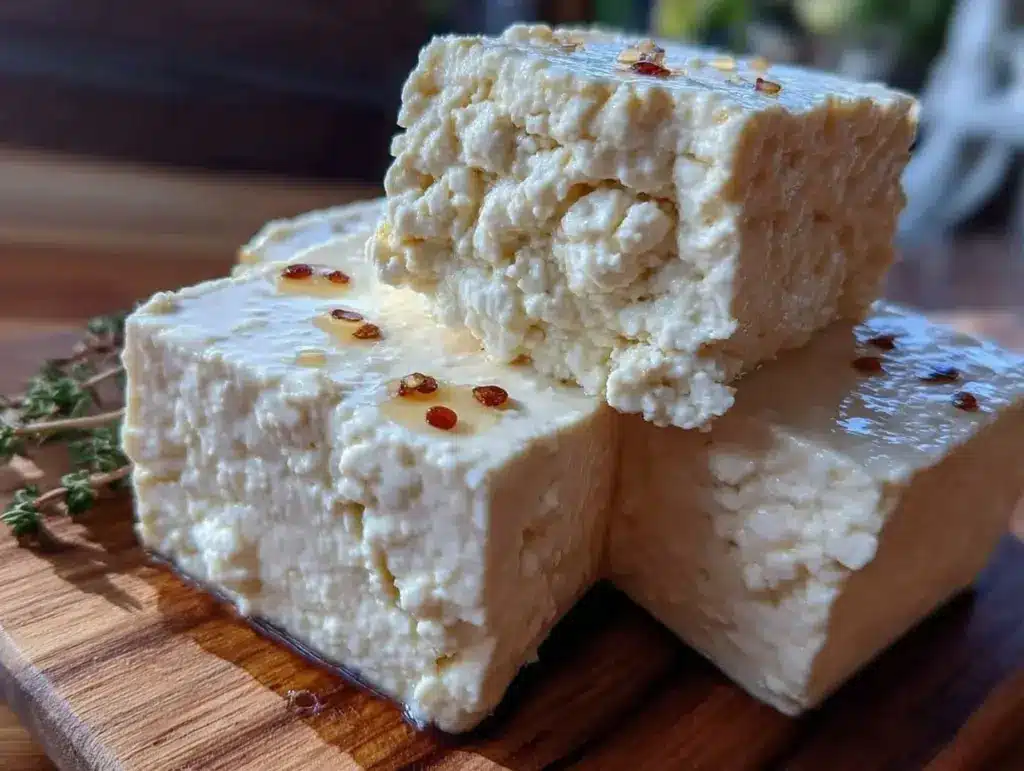
The first time I tried pressing tofu, I honestly didn’t expect much. But oh, the difference it makes! The smell of tofu sizzling in a hot pan, crisp on the outside yet tender inside, is something I crave regularly now. Pressing tofu is a simple step that transforms this humble soy block into a protein-packed superstar in countless dishes.
Tofu is notoriously tricky—it can be mushy or watery if you don’t handle it right. I first learned how to press tofu during a vegan cooking class, and after experimenting with several techniques at home, I’ve nailed down the easiest and most effective methods. If you’ve been puzzled about how to press tofu properly, this ultimate guide will get you there without fuss.
Whether you’re a weeknight cook or a meal prep enthusiast, knowing how to press tofu means better texture, richer flavor, and less sogginess in stir-fries, sandwiches, and salads. I’ve tested these three easy methods multiple times, and each one works like a charm depending on what tools you have handy. Ready to make perfect tofu every time? Let’s get pressing!
Why You’ll Love This Recipe
- Quick & Easy: Each pressing method takes under 30 minutes, perfect for busy cooks who want great texture fast.
- Simple Ingredients: No fancy gadgets needed—just tofu and common kitchen tools you already own.
- Versatile: Works for firm, extra-firm, or even silken tofu depending on your dish.
- Flavor Booster: Pressed tofu soaks up marinades better, making your meals truly pop.
- Healthier & Cleaner: Removing excess water means tofu holds less oil during cooking, making dishes lighter.
This guide isn’t just another tofu tutorial. It’s the result of lots of trial, error, and delicious success. I’ll share tips I picked up that help you avoid soggy tofu disasters and get that crave-worthy crisp exterior. Honestly, once you master pressing tofu, your plant-based recipes will never be the same—more satisfying and downright tasty.
Think of this as your go-to resource, whether you want the hassle-free quick press or prefer a hands-off slow method. Plus, I’ll cover how to adjust based on what you have at home. Let’s make tofu pressing a breeze!
What Ingredients You Will Need
Pressing tofu is all about removing moisture, so the “ingredients” are minimal but important. Here’s what you’ll need to get started with any of the methods:
- Firm or Extra-Firm Tofu: I recommend brands like Nasoya or House Foods for consistent texture. Avoid silken tofu for pressing—it’s too delicate and watery.
- Paper Towels or Clean Kitchen Towels: These help absorb moisture quickly. Use unbleached, thick paper towels or a lint-free cloth.
- Flat Surface: Like a cutting board or baking sheet to place under the tofu while pressing.
- Weight: This can be anything heavy and flat—cast iron skillet, heavy books wrapped in plastic, canned goods, or even a purpose-built tofu press.
- Optional: Plate or Tray: For the tofu press or DIY setups, to catch liquid and keep your countertop dry.
Depending on the method, you might also want a bowl to collect pressed liquid or a clean mesh bag to hold the tofu. Nothing too fancy—just basics you’ll find in most kitchens. If you’re feeling creative, swapping paper towels for reusable cloths is eco-friendly and works just as well.
Equipment Needed
- Tofu Press (Optional): Devices like the EZ Tofu Press or SimpleTaste Press make pressing hands-free and super easy. I’ve used both and found them a real time-saver.
- Cast Iron Skillet or Heavy Pan: Great for DIY pressing when paired with a cutting board and weights.
- Cutting Board or Plate: Provides a flat surface for pressing. Wooden or plastic boards both work fine.
- Kitchen Towels or Paper Towels: Absorb moisture during pressing. I prefer thick, absorbent towels for less waste.
- Heavy Books or Canned Goods: Perfect weights for pressing tofu without specialized tools.
If you’re on a budget, no worries—most of these tools are probably already in your kitchen or easy to improvise. And if you decide to invest in a tofu press, trust me, it’s a small gadget that pays off big time in convenience and cleaner counters.
Detailed Preparation Method
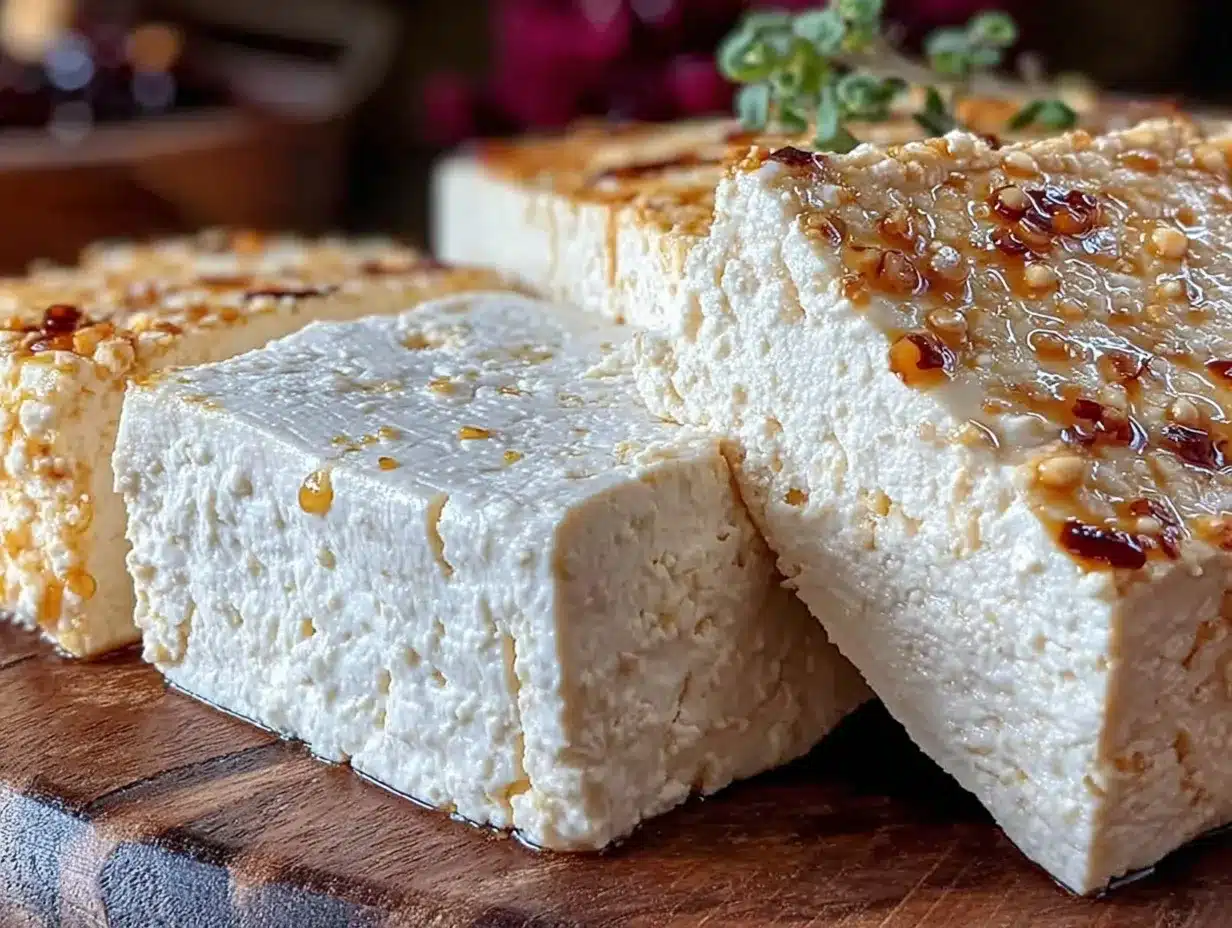
- Drain the tofu: Remove the tofu block from its package and pour off the excess water.
- Wrap the tofu: Place the tofu block between two clean kitchen towels or several layers of paper towels. This step is key to soaking up moisture.
- Choose your pressing method:
- Method 1 – Tofu Press: Place the wrapped tofu inside the press. Tighten the device according to the manufacturer’s instructions. Let it sit for 15-30 minutes.
- Method 2 – DIY Weight Press: Set the wrapped tofu on a cutting board or plate. Put another cutting board or flat plate on top. Place heavy items (cast iron skillet, heavy books wrapped in plastic, or canned goods) on top to press down gently. Let it sit for 20-30 minutes.
- Method 3 – Boiling Water & Press: For extra firmness, briefly pour boiling water over the tofu before pressing. This helps open the pores. Then proceed with wrapping and weighting as in method 2.
- Check periodically: If using paper towels, swap them out halfway if they become soaked. This helps press out more water.
- Remove the weight: After pressing, unwrap the tofu carefully. It should feel firmer and drier to the touch.
- Cut and use: Slice or cube your tofu for stir-fries, grilling, baking, or frying. Pressed tofu holds marinades better and crisps up nicely in the pan.
Pro tip: If you’re short on time, even a 10-minute press helps. But for best results, aim for at least 20 minutes. I sometimes prep tofu in the morning, press it while making breakfast, and cook later in the day—it gels perfectly with a busy schedule.
Cooking Tips & Techniques
- Don’t skip wrapping: You want the tofu snug in towels or paper to soak moisture, or you’ll just squeeze water around it.
- Apply even pressure: Uneven weight leads to soggy spots. Make sure your weight covers the tofu surface evenly.
- Swap towels if soggy: If paper towels saturate quickly, change them out halfway for maximum dryness.
- Use extra-firm tofu: It presses better and holds shape. Firm tofu works too but might need longer pressing.
- Marinate after pressing: Pressed tofu absorbs flavors like a sponge — give it at least 30 minutes in your favorite marinade for the best taste.
- Pan-fry on medium-high heat: Once pressed, tofu crisps up beautifully without sticking if your pan is hot enough.
From personal experience, I’ve learned that rushing pressing leads to disappointing texture. Patience here means the difference between limp tofu and that perfect crispy bite. Also, don’t be afraid to experiment with your weights—sometimes a heavy cookbook works better than a skillet, depending on your setup.
Variations & Adaptations
- Silken tofu for sauces: Not for pressing, but blend silken tofu for creamy dressings or smoothies instead.
- Freezing then pressing: Freeze tofu overnight, thaw, then press. This creates a chewier, sponge-like texture great for stews and BBQ dishes.
- Microwave pressing: Wrap tofu and heat in the microwave for 1-2 minutes on high before pressing. This helps expel liquid faster.
- Low-sodium tofu: Use if watching salt intake; pressing still works great.
- Allergen-friendly: For soy allergies, try pressing and cooking tempeh or seitan instead—though the technique varies.
Once, I tried pressing tofu with a stack of heavy ceramic plates instead of a skillet—worked like a charm! The key is even pressure and patience. Feel free to adapt based on your pantry and preferences.
Serving & Storage Suggestions
Pressed tofu is incredibly versatile. Serve it hot right out of the pan for the best crispness, or toss it cold into salads and grain bowls for a protein boost. It pairs wonderfully with tangy sauces, spicy dips, or just a sprinkle of flaky sea salt.
Store unused pressed tofu in an airtight container in the fridge for up to 3-4 days. Keep it covered with fresh water and change the water daily to maintain freshness. For longer storage, you can freeze cooked tofu—just note it might lose some crispness after thawing.
Reheat tofu gently in a skillet or oven to keep that crispy texture intact. Avoid microwaving if you want it crunchy; it tends to soften the exterior.
Flavors deepen if tofu marinates overnight after pressing, so prepping ahead is a great strategy for busy weeknights.
Nutritional Information & Benefits
Pressed tofu is a low-calorie, high-protein ingredient packed with iron, calcium, and essential amino acids. By pressing out excess water, you concentrate the nutrients and improve texture without added fat.
Each 100g serving of firm tofu provides about 70-80 calories, 8-10 grams of protein, and minimal carbs. It’s naturally gluten-free, dairy-free, and vegan, making it a great fit for many diets.
From a wellness standpoint, tofu’s isoflavones support heart health and bone strength, while its plant protein aids muscle recovery. Pressing tofu also helps you cook with less oil, making dishes lighter and easier to digest.
Conclusion
Knowing how to press tofu is a game-changer for anyone who loves plant-based cooking or just wants better texture in their meals. These three easy methods cover everything from quick DIY to hands-off gadget pressing, so you can pick what fits your style.
I’ve fallen in love with tofu all over again thanks to pressing—it’s the secret behind those crispy, flavorful bites that make every dish feel special. Give it a try, tweak the techniques to your liking, and watch your tofu dishes reach new heights.
Got your own pressing hacks or questions? I’d love to hear your stories, so drop a comment below and share your tofu triumphs!
Happy pressing and even happier eating!
FAQs
How long should I press tofu for the best results?
Typically, 20-30 minutes is ideal. Shorter pressing (10-15 minutes) works in a pinch but might leave more moisture.
Can I press silken tofu?
Silken tofu is too delicate for pressing and will likely fall apart. It’s better used in smoothies, dressings, or soups.
Do I need a tofu press?
Nope! A DIY setup with a cutting board and heavy objects works just fine and yields great results.
What if I don’t press tofu—will it still cook okay?
You can cook unpressed tofu, but it tends to be soggier and less crispy. Pressing improves texture and flavor absorption.
Can I press frozen tofu?
Yes! Freeze first, thaw completely, then press. This changes texture to be chewier and more porous, perfect for hearty dishes.
Pin This Recipe!
Ultimate How to Press Tofu Guide 3 Easy Methods for Perfect Tofu Every Time

This guide teaches three easy and effective methods to press tofu for better texture, richer flavor, and less sogginess, perfect for stir-fries, sandwiches, and salads.
- Prep Time: 5 minutes
- Cook Time: 0 minutes
- Total Time: 20-30 minutes
- Yield: 1 block of tofu (serves 2-4 depending on dish)
- Category: Preparation Technique
- Cuisine: Plant-Based, Vegan
Ingredients
- Firm or Extra-Firm Tofu (avoid silken tofu for pressing)
- Paper Towels or Clean Kitchen Towels (unbleached, thick or lint-free cloth)
- Flat Surface (cutting board or baking sheet)
- Weight (cast iron skillet, heavy books wrapped in plastic, canned goods, or tofu press)
- Optional: Plate or Tray (to catch liquid and keep countertop dry)
Instructions
- Drain the tofu: Remove the tofu block from its package and pour off the excess water.
- Wrap the tofu: Place the tofu block between two clean kitchen towels or several layers of paper towels to soak up moisture.
- Choose your pressing method:
- Method 1 – Tofu Press: Place the wrapped tofu inside the press. Tighten the device according to the manufacturer’s instructions. Let it sit for 15-30 minutes.
- Method 2 – DIY Weight Press: Set the wrapped tofu on a cutting board or plate. Put another cutting board or flat plate on top. Place heavy items (cast iron skillet, heavy books wrapped in plastic, or canned goods) on top to press down gently. Let it sit for 20-30 minutes.
- Method 3 – Boiling Water & Press: Briefly pour boiling water over the tofu before pressing to open the pores. Then proceed with wrapping and weighting as in method 2.
- Check periodically: If using paper towels, swap them out halfway if they become soaked to press out more water.
- Remove the weight: After pressing, unwrap the tofu carefully. It should feel firmer and drier to the touch.
- Cut and use: Slice or cube your tofu for stir-fries, grilling, baking, or frying. Pressed tofu holds marinades better and crisps up nicely in the pan.
Notes
If short on time, pressing for 10 minutes helps but 20-30 minutes is ideal. Swap out soaked towels halfway for better moisture removal. Use extra-firm tofu for best results. Pressed tofu absorbs marinades better and crisps up nicely when pan-fried on medium-high heat. Store unused pressed tofu in an airtight container covered with fresh water in the fridge for 3-4 days, changing water daily.
Nutrition
- Serving Size: Approximately 100g p
- Calories: 75
- Sugar: 0.5
- Sodium: 10
- Fat: 4.5
- Saturated Fat: 0.5
- Carbohydrates: 2
- Fiber: 1
- Protein: 9
Keywords: tofu pressing, how to press tofu, tofu texture, vegan cooking, tofu marinade, tofu crisp