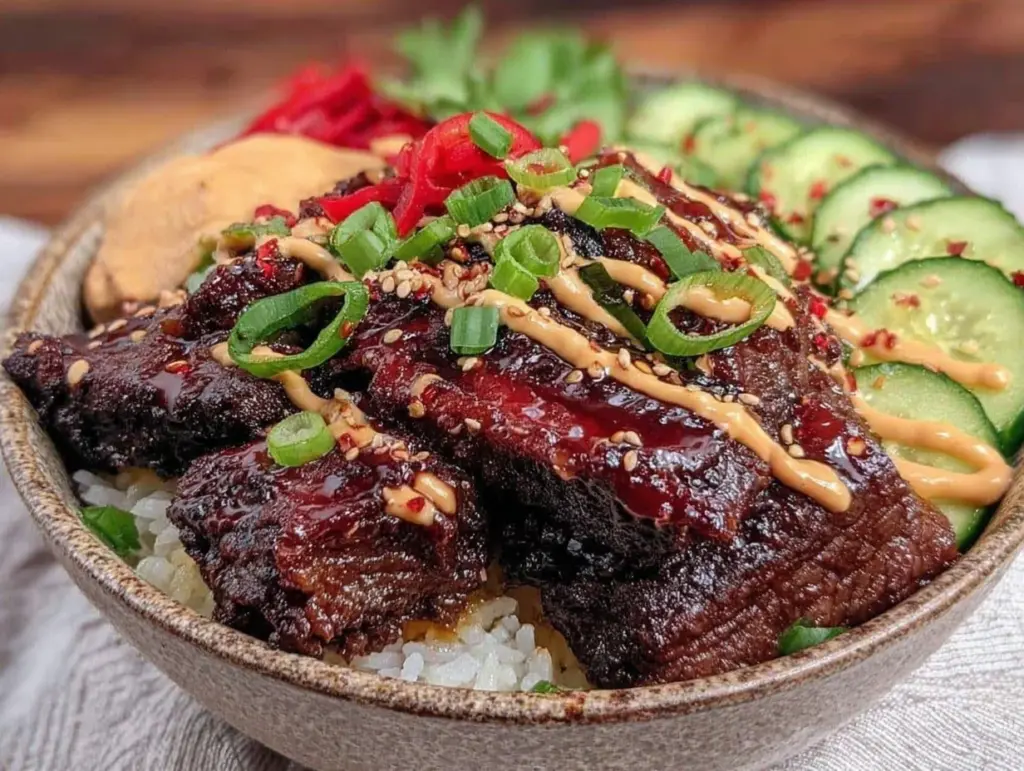
There was this one evening when I was juggling a million things—emails, a half-packed suitcase, and a grumbling stomach that honestly felt like it had its own agenda. I needed something quick, satisfying, and a little bit special, but I wasn’t exactly in the mood to spend hours in the kitchen. That’s when I stumbled upon the idea for this flavorful Korean beef bowl with creamy gochujang mayo. It wasn’t planned, and honestly, I was a bit skeptical about mixing that spicy, fermented pepper paste with mayo. But curiosity won.
As I cooked, the kitchen filled with this rich, savory aroma that somehow balanced sweet, salty, and spicy notes all at once. The beef sizzled in the pan, caramelizing just right, while the creamy gochujang mayo added a cool punch that pulled everything together. Sitting down to eat it, I realized I’d accidentally created a new favorite. It’s the kind of dish that feels like a warm hug after a chaotic day—a perfect balance of bold flavors without any fuss.
This recipe stuck with me not just because it’s delicious, but because it’s reliable comfort food that’s ready in a flash. You know those meals that make you pause mid-bite and think, “Yeah, this hits the spot”? That’s exactly what this Korean beef bowl does. It’s got soul and spice in every mouthful, with a creamy twist that keeps things interesting. No frills, no long ingredient lists—just honest, flavorful food with a bit of kick. That quiet moment of satisfaction is why I keep coming back to it.
Why You’ll Love This Recipe
- Quick & Easy: Comes together in under 30 minutes, making it perfect for busy weeknights or those last-minute dinner plans when you’re wiped out.
- Simple Ingredients: Uses everyday pantry staples and fresh ingredients you can find in any grocery store—no exotic shopping trips needed.
- Perfect for Casual Gatherings: Great for casual dinners, meal prep, or impressing friends with minimal effort.
- Crowd-Pleaser: The balance of sweet, spicy, and creamy flavors gets rave reviews from both kids and adults alike—trust me, it disappears fast.
- Unbelievably Delicious: The combination of tender, caramelized beef and the creamy gochujang mayo delivers a rich texture and bold flavor that feels indulgent but is surprisingly light.
- Unique Twist: This isn’t just another beef bowl. The creamy gochujang mayo adds a luscious, spicy-sour note that sets it apart from the usual soy-sauce-heavy recipes.
- Emotionally satisfying: It’s the kind of meal that comforts you, making you feel cozy and nourished—perfect for resetting after a hectic day or just treating yourself.
What Ingredients You Will Need
This recipe uses simple, wholesome ingredients to pack in bold flavor and satisfying texture without any complicated prep. Most of these are pantry staples or easy-to-find fresh produce, making it a breeze to put together.
- Ground beef (85% lean): About 1 pound (450 g) for the perfect balance of flavor and fat to keep the beef juicy.
- Soy sauce: 3 tablespoons for that salty umami base. I like Kikkoman for consistent flavor.
- Brown sugar: 2 tablespoons to add a subtle sweetness that helps caramelize the beef.
- Garlic: 3 cloves, minced—fresh is best for that punchy aroma.
- Ginger: 1 teaspoon, freshly grated for a little zing.
- Sesame oil: 1 tablespoon to bring the signature nutty aroma to the dish.
- Green onions: 2 stalks, thinly sliced for freshness and crunch.
- Cooked rice: 4 cups (about 800 g) — jasmine or short grain work well as the base.
- Gochujang (Korean chili paste): 2 tablespoons for spicy depth in the mayo.
- Mayonnaise: 1/4 cup (about 60 ml), preferably a smooth, neutral variety like Hellmann’s.
- Rice vinegar: 1 teaspoon to brighten the gochujang mayo.
- Optional toppings: Toasted sesame seeds, sliced cucumbers, shredded carrots, or kimchi for an extra punch.
If you want to swap things up, almond flour works fine if you want a gluten-free soy sauce option (just check the label). For a dairy-free mayo, coconut or avocado-based spreads are decent substitutes, though the flavor will shift slightly. And if fresh ginger isn’t handy, a pinch of ground ginger will do in a pinch.
Equipment Needed
- Large skillet or frying pan: For cooking the beef evenly; a non-stick pan works great to avoid sticking.
- Mixing bowls: At least one for combining the gochujang mayo sauce and another for prepping ingredients.
- Measuring spoons: Essential for precise seasoning—soy sauce and gochujang especially benefit from accurate amounts.
- Sharp knife and cutting board: For mincing garlic, ginger, and slicing green onions.
- Rice cooker or pot: To prepare the rice; a rice cooker makes life easier but a pot with a tight lid works just fine.
- Small whisk or fork: For blending the gochujang mayo smoothly.
Personally, I’ve found that a cast iron skillet really amps up the caramelization on the beef, but if you don’t have one, a heavy-bottomed non-stick pan will be your best bet. For those on a budget, a basic stainless steel pan and a simple rice cooker can handle this recipe without a hitch. Just be sure to keep your knives sharp—that minced garlic and ginger will taste so much better when cut cleanly.
Preparation Method
- Cook the rice: Begin by cooking 4 cups (800 g) of jasmine or short-grain rice according to package instructions. This usually takes about 15-20 minutes. Set aside and keep warm.
- Prepare the gochujang mayo: In a small bowl, mix 1/4 cup (60 ml) mayonnaise, 2 tablespoons gochujang, and 1 teaspoon rice vinegar. Whisk until smooth and creamy. Taste and adjust for heat or tanginess if needed. Set aside in the fridge while you cook the beef.
- Mix the sauce for the beef: In a separate bowl, combine 3 tablespoons soy sauce, 2 tablespoons brown sugar, minced garlic (3 cloves), freshly grated ginger (1 teaspoon), and 1 tablespoon sesame oil. Stir well to dissolve the sugar.
- Cook the beef: Heat a large skillet over medium-high heat. Once hot, add 1 pound (450 g) of ground beef. Break it apart with a spatula and cook for about 5-7 minutes, until it starts to brown and crisp at the edges.
- Add the sauce: Pour the soy sauce mixture over the beef. Stir to coat evenly. Continue cooking for another 3-5 minutes, allowing the sauce to thicken and caramelize slightly. You’ll know it’s ready when the beef is glossy and fragrant, with a deep brown color.
- Finish with green onions: Stir in 2 thinly sliced green onions just before removing the pan from heat, reserving a few for garnish if you like.
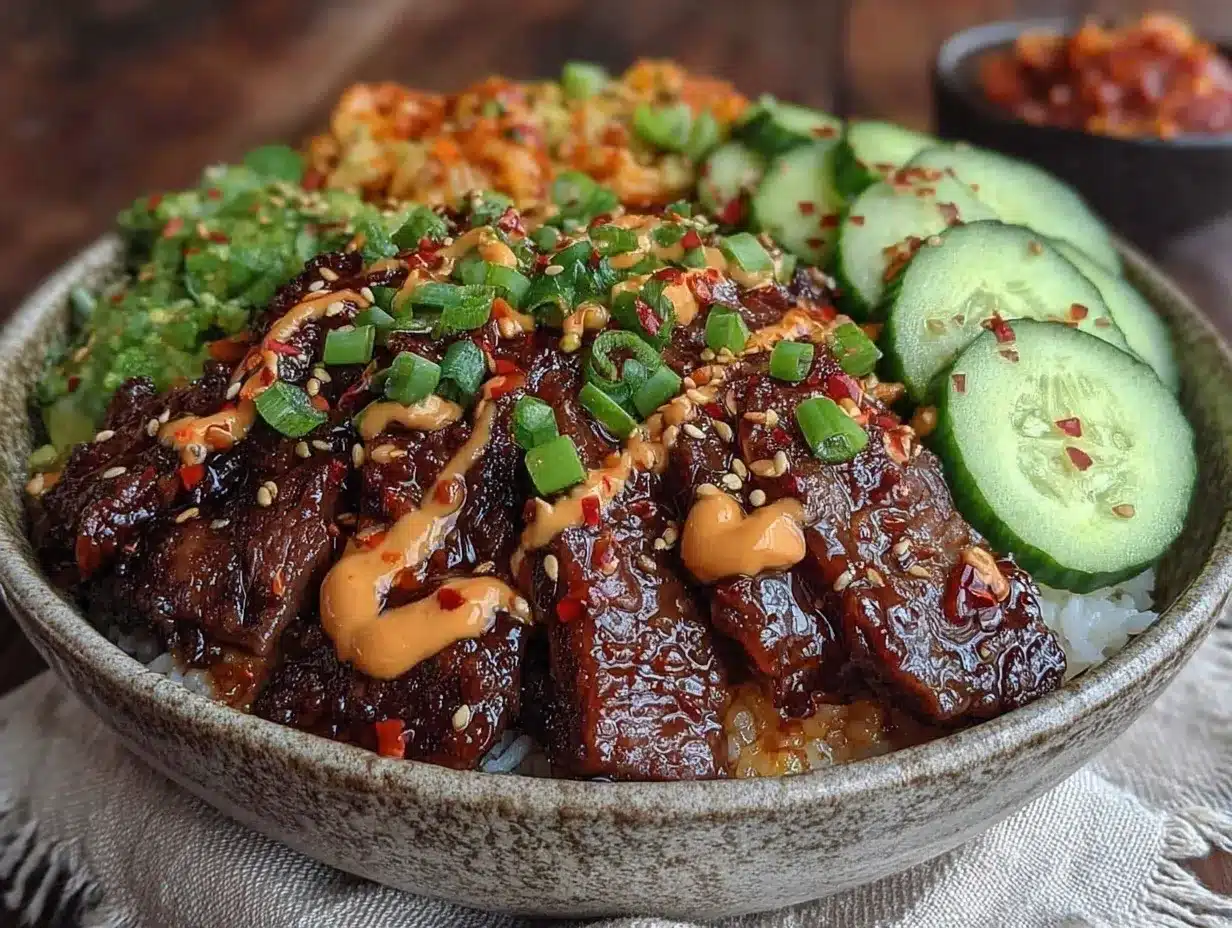
- Assemble the bowl: Spoon warm rice into bowls, top generously with the flavorful Korean beef, and drizzle with the creamy gochujang mayo. Add optional toppings like toasted sesame seeds, sliced cucumber, shredded carrots, or kimchi for extra texture and flavor.
- Serve immediately: This dish is best enjoyed fresh, while the beef is juicy and the mayo is cool and creamy. It’s a beautiful balance of warm and spicy, creamy and crunchy.
Pro tip: If your pan starts to dry out during cooking, splash in a little water or broth to keep the beef moist and prevent burning. And don’t rush the caramelization—it’s where the magic happens. You want those browned bits for that unmistakable flavor punch.
Cooking Tips & Techniques
One of the trickiest parts of making a great Korean beef bowl is getting the sauce and beef ratio just right. Too much sauce, and it turns watery; too little, and it can feel dry. I’ve learned to add the soy sauce mixture gradually and watch closely as it reduces. Patience here pays off big time.
When browning the beef, make sure your pan is hot enough before adding the meat. A sizzling pan helps develop those caramelized edges that give the dish its deep flavor. Also, don’t overcrowd the pan—if needed, cook in batches to get that nice sear rather than steaming the meat.
Another tip is to prep the gochujang mayo ahead of time and chill it. This lets the flavors marry and gives you a creamy texture that contrasts beautifully with the warm beef. I once tried mixing it straight onto the beef, and honestly, it lost that cooling effect that makes the dish so special.
Finally, multitasking is key. While the rice cooks, you can mix your sauces and prep veggies, so everything comes together quickly. Trust me, having all ingredients ready before you start cooking makes the process smoother and more enjoyable.
Variations & Adaptations
This Korean beef bowl can be easily customized depending on your preferences or dietary needs. Here are a few ideas I’ve tried and loved:
- Vegetarian version: Swap ground beef for crumbled tofu or tempeh. Season with the same sauce, and pan-fry until golden for a plant-based twist.
- Low-carb adaptation: Serve the beef over cauliflower rice or sautéed greens instead of traditional rice.
- Extra spicy: Add a teaspoon of chili flakes or more gochujang to the mayo for a fiery kick.
- Seasonal veggies: In spring and summer, I like to add fresh cucumber ribbons and radish slices for crunch. In fall, roasted sweet potatoes or kimchi make a great accompaniment.
- Different proteins: Ground chicken or turkey also work well. Just adjust cooking time as needed.
Personally, I once made this bowl with leftover grilled bulgogi beef, and it turned out even better—the smoky notes added another layer of flavor that complemented the creamy mayo perfectly. So don’t hesitate to experiment!
Serving & Storage Suggestions
This Korean beef bowl is best served warm, right after assembling. The creamy gochujang mayo tastes heavenly when fresh and cool against the warm, savory beef. For presentation, garnish with a sprinkle of toasted sesame seeds and a few extra green onions. It also pairs wonderfully with a cold cucumber salad or a simple miso soup for a fuller meal.
If you have leftovers, store the beef and rice separately in airtight containers in the refrigerator. They keep well for up to 3 days. The gochujang mayo should also be kept chilled and added fresh when serving again to maintain its texture and flavor.
To reheat, gently warm the beef in a skillet over medium heat, adding a splash of water if it feels dry. Microwave the rice covered for about 1-2 minutes until hot. Assemble your bowl and finish with fresh gochujang mayo and toppings for the best experience. Over time, the flavors deepen, but the mayo works best fresh.
Nutritional Information & Benefits
This dish offers a good balance of protein, carbs, and fats, making it a satisfying meal that keeps you energized. A typical serving provides approximately 550-600 calories, with about 30 grams of protein, depending on the beef’s fat content.
Key ingredients like garlic and ginger offer natural anti-inflammatory benefits, while sesame oil adds healthy fats and a rich flavor profile. Gochujang, made from fermented chili peppers, introduces probiotics and vitamins, which add a nutritional boost beyond just taste.
This recipe is naturally gluten-free if you use tamari or gluten-free soy sauce, and can be easily adapted for low-carb or vegetarian diets. Note that mayonnaise contains eggs, so it’s not vegan unless substituted with vegan mayo.
Conclusion
This flavorful Korean beef bowl with creamy gochujang mayo is one of those recipes that manages to feel both special and incredibly approachable. It’s quick to make, uses simple ingredients, and delivers a satisfying mix of spicy, sweet, and savory notes that keep you coming back for more. I love how it brings a little excitement to the dinner table without any extra hassle.
Feel free to tweak the spice level or switch up the toppings to suit your mood or what’s in your fridge. The real beauty is how forgiving and adaptable this recipe is, allowing you to make it your own without losing that signature flavor.
If you give it a try, I’d love to hear how you customize it or what toppings you add. Sharing your versions always makes the kitchen feel a little more connected. Remember, cooking should be fun and a little messy sometimes—that’s where the magic lives.
FAQs
Can I use a different cut of beef for this recipe?
Yes! Ground chuck or sirloin works best for flavor and juiciness, but you can also use thinly sliced beef if you prefer. Adjust the cooking time accordingly.
Is gochujang very spicy?
Gochujang has moderate heat with a slightly sweet and fermented flavor. If you’re sensitive to spice, start with less and add more to taste.
How long can I store the leftover gochujang mayo?
Keep it refrigerated in an airtight container for up to one week. Stir well before using as it might separate slightly.
Can I prepare this recipe in advance?
You can cook the beef and rice ahead of time and store them separately. Assemble the bowls and add the mayo right before serving for the best texture and flavor.
What are good side dishes to serve with this Korean beef bowl?
Simple sides like steamed or pickled vegetables, kimchi, or a light cucumber salad complement the rich flavors nicely without overwhelming the palate.
Pin This Recipe!
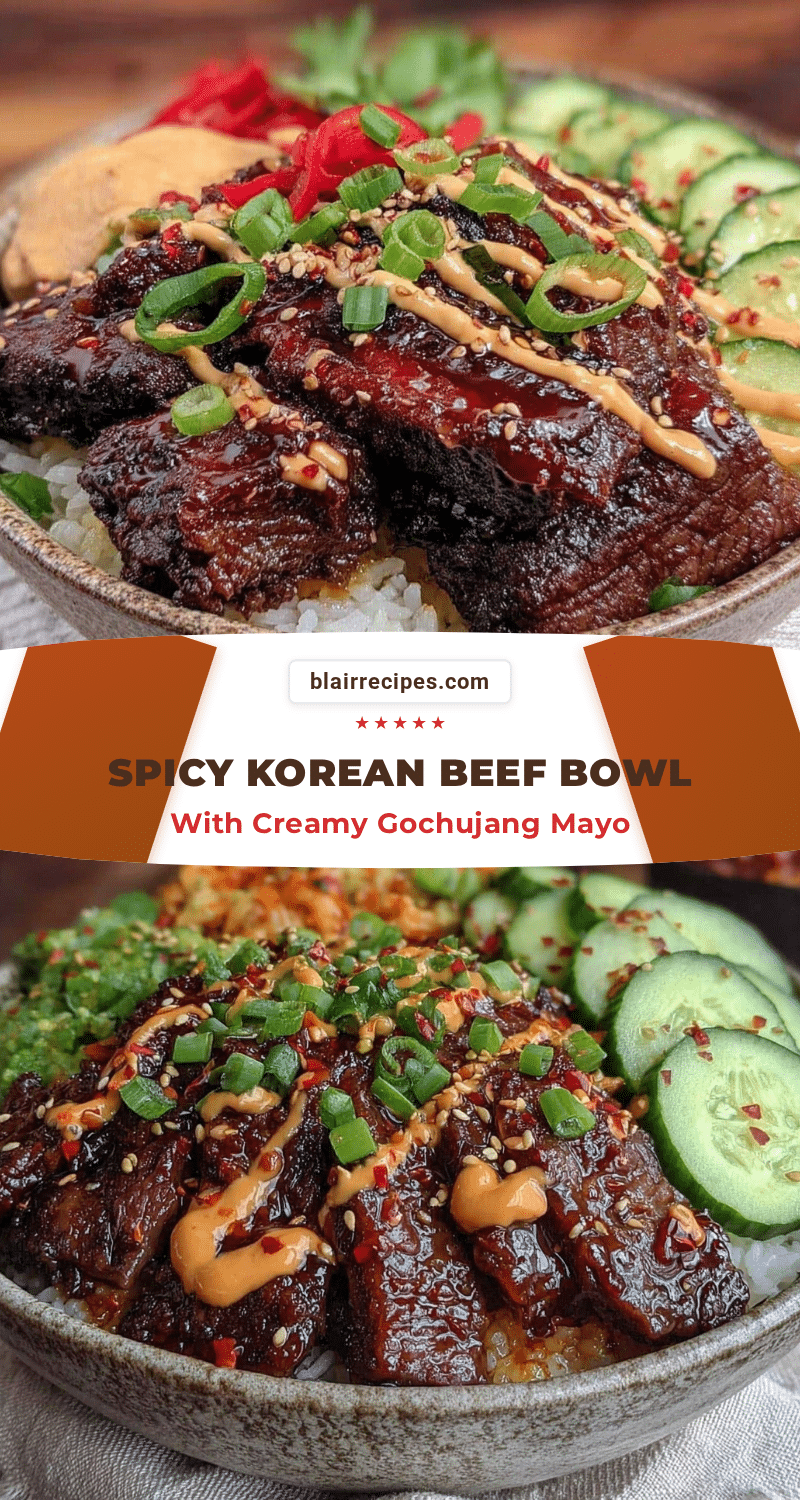
Flavorful Korean Beef Bowl Recipe with Easy Creamy Gochujang Mayo

A quick and satisfying Korean beef bowl featuring caramelized ground beef and a creamy, spicy gochujang mayo. Perfect for busy weeknights and casual gatherings.
- Prep Time: 10 minutes
- Cook Time: 20 minutes
- Total Time: 30 minutes
- Yield: 4 servings 1x
- Category: Main Course
- Cuisine: Korean
Ingredients
- 1 pound (450 g) ground beef (85% lean)
- 3 tablespoons soy sauce
- 2 tablespoons brown sugar
- 3 cloves garlic, minced
- 1 teaspoon freshly grated ginger
- 1 tablespoon sesame oil
- 2 stalks green onions, thinly sliced
- 4 cups cooked jasmine or short-grain rice (about 800 g)
- 2 tablespoons gochujang (Korean chili paste)
- 1/4 cup (60 ml) mayonnaise
- 1 teaspoon rice vinegar
- Optional toppings: toasted sesame seeds, sliced cucumbers, shredded carrots, kimchi
Instructions
- Cook 4 cups (800 g) of jasmine or short-grain rice according to package instructions (about 15-20 minutes). Set aside and keep warm.
- In a small bowl, mix 1/4 cup (60 ml) mayonnaise, 2 tablespoons gochujang, and 1 teaspoon rice vinegar. Whisk until smooth and creamy. Chill in the fridge while cooking the beef.
- In a separate bowl, combine 3 tablespoons soy sauce, 2 tablespoons brown sugar, minced garlic, grated ginger, and 1 tablespoon sesame oil. Stir well to dissolve the sugar.
- Heat a large skillet over medium-high heat. Add 1 pound (450 g) ground beef and break apart with a spatula. Cook for 5-7 minutes until browned and crisp at the edges.
- Pour the soy sauce mixture over the beef. Stir to coat evenly and cook for another 3-5 minutes until the sauce thickens and caramelizes.
- Stir in 2 thinly sliced green onions just before removing the pan from heat, reserving some for garnish if desired.
- Assemble bowls by spooning warm rice, topping with the Korean beef, and drizzling with creamy gochujang mayo. Add optional toppings as desired.
- Serve immediately while beef is juicy and mayo is cool and creamy.
Notes
If pan dries out during cooking, add a splash of water or broth to keep beef moist. Do not rush caramelization for best flavor. Prepare gochujang mayo ahead and chill for best texture. Cook beef in batches if pan overcrowded.
Nutrition
- Serving Size: 1 bowl (approximatel
- Calories: 575
- Sugar: 10
- Sodium: 900
- Fat: 35
- Saturated Fat: 7
- Carbohydrates: 45
- Fiber: 2
- Protein: 30
Keywords: Korean beef bowl, gochujang mayo, quick dinner, easy recipe, ground beef, spicy mayo, weeknight meal