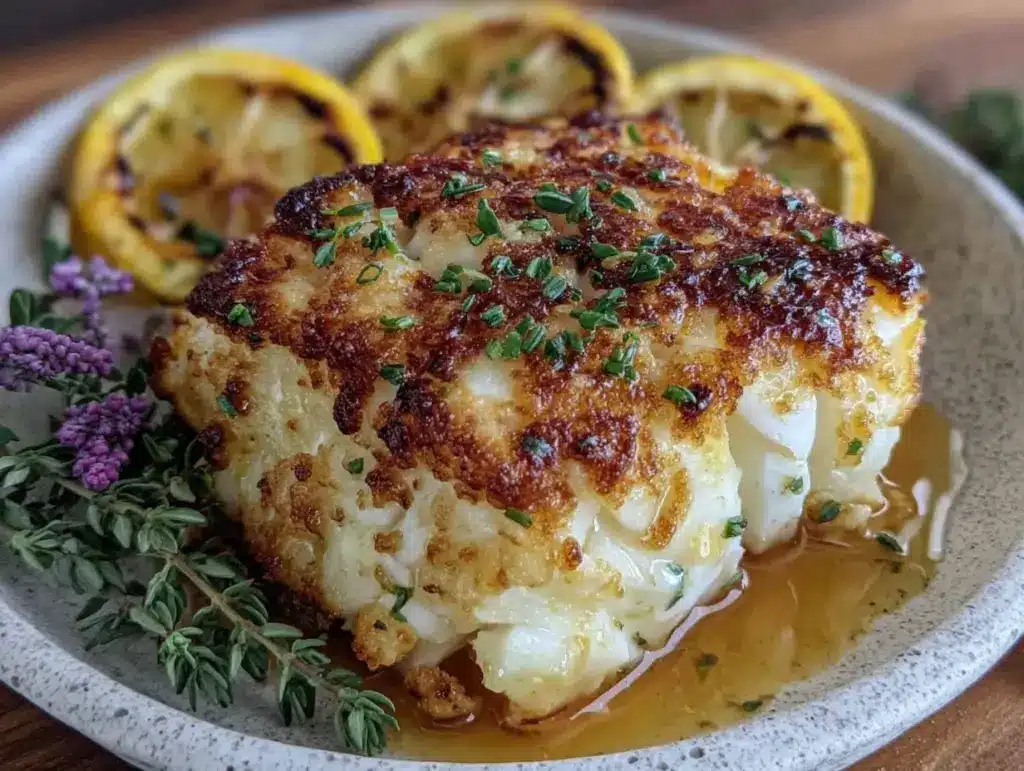
The moment that golden crust hits the hot skillet, and the aroma of sizzling halibut fills the kitchen, you know you’re in for a treat. I first tried pan-seared halibut with lemon butter on a summer evening when fresh halibut was at its peak in the market. Honestly, it was love at first bite. The tangy, buttery sauce perfectly complemented the mild, flaky fish, and it quickly became one of my go-to recipes for dinner parties and cozy nights alike.
What I love about this pan-seared halibut with lemon butter is how it balances simplicity and elegance. It’s straightforward enough for a weeknight dinner but impressive enough to wow guests without stress. After making this dish a dozen times or more, tweaking the lemon butter sauce and perfecting the sear, I can confidently say it’s a recipe that delivers on flavor and texture every single time.
If you’re searching for a dinner that’s light, fresh, and bursting with flavor, this pan-seared halibut with lemon butter fits the bill. Whether you’re a seafood enthusiast or just looking to try something new, this recipe is your ticket to a memorable meal with minimal fuss.
Why You’ll Love This Pan-Seared Halibut with Lemon Butter Recipe
- Quick & Easy: Ready in about 25 minutes, perfect for busy evenings or unexpected guests.
- Simple Ingredients: You probably have most of these in your pantry or fridge—no complicated shopping trips needed.
- Perfect for Special Occasions: Whether it’s a date night, Sunday dinner, or holiday feast, this dish shines every time.
- Crowd-Pleaser: Mild yet flavorful halibut and the tangy lemon butter sauce win over both kids and adults.
- Unbelievably Delicious: The crispy sear on the outside contrasts beautifully with the tender, flaky inside, all tied together with a zesty buttery finish.
This pan-seared halibut with lemon butter stands out because of the way the fish is treated—seasoned just right and seared to a perfect crust that locks in moisture. The lemon butter sauce is gently whipped up at the end, balancing bright citrus notes with rich creaminess, making it a simple yet luxurious touch. Honestly, this isn’t just any fish dinner—it’s the kind that makes you close your eyes and smile after the first bite.
Cooking this recipe has become a little ritual for me when I want something comforting but also light and fresh. The method is foolproof, and after a few tries, you’ll nail it every time, guaranteed.
What Ingredients You Will Need
This recipe uses straightforward ingredients that come together to create bold flavor and perfect texture without any fuss. Everything here is easy to find and mostly pantry staples—no need for fancy specialty items.
- Halibut Fillets – 4 fillets, about 6 ounces (170 grams) each, skinless and patted dry (fresh or thawed works best)
- Salt and Pepper – to season the fish generously
- Olive Oil – 2 tablespoons (I prefer extra virgin for its flavor)
- Unsalted Butter – 3 tablespoons, divided (adds richness and creaminess)
- Fresh Lemon Juice – juice of 1 large lemon (about 3 tablespoons), for bright tang
- Lemon Zest – from 1 lemon, finely grated (boosts citrus flavor)
- Garlic – 2 cloves, minced (fresh is best for punchy flavor)
- Fresh Parsley – 2 tablespoons, chopped (for a fresh, herbaceous finish)
- White Wine or Chicken Broth – 1/4 cup (60 ml), optional for deglazing pan and adding depth
If you want to switch things up, feel free to swap olive oil with avocado oil for a higher smoke point or use ghee instead of butter if you’re dairy-free. For a lower-sodium option, reduce salt and enhance flavor with extra lemon zest and fresh herbs. I often recommend using firm, fresh halibut for the best results—frozen is fine but make sure it’s thoroughly thawed and patted dry to get that crispy sear.
Equipment Needed
- Non-stick or Stainless Steel Skillet: A 10- or 12-inch skillet works perfectly for searing the halibut. I’ve found stainless steel gives the best crust, but non-stick helps if you’re a beginner.
- Tongs or Fish Spatula: Essential for flipping the fillets gently without breaking them apart.
- Microplane Zester: For zesting the lemon finely, but a box grater’s fine side works too.
- Measuring Spoons and Cups: For precise lemon juice and butter measurements.
- Small Mixing Bowl: To mix the lemon butter sauce quickly.
If you don’t have a fish spatula, a thin, flexible regular spatula can do the job—just be gentle! I’ve used cast iron skillets too, but they require extra seasoning and care to prevent sticking. If you’re on a budget, a well-seasoned non-stick pan is a great place to start. Also, keep your skillet well-oiled to maintain its lifespan and prevent sticking.
Preparation Method
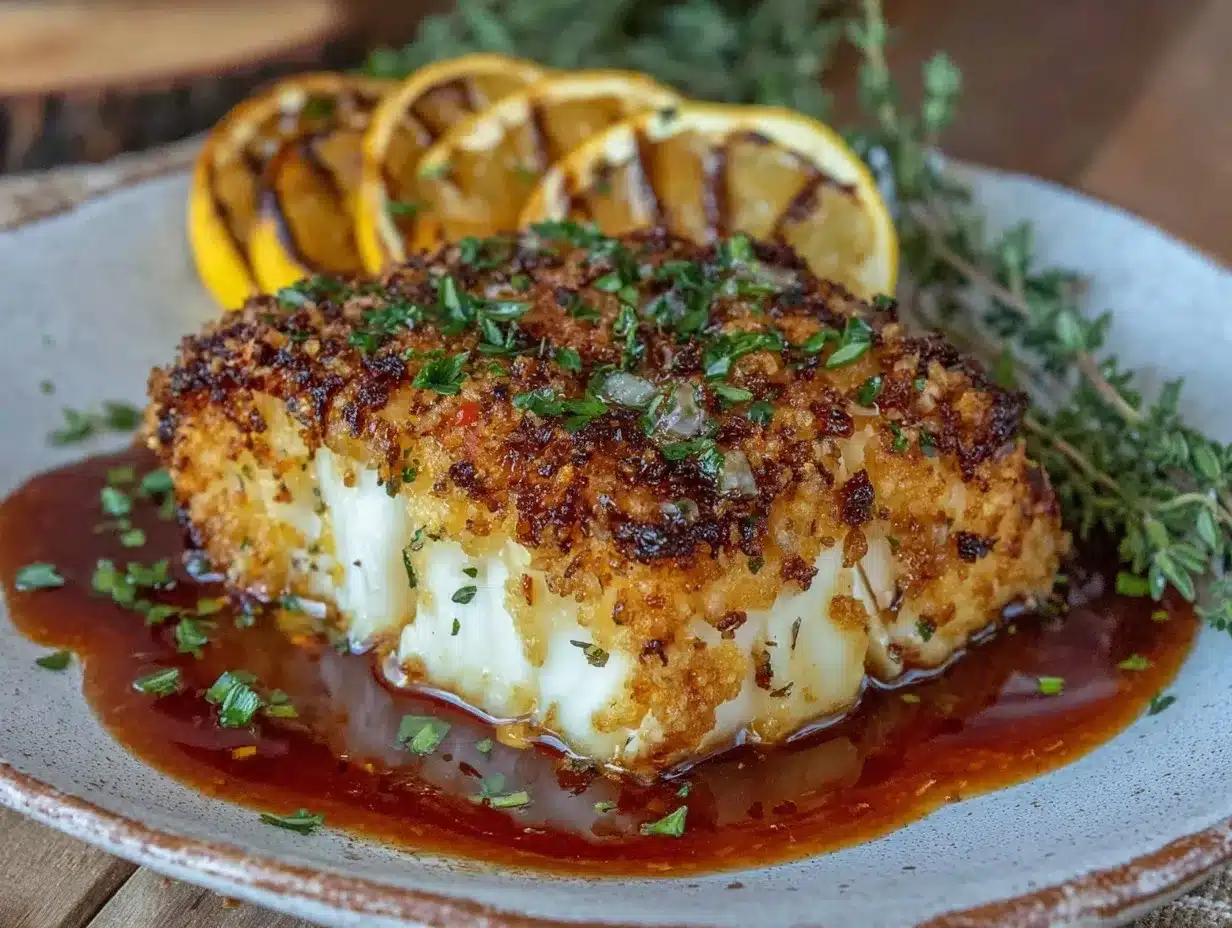
- Prep the Fish: Pat your halibut fillets dry with paper towels—this is key to getting that perfect sear. Season both sides generously with salt and pepper. Let them sit at room temperature for about 10 minutes while you heat the pan.
- Heat the Skillet: Place your skillet over medium-high heat and add 2 tablespoons of olive oil. You want it shimmering but not smoking—this usually takes about 2-3 minutes. A hot pan is essential for a crispy crust.
- Sear the Halibut: Gently place the fillets in the skillet, laying them away from you to avoid splatters. Cook without moving for 3-4 minutes (for 1-inch thick fillets), until the edges look opaque and the bottom is golden brown. Use tongs or a fish spatula to carefully flip each fillet.
- Finish Cooking: After flipping, add 1 tablespoon of butter to the skillet. Tilt the pan slightly and spoon the melted butter over the fish repeatedly for 2-3 minutes. The internal temperature should reach about 130°F (54°C) for moist, flaky halibut.
- Remove the Fish: Transfer the cooked halibut to a warm plate and tent loosely with foil to keep warm while you make the sauce.
- Make the Lemon Butter Sauce: Lower heat to medium, add the remaining 2 tablespoons of butter, minced garlic, and lemon zest to the pan. Sauté for about 30 seconds until fragrant. Pour in the lemon juice and white wine or broth (if using), scraping up any browned bits from the pan. Let the sauce simmer for 1-2 minutes until slightly reduced.
- Finish and Serve: Stir in chopped parsley, then pour the sauce over the halibut fillets. Serve immediately with your favorite sides.
Pro tip: If your fish sticks to the pan, don’t force it! That means it’s not ready to flip. Wait a little longer, and it will release naturally. Also, avoid overcooking by checking the fish every minute after flipping—it should flake easily but still be moist inside.
Cooking Tips & Techniques
Pan-searing fish can seem intimidating, but with a few tried-and-true tips, you’ll get it right every time. First off, drying your halibut is non-negotiable—moisture is the enemy of a good crust. I learned this the hard way after a few sticky attempts.
Use medium-high heat, but be ready to adjust if your pan starts smoking heavily. A well-heated pan is essential, but burnt butter is not what you want. For the butter basting step, tilt the pan and spoon the butter over the fish repeatedly—this helps cook the fish gently and adds flavor.
Another tip: don’t overcrowd the pan. Cooking the fillets in batches if needed keeps the temperature steady and ensures even cooking. I sometimes multitask by prepping the sauce ingredients while the fish cooks, which saves time and keeps things moving smoothly.
Finally, let the fish rest briefly after cooking. This helps redistribute juices, keeping each bite tender and moist. Trust me, it makes a noticeable difference.
Variations & Adaptations
- Herb-Infused Butter: Add fresh thyme or dill to the lemon butter sauce for a fragrant twist.
- Spicy Kick: Toss in a pinch of red pepper flakes or a dash of smoked paprika to the seasoning for some heat.
- Gluten-Free Option: This recipe is naturally gluten-free, but double-check your broth or wine labels just in case.
- Alternate Cooking Methods: Try baking the halibut at 400°F (205°C) for 10-12 minutes and drizzling the lemon butter sauce on top for a lighter approach.
- Personal Variation: I once swapped lemon juice for a mix of lemon and orange for a sweeter citrus profile—surprisingly delicious and fresh!
Serving & Storage Suggestions
This pan-seared halibut with lemon butter tastes best served hot, right off the stove, with the sauce drizzled generously. I love pairing it with roasted asparagus, garlic mashed potatoes, or a simple quinoa salad to keep things balanced and fresh.
For drinks, a crisp white wine like Sauvignon Blanc or a light, citrusy sparkling water complements the dish nicely. Garnish with extra lemon slices or fresh parsley for a pop of color.
If you have leftovers, store them in an airtight container in the refrigerator for up to 2 days. Reheat gently in a low oven (about 275°F/135°C) or on the stovetop with a splash of water to keep the fish moist. The flavors actually deepen after resting, so sometimes it tastes even better the next day!
Nutritional Information & Benefits
A 6-ounce (170g) serving of pan-seared halibut contains roughly 220 calories, 4 grams of fat, and 40 grams of protein, making it a lean and satisfying option. Halibut is rich in omega-3 fatty acids, which support heart health and brain function. The lemon juice adds vitamin C, while butter provides fat-soluble vitamins like A and D.
This recipe is naturally gluten-free and low in carbohydrates, fitting well into paleo and keto diets. Just watch the butter portion if you’re tracking fat intake strictly. For dairy-free needs, swap butter with coconut oil, though the flavor will shift slightly.
From my perspective as someone who values wholesome meals, this dish hits the sweet spot between nutrition and indulgence—comfort food that’s actually good for you.
Conclusion
In short, this pan-seared halibut with lemon butter is a recipe you’ll want to keep in your arsenal. It’s simple to make, uses ingredients you probably already have, and tastes like a five-star meal. I encourage you to tweak the lemon butter sauce or seasonings to suit your tastes—I’ve found that a little personalization makes it all the more special.
I’ve made this dish countless times, and each time it reminds me why I love cooking seafood: it’s quick, nourishing, and seriously satisfying. If you try it, please leave a comment or share how you made it your own—I’d love to hear your tips and stories!
Happy cooking, and here’s to many delicious dinners ahead!
FAQs about Pan-Seared Halibut with Lemon Butter
How do I know when the halibut is cooked perfectly?
Look for opaque edges and a golden crust. The fish should flake easily with a fork but still feel moist inside. An internal temperature of 130°F (54°C) is ideal.
Can I use frozen halibut for this recipe?
Yes, but thaw it completely and pat dry very well to prevent steaming instead of searing.
What can I substitute for fresh lemon juice if I don’t have any?
Lemon juice is key for the bright flavor, but you can use bottled lemon juice in a pinch. Avoid vinegar as it changes the taste.
Is it necessary to use butter in the sauce?
Butter adds richness and smoothness. You can substitute with olive oil or ghee for dairy-free options, though the sauce texture will be slightly different.
Can this recipe be doubled for a larger crowd?
Absolutely! Just make sure not to overcrowd the pan—cook the fish in batches to maintain the sear and even cooking.
Pin This Recipe!

Pan-Seared Halibut with Lemon Butter Sauce

A quick and elegant pan-seared halibut recipe featuring a tangy lemon butter sauce, perfect for weeknight dinners or special occasions.
- Prep Time: 10 minutes
- Cook Time: 15 minutes
- Total Time: 25 minutes
- Yield: 4 servings 1x
- Category: Main Course
- Cuisine: American
Ingredients
- 4 halibut fillets, about 6 ounces each, skinless and patted dry
- Salt and pepper, to season
- 2 tablespoons olive oil
- 3 tablespoons unsalted butter, divided
- Juice of 1 large lemon (about 3 tablespoons)
- Zest of 1 lemon, finely grated
- 2 cloves garlic, minced
- 2 tablespoons fresh parsley, chopped
- 1/4 cup white wine or chicken broth (optional)
Instructions
- Pat halibut fillets dry with paper towels and season both sides generously with salt and pepper. Let sit at room temperature for 10 minutes.
- Heat a 10- or 12-inch skillet over medium-high heat and add 2 tablespoons olive oil. Heat until shimmering but not smoking, about 2-3 minutes.
- Place fillets in the skillet away from you and cook without moving for 3-4 minutes until edges are opaque and bottom is golden brown.
- Carefully flip fillets using tongs or a fish spatula. Add 1 tablespoon butter to the skillet and spoon melted butter over the fish repeatedly for 2-3 minutes until internal temperature reaches 130°F (54°C).
- Transfer cooked halibut to a warm plate and tent loosely with foil.
- Lower heat to medium and add remaining 2 tablespoons butter, minced garlic, and lemon zest to the skillet. Sauté for 30 seconds until fragrant.
- Pour in lemon juice and white wine or broth if using, scraping up browned bits. Simmer for 1-2 minutes until slightly reduced.
- Stir in chopped parsley and pour sauce over halibut fillets. Serve immediately.
Notes
Patting the fish dry is essential for a crispy crust. Use medium-high heat but avoid burning the butter. If fish sticks to the pan, wait longer before flipping. Let fish rest briefly after cooking to redistribute juices. For dairy-free, substitute butter with ghee or coconut oil. Avoid overcrowding the pan; cook in batches if needed.
Nutrition
- Serving Size: 1 fillet (6 ounces)
- Calories: 220
- Sodium: 150
- Fat: 4
- Saturated Fat: 2
- Carbohydrates: 1
- Protein: 40
Keywords: pan-seared halibut, lemon butter sauce, seafood dinner, quick fish recipe, easy dinner, healthy seafood